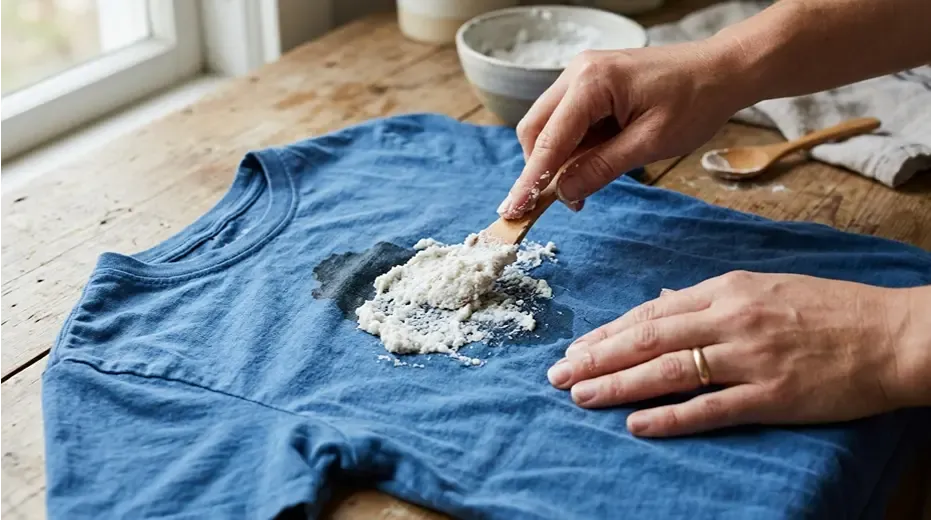

Carpeting adds warmth, insulation, and acoustic comfort to a room, but it acts as a giant terrestrial filter. Every day, footwear, pet paws, and airborne particles deposit fine grit down into the base of the pile. When accidental drink spills, muddy tracks, or dark food splatters hit that matrix, the stain doesn't just rest on the surface—it bonds with embedded dust and wicks down toward the backing.
Most homeowners react to carpet spills by aggressively scrubbing the fibers with foaming detergents, inadvertently worsening the problem. Knowing the mechanics of carpet pile and surfactant rinses is essential to lifting stubborn marks without distorting fiber texture.
1. The Physics of the Pile: Why Aggressive Scrubbing Destroys Carpets
The immediate reaction to a dark spot on a light carpet is to scrub with a stiff brush or rag. Unfortunately, this creates two permanent problems:
- Fiber Fraying: Modern synthetic and wool carpets are spun into twisted yarn bundles. Scrubbing untwists these bundles, creating permanent fuzzing ("blooming") that looks like a worn spot even after the stain is gone.
- Wicking Action: Vigorously pressing soapy liquid down pushes pigment into the secondary backing and carpet pad. As the carpet air-dries, the moisture evaporates upward, dragging the trapped stain back to the surface tips—a phenomenon known as wicking.
Always blot from the outer edge inward using a clean, dry white cotton towel, applying downward body weight rather than lateral friction.
2. Dealing with Set-In Discoloration: Target the Residue
Many lingering dark patches are not original stains, but sticky detergent residue left behind by overzealous cleaning sprays. Surfactants that aren't properly extracted attract airborne dust, turning into dark, sticky traffic patches within weeks.
To release deep marks cleanly:
- Extract loose solids: Scrape away dried crusts using the blunt edge of a spoon before introducing moisture.
- Apply a targeted spot treatment: Use a balanced solution of warm water, a tiny drop of clear liquid dish soap (to break surface tension), and a splash of distilled white vinegar (to stabilize fiber pH and prevent browning).
- Flush and extract: Instead of saturating the area, mist sparingly. For tailored extraction techniques on set-in coffee, sauce, or pet stains, follow this definitive guide on how to remove stains from carpet to prevent wicking and preserve pile texture.
- Weighted drying: Place a clean, dry folded towel over the damp area and weigh it down with a heavy book overnight to absorb moisture from deep within the backing.
3. High-Traffic Lane Rejuvenation
The walkways between doorways and living room seating areas often look dull and flat even when there are no individual liquid stains. This discoloration is caused by abrasive grit cutting into carpet strands and flattening pile direction.
- Dual-Direction Vacuuming: Vacuum traffic lanes slowly—first north-to-south, then east-to-west. This lifts the pile and pulls dirt free from both sides of the twist.
- Baking Soda Deodorizing Lift: Lightly dust lanes with baking soda 30 minutes before vacuuming to loosen static bonds holding fine grit to synthetic strands.
Practical Systems for a Cleaner Home
Home maintenance doesn't require industrial equipment or costly chemical cleansers. Protecting your carpets, upholstery, and daily living spaces comes down to applying simple, low-moisture cleaning principles and acting quickly before pigments bond with domestic fibers.
For practical, dependable tips covering fabric care, appliance maintenance, and clever DIY problem-solving, turn to the tutorials on Easy Daily Guides to keep your home looking fresh, functional, and clean.


















Sign in to leave a comment.