

Installing a hot tub requires more than choosing a suitable location and connecting it to a power source. Because hot tubs combine water, heating elements, pumps, and electrical controls, the installation must meet specific electrical and safety requirements. The home's electrical system must also be capable of supporting the additional load. Proper hot tub electrical installation involves selecting the right circuit, installing suitable wiring, providing the required protective devices, and following applicable electrical codes. Planning these details before installation helps homeowners avoid unnecessary modifications and ensures that the equipment is connected safely.
What Electrical Supply Does a Hot Tub Need?
A hot tub's electrical requirements depend on its size, heating system, pumps, and manufacturer specifications. Some smaller models operate on a 120-volt supply, while many larger models require a 240-volt circuit. The required amperage and circuit configuration also vary by model.
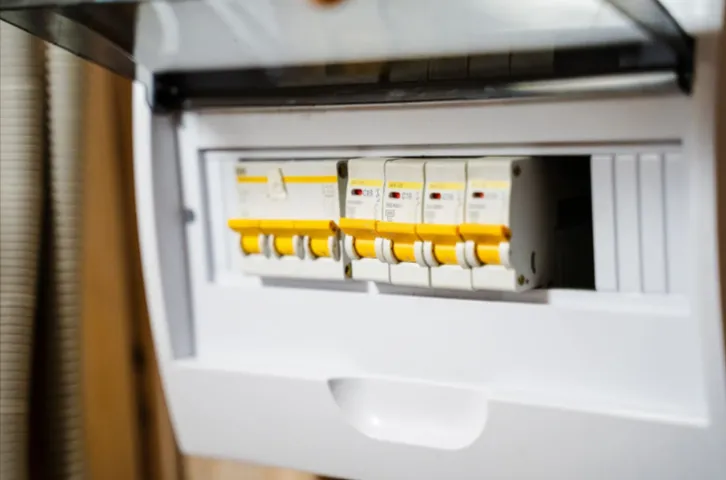
Before installation, an electrician should review the manufacturer's instructions and assess the home's electrical panel. Some hot tubs require a dedicated circuit, and certain homes may need additional wiring or panel modifications to accommodate the equipment safely.
Why Is GFCI Protection Important?
Ground-fault circuit interrupter (GFCI) protection helps reduce the risk of electric shock by detecting certain electrical imbalances and interrupting the power supply. Appropriate GFCI protection is an important safety requirement for hot tub installations.
Grounding and bonding are equally important because they help manage electrical faults and reduce shock hazards. These components must be installed correctly according to the equipment requirements and applicable electrical codes. A qualified electrician can verify that the protective devices and wiring are suitable for the installation.
Where Should Hot Tub Wiring Be Installed?
Hot tub wiring must be appropriate for outdoor conditions and protected against moisture and physical damage. The electrician must select suitable wiring methods and conductor sizes based on the equipment's electrical load and the installation environment.
The placement of disconnecting equipment also matters. Applicable electrical codes establish requirements for the location of disconnects and other electrical components around hot tubs. Planning these details in advance helps ensure convenient access for maintenance while maintaining the required safety clearances.
Do You Need a Permit for Hot Tub Electrical Installation?
Electrical permits and inspections may be required for hot tub wiring work in Washington, depending on the scope of the project and the applicable local requirements. Homeowners should confirm the requirements before work begins.
A qualified electrician can help determine whether a permit is necessary and ensure that the installation follows the relevant electrical codes and manufacturer instructions. Any required inspection should be completed before the hot tub is put into service.
How Can an Electrician Help With Hot Tub Installation in Olympia, WA?
Professional electrical work helps address the technical requirements involved in connecting a hot tub to a home's power supply. An electrician can assess the existing electrical panel, determine the appropriate circuit, install the required wiring and protection, and identify any modifications needed before installation. Homeowners searching for a hot tub electrician in Olympia WA should look for a qualified professional familiar with residential electrical systems and outdoor equipment. Shocking Difference LLC offers electrical services for hot tubs and saunas, helping homeowners address the electrical work required for their installations.
Conclusion
Connecting a hot tub safely requires the right electrical supply, suitable wiring, GFCI protection, proper grounding and bonding, and compliance with applicable codes. The specific requirements depend on the hot tub model and the home's existing electrical system, so the installation should be planned around both. Professional hot tub electrical installation helps ensure these essential details are addressed before the equipment is used. Homeowners planning a hot tub or sauna can visit Shocking Difference's hot tub and sauna services page to learn more about the company's electrical services.





















Sign in to leave a comment.