In today’s modernisation-driven world, industries like food processing, pharmaceuticals, electronics, packaging, textiles, and various forms of automation have raised the bar for product purity, safety, and operational efficiency. Among the crucial elements that enable seamless, contamination-free handling, the Silicone Conveyor Belt stands out as an industry game-changer. Whether your operation demands heat resistance, chemical neutrality, non-stick surfaces, or ultra-clean transport, selecting the right silicone conveyor belt can unlock new levels of consistency, productivity, and regulatory compliance.

However, the vast array of belt types, profiles, thicknesses, surface patterns, and silicone formulations available can be both a blessing and a challenge. A poorly chosen belt may lead to premature failure, food contamination, higher energy costs, or line stoppages—directly impacting product quality and profit margins. Fortunately, with a thoughtful approach and a knowledgeable manufacturing partner such as Shanghai Puteken Transmission System Co., Ltd., you can maximise the many benefits of a silicone conveyor belt while avoiding unnecessary risks.
What Is a Silicone Conveyor Belt? Why Is It Important?
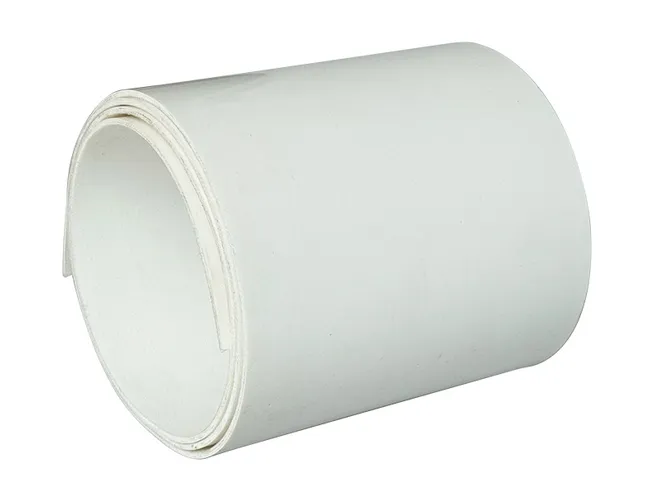
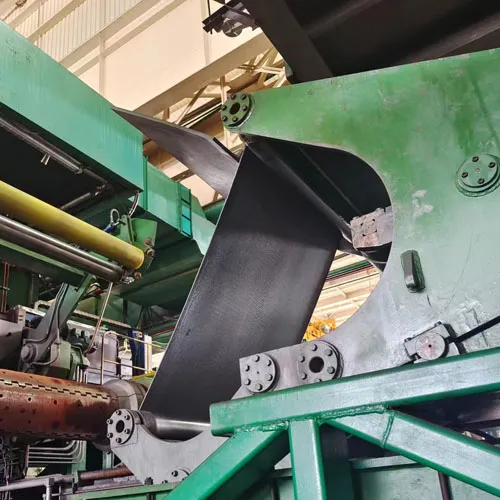
A Silicone Conveyor Belt is a type of industrial belt made from silicone rubber, a synthetic elastomer prized for its unique combination of flexibility, stability, and chemical resilience. Unlike traditional rubber or PVC conveyor belts, silicone belts deliver a host of advantages, especially when stringent standards for cleanliness, temperature, and product handling are essential.
Key Properties of a Silicone Conveyor Belt:
- High Temperature Resistance: Silicone belts withstand temperatures from as low as -70°C up to +260°C (+315°C for some high-performance grades), making them ideal for baking, curing, sterilizing, or cooling.
- Non-Stick Surface: The material’s inherent release properties prevent sticking even with tacky products like dough, caramel, adhesives, or pharmaceuticals.
- Hygiene and Purity: Silicone is non-toxic, odourless, and meets many FDA and EU food-grade standards.
- Chemical Stability: Excellent resistance against oils, fats, acids, alkalis, and solvents.
- Low Surface Energy: Minimises product residue and simplifies cleaning.
- Flexibility and Tear Resistance: Withstands repeated flexing and mechanical stress.
Given these features, it’s little surprise that the silicone conveyor belt has become the belt of choice for countless industries requiring strict material handling performance. But, as with any industrial asset, success starts with proper belt selection.
Where Are Silicone Conveyor Belts Used?
The versatility of the silicone conveyor belt means it supports diverse and demanding sectors:

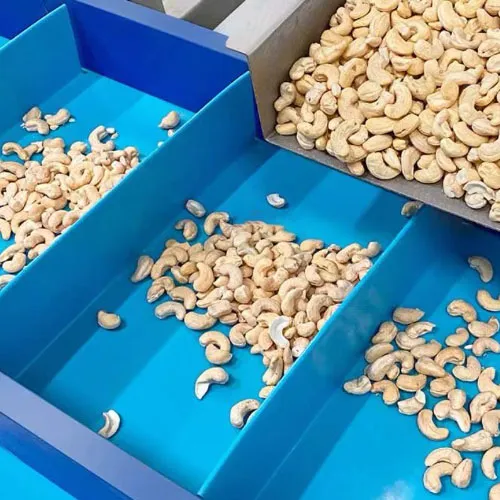
- Food Processing: Baking, freezing, conveying dough, chocolate, sticky sweets, or high-fat foods.
- Pharmaceuticals: Clean transfer of capsules, tablets, or medical devices, plus sterilization tunnels.
- Electronics Manufacturing: Chip assembly, SMT lines, and cleanroom applications.
- Textiles: High-temperature printing, drying, or fabric handling.
- Packaging Industry: Packaging film conveyance, shrink tunnels, and hot-melt gluing.
- Automotive and Aerospace: Silicone’s heat stability is ideal for tire curing, component painting, or battery production.
- General Industry: Printing, labeling, laminating, thermoplastic welding, and more.
Shanghai Puteken Transmission System Co., Ltd. engineers its silicone conveyor belt solutions to meet all these application needs and more.
Core Factors When Selecting the Right Silicone Conveyor Belt
Given the critical importance of precision and reliability in today’s production lines, careful selection of your silicone conveyor belt is essential. Here are the leading criteria:
1. Temperature Range and Heat Resistance
Not all silicone belts are created equal; verify the continuous and peak temperature ranges for your application, accounting for both direct product contact and environmental exposure. For example:
- Bakery ovens may need belts rated at 220–260°C
- Cryogenic conveyors require flexibility down to -70°C
2. Surface Profile and Texture
- Smooth Belts: Suited for delicate handling or applications needing easy release (e.g., pastry dough, films).
- Textured/Embossed Belts: Enhance product grip, air flow, or fluid drainage. Useful in wet or inclined transport.
- Perforated Belts: Allow airflow for drying, baking, or curing applications.
3. Thickness and Ply Construction
- Thin belts (typically 0.5–3mm) offer flexibility and rapid heat transfer.
- Thicker, multi-ply belts (up to 10 mm or more) provide extra strength, support heaviest loads, or withstand frequent mechanical stress.
4. Reinforcement and Tensile Properties
- Fiberglass Reinforced: Superior dimensional stability and resistance against stretching—ideal in long or high-speed systems.
- Polyester Fabric Layer: Adds tear resistance and improved tracking.
- Specialty Cords (Kevlar, Steel): Needed for unique or ultra-heavy-duty environments.
5. Chemical and Environmental Resistance
Assess exposure to oils, acids, foodstuffs, or cleaning agents. Some custom-blend silicone conveyor belts offer enhanced chemical or stain resistance. Be sure to match belt composition to your environment—Shanghai Puteken can recommend the right formula.
6. Food Grade, FDA, or EU Compliance
In regulated industries, ensure your silicone conveyor belt carries proper documentation: FDA/EC certifications, migration test data, and tracking records are essential.
7. Static and Electrical Properties
In electronics, semiconductor, or powder-handling, antistatic or conductive silicone conveyor belts prevent ESD buildup and product damage.
Assessing Your Industry Requirements
Every sector—and every factory—demands nuanced belt performance. Ask these questions to guide your selection:
- What is the weight, size, and texture of products conveyed?
- What range of environmental temperatures will the belt face?
- Will the belt be washed down, steam-cleaned, or exposed to caustic cleaners?
- Is food-grade or cleanroom-level hygiene required?
- Is slippage or tracking a concern, and will the belt encounter oils, sugars, or adhesives?
- How critical is the belt’s release property (e.g., for sticky bakery goods)?
A clear operational profile makes it easier for the Shanghai Puteken technical team to match you with the best silicone conveyor belt for outstanding, long-term performance.
Also Read: How to Choose the Right Silicone Conveyor Belt for Your Industry!
Popular Types of Silicone Conveyor Belts
1. Fabric-Reinforced Silicone Belts
Multi-layered with a fiberglass or special-polymer fabric core, providing enhanced strength and minimal stretch, often used in high-speed or heavy-duty applications.
2. Solid Silicone Belts
Single-ply or thicker slabs, focus on maximum non-stick and heat resistance, used for direct food or pharmaceutical contact.
3. Silicone-Coated Belts
A standard conveyor substrate coated with a silicone top layer; brings silicone’s properties to belts that need to resist high temp but maintain flexibility or cost-effectiveness.
4. Profiled or Embossed Belts
Designed for specific handling challenges: ribbed, diamond, rough-top, or cross-profile projections.
5. Perforated, Mesh, or Screen Belts
For air or liquid transfer—commonly used in drying, dehydration, and bakery tunnels.
Shanghai Puteken customizes all these belt types according to your machine, industry norms, and regulatory guidelines.
Installation and Maintenance Guidance
An exceptional silicone conveyor belt only delivers peak performance if installed and maintained correctly.
1. Proper Tensioning
- Too tight: Belt wears out, equipment suffers, and motor energy costs rise.
- Too loose: Leads to slippage, tracking issues, and inconsistent movement.
2. Correct Tracking
- Use crowned pulleys or tracking guides as required.
- Frequently inspect belt position during the commissioning and after maintenance.
3. Sanitation Protocols
- Silicone belts are easy to clean, but choose compatible detergents for your application. Avoid cuts or groove damage during scrubbing.
4. Routine Inspection
-Schedule regular checks for surface wear, edge cracking, or contamination—especially in harsh environments.
5. Join and Splice Quality
-Factory-made vulcanized joints or custom finger splices outlast mechanical fasteners, especially on high-temperature, food-grade lines.
Shanghai Puteken Transmission System Co., Ltd. provides full installation support, technical manuals, and customized maintenance schedules for all silicone conveyor belts supplied.
Avoiding Common Mistakes When Choosing a Silicone Conveyor Belt
- Ignoring Actual Temperature Peaks: Always select a belt rated higher than the system’s peak operating heat.
- Mismatched Belt Profile or Texture: Wrong top surface causes either product slip or sticking—specify your main product type carefully.
- Overlooking Certification: Lack of FDA or EU compliance can cause expensive recalls in regulated sectors.
- Forgettable Maintenance Planning: Even premium silicone belts degrade if neglected—set up a proactive system with your supplier.
Benefits of Shanghai Puteken as Your Silicone Conveyor Belt Partner
With Shanghai Puteken Transmission System Co., Ltd., you gain:

- Unmatched Application Expertise: Decades serving food, pharma, electronics, and packaging leaders globally.
- Full Customization: Every possible size, profile, reinforcement, grade, and documentation.
- Rapid Delivery, Reliable Support: Asian and international shipping with trusted after-sales service.
- Quality Assurance: Rigorous in-house and third-party testing, ISO, and regulatory certifications.
Your Path to Trouble-Free, High-Performance Conveying
The right Silicone Conveyor Belt does far more than move products—it is central to quality, regulatory confidence, and operational uptime. The diversity and complexity of today’s industrial environments demand a careful, expert approach to belt selection. Whether you operate in the food sector, electronics, pharma, or any industry where non-stick, heat-resistant, or hygiene-critical transport is key, make your investment count—partner with the specialists.
Frequently Asked Questions (FAQ)
Q1: Can a silicone conveyor belt be used for both high and low temperature applications?
A: Yes, silicone belts excel at both temperature extremes (typically -70°C to +260°C, sometimes higher), provided you select the appropriate formulation.
Q2: Are all silicone conveyor belts food safe?
A: No. Only belts with certified food-grade silicone and appropriate reinforcement meet FDA, EU, or other regulatory requirements.
Q3: How do I clean a silicone conveyor belt?
A: Use non-abrasive, manufacturer-approved detergents, avoid harsh solvents or sharp tools, and rinse thoroughly.
Q4: What is the maximum width and length for a silicone conveyor belt?
A: Shanghai Puteken produces belts up to several meters wide and virtually any custom length—ask for specifics per your equipment.
Q5: Can silicone conveyor belts be used in oily or chemical environments?
A: Yes, silicone’s chemical inertness is one of its top benefits, but always confirm resistance to your specific solvents or oils.
Q6: How long does a typical silicone conveyor belt last?
A: Lifespan varies widely by use but generally exceeds most other belt types in harsh, high-temp, or cleanroom settings. Regular checks and scheduled maintenance maximize life.
Q7: What’s the difference between a silicone-coated and solid silicone belt?
A: Coated belts combine a base layer (often polyester) for strength and top silicone for release/temperature; solid belts are made entirely of silicone for maximum purity and flexibility.
Q8: Is static electricity a concern with silicone conveyor belts?
A: Not usually, but antistatic or conductive grades are available if needed—such as in electronics or powder handling.
Q9: Can I order custom profiles (ribbed, perforated, etc.)?
A: Absolutely; custom surface shapes, holes, or even guides/cleats can be added at the factory.






















Sign in to leave a comment.