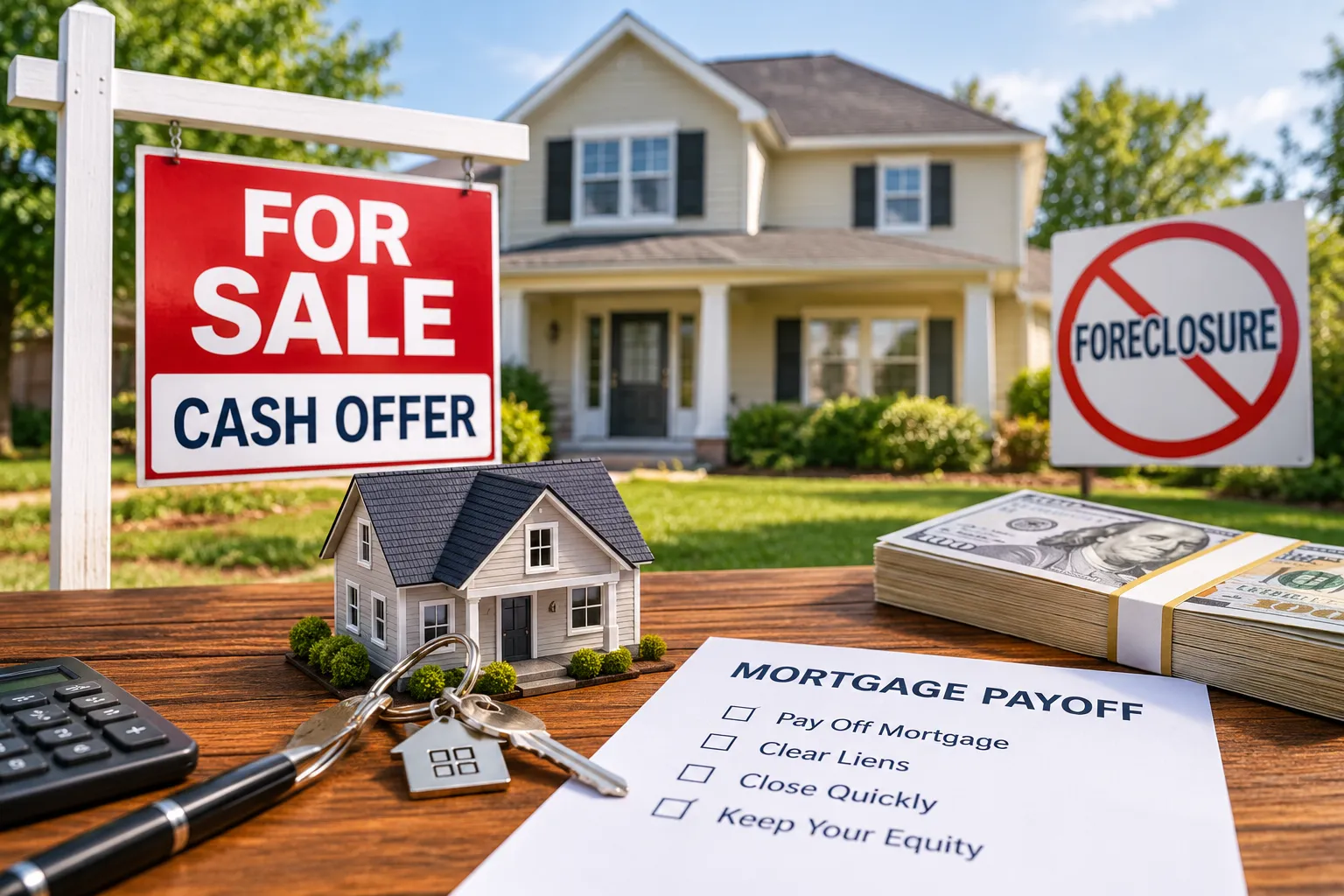

Falling behind on mortgage payments can create significant financial stress, especially when the lender begins sending overdue payment notices. If missed payments continue, homeowners may face foreclosure proceedings that put their property and accumulated equity at risk. Acting early can provide more options and help homeowners make informed decisions about their next steps.
One option worth considering is selling the house for cash before foreclosure proceedings begin. Depending on the property's value, outstanding mortgage balance, and local requirements, a timely sale may allow the homeowner to repay the mortgage and other obligations while potentially retaining some proceeds.
1. Understand Your Mortgage Situation
Before deciding to sell, review your current mortgage status. Determine how many payments are overdue, whether late fees have been added, and whether the lender has issued a formal default notice.
Contact your mortgage servicer and request an updated payoff statement. This document estimates the amount required to pay off the loan by a specific date, including applicable interest and fees.
Understanding the outstanding balance will help you calculate whether selling the property could cover the debt. It is also important to check whether other liens, unpaid property taxes, or homeowners' association dues could affect the transaction.
2. Consider Selling Your House for Cash
A traditional home sale can involve repairs, cleaning, staging, property showings, and negotiations. If you are facing financial pressure, these steps may take time and require money you do not have available.
A cash sale may offer a more direct alternative. Cash buyers generally do not depend on traditional mortgage financing, which can reduce some financing-related delays. Some buyers may also purchase homes in their current condition, helping sellers avoid expensive repairs before closing.
Homeowners can explore cash home-selling options to learn more about alternatives to a traditional listing.
However, a cash sale is not automatically the best choice. Compare offers with the property's estimated market value and consider the mortgage payoff, selling expenses, and any other obligations before accepting a deal.
3. Act Before the Situation Becomes More Complicated
Timing matters when a homeowner is struggling with mortgage payments. Selling before formal foreclosure proceedings begin may provide more flexibility, but the available time depends on the lender's actions and applicable state law.
Contact your mortgage servicer as soon as possible to understand the status of your loan and any deadlines. Ask for the current payoff amount and confirm whether the lender has specific requirements for completing a sale.
If you have received a default notice or other legal documents, read them carefully and seek advice from a qualified housing counselor or real estate attorney. Do not ignore notices while trying to find a buyer.
4. Calculate How Much Money You Could Receive
Before accepting a cash offer, estimate your potential proceeds after paying the mortgage and transaction expenses.
For example, suppose a buyer offers $250,000 for your house. Your outstanding mortgage payoff is $190,000, and estimated selling and closing expenses total $8,000.
Your estimated proceeds would be:
- Cash offer: $250,000
- Mortgage payoff: $190,000
- Estimated selling expenses: $8,000
- Estimated amount remaining: $52,000
This is a simplified example. Actual proceeds may differ because of accrued interest, lender fees, property taxes, other liens, and final closing costs.
If the expected sale price is lower than the amount needed to repay the mortgage and other obligations, you may need to discuss alternatives with your lender and a qualified professional.
5. Prepare the Property and Necessary Documents
One potential advantage of selling to a cash buyer is that some buyers are willing to purchase properties that need repairs. Nevertheless, keeping the home accessible for an inspection and gathering the necessary paperwork can help prevent avoidable delays.
Common documents include the property deed, mortgage statement, identification, property tax records, and information about any additional liens. You should also be prepared to disclose known property issues as required by applicable law.
Ask the buyer which documents are needed and have a closing professional review the title. Resolving ownership or documentation issues early can help keep the transaction moving.
6. Compare Offers and Avoid High-Pressure Tactics
Financial difficulties can make a quick offer seem attractive, but homeowners should still compare their options. Request written offers and review the purchase price, closing date, contingencies, fees, and any conditions attached to the transaction.
Be cautious of buyers who promise guaranteed results without reviewing the property, demand unusual upfront payments, or pressure you to sign immediately. Independent legal advice can be especially valuable when a foreclosure deadline is approaching.
If time permits, compare a cash offer with the likely net proceeds from a traditional listing. The goal is to understand the financial outcome, not simply to accept the fastest offer.
7. Complete the Sale and Confirm the Mortgage Payoff
Once you accept an offer, coordinate with the buyer, mortgage servicer, and closing professional. The closing process should establish how the mortgage will be paid and how ownership will be transferred.
Ask for confirmation that the lender's payoff amount is current and that the closing arrangements account for any additional liens or required expenses. Keep copies of the final settlement statement and relevant payment records.
A pending sale does not automatically stop foreclosure activity. If formal proceedings have started or a deadline is close, ask the mortgage servicer and a qualified attorney whether any additional steps are needed to protect your interests. Do not assume that signing a purchase
agreement alone pauses the process.
Final Thoughts
Selling a house fast for cash before foreclosure proceedings begin may help homeowners address mortgage debt and potentially preserve some home equity. The most important steps are to understand the loan balance, contact the mortgage servicer early, compare realistic offers, and make sure the sale can close before critical deadlines.
Although a cash sale may simplify some parts of the transaction, every situation is different. Reviewing the numbers carefully and seeking qualified guidance can help you choose an option that fits your financial circumstances and protects your interests.

























Sign in to leave a comment.