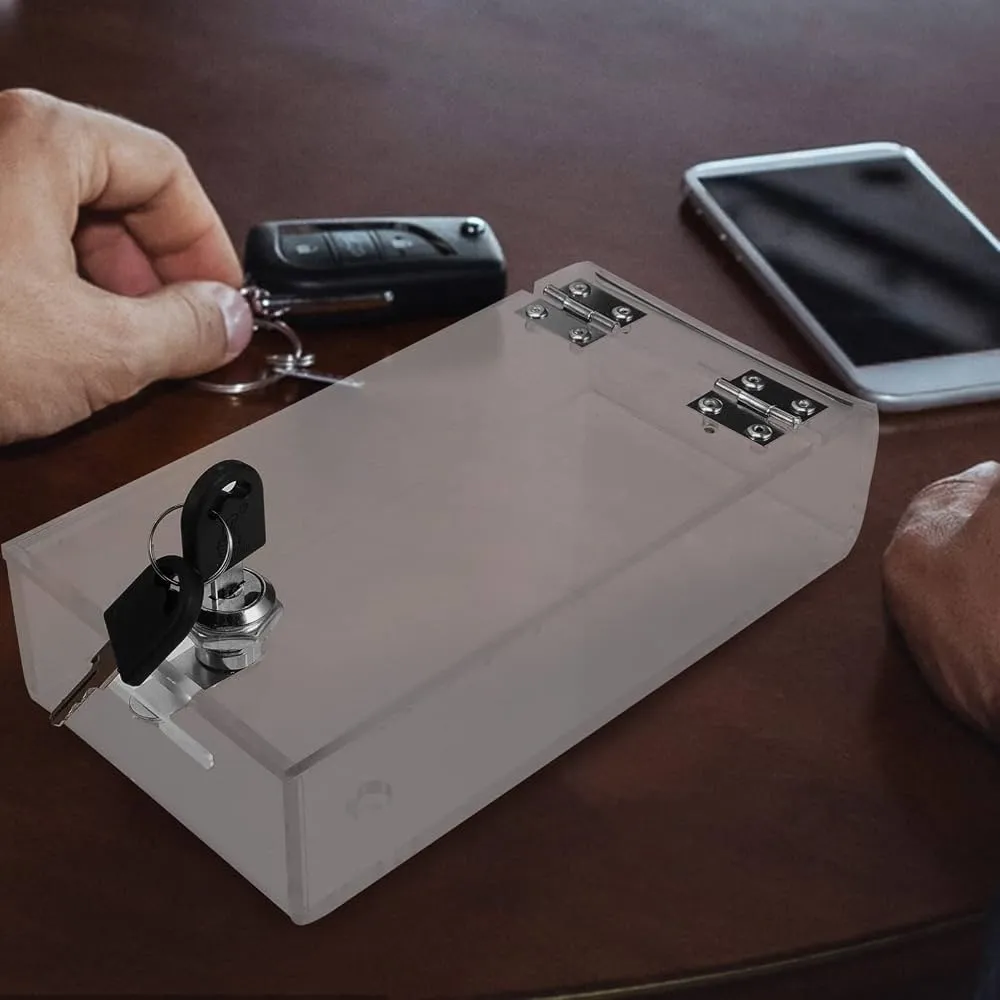

Phones have a way of following family members everywhere. They appear at the dinner table, beside homework, during conversations, and next to the bed at night. Even when nobody intends to spend much time on a device, having it within reach makes checking messages or notifications easy.
A family phone parking station creates one predictable place where devices can be put aside during selected parts of the day. It does not have to mean giving up phones for hours or introducing strict rules throughout the home. The most useful setup is simple: decide what problem you want to solve, choose a convenient location, give devices clear spaces, and establish times when the family uses the station.
Decide What You Want the Phone Station to Solve
Before choosing a location or storage method, decide why your family needs a phone parking station.
Different households may have different problems.
You might want to:
- Keep phones away from family meals
- Reduce distractions during homework
- Limit late-night scrolling
- Make family activities less interrupted
- Keep multiple devices organized in one location
Start with the problem that matters most.
For example, if phones regularly interrupt dinner, the station can initially be used only during meals. There is no need to create rules for homework, bedtime, and every other part of the day at the same time. A specific purpose makes the routine easier for everyone to understand.
Choose a Convenient Location
The location of the phone parking station can determine whether the family actually uses it. Choose a place that is easy to reach during the routines when phones need to be parked but far enough away that devices are not constantly visible or within arm's reach.
Depending on the home, possible locations could include:
- An entry area
- A hallway
- A shared family space
- A designated shelf or counter
- An area outside bedrooms
Think about the problem you identified earlier.
If the goal is reducing bedtime phone use, a location outside sleeping areas may make sense. If the main problem is dinner interruptions, choose somewhere convenient enough that family members can park devices before sitting down without keeping them beside the dining table. Avoid locations where phones could easily be knocked over, misplaced, or confused with other household items.
Decide Which Devices Belong There
A phone parking station does not automatically need to hold every electronic device in the house. Decide what belongs there based on the distraction you are trying to reduce. For many families, smartphones will be the main focus. In some households, tablets or other personal devices may also need to be included during particular activities. The rule should remain practical.
If a tablet is being used for homework, for example, putting it away during homework time would defeat the purpose. On the other hand, a tablet used mainly for entertainment might follow the same routine as a phone during family meals. Define what the station is for instead of creating a broad rule covering every screen.
Give Each Phone Its Own Spot
Putting several phones in one pile may technically get them off the table, but it can create another problem when family members need to retrieve their devices. A better setup gives each phone a predictable position.
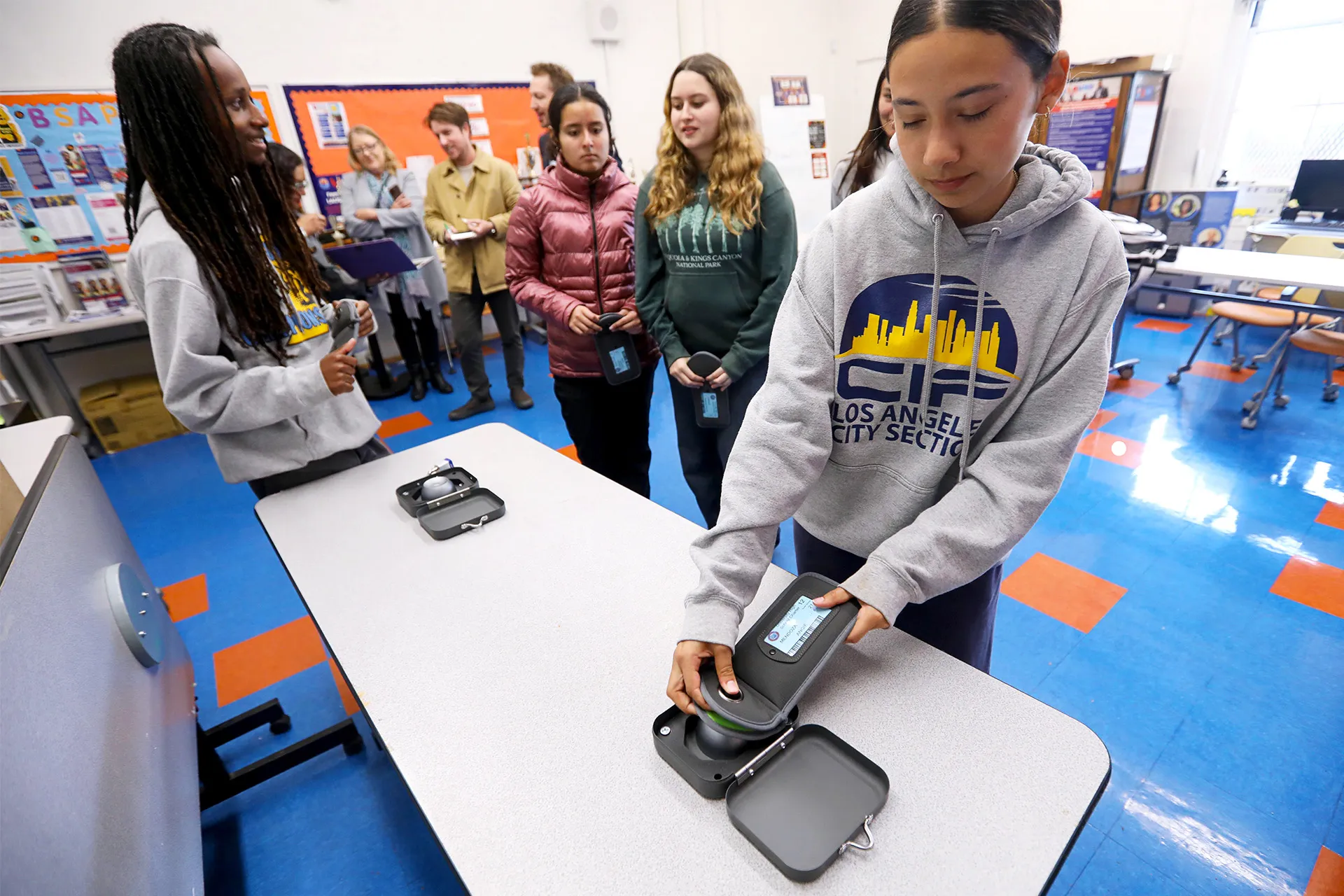
In a household with several devices, an organized home phone storage setup can help keep individual phones separated rather than having everyone place devices together on a counter.
The storage arrangement should make it easy for each family member to identify their own phone. Also consider the size and number of devices. A setup that works for two phones may become inconvenient for a larger household. The goal is to make parking and retrieving a phone simple enough that the storage process does not become a reason to avoid the routine.
Decide When Phones Should Be Parked
A family phone parking station does not need to operate as a 24-hour restriction. It can be connected to specific activities.
For example, phones might be parked:
- When dinner begins
- At the start of a homework focus period
- During a family game or activity
- When the bedtime routine begins
- During another agreed phone-free period
Choose triggers that are easy to recognize.
“Use the station more often” is vague. “Phones go to the station when dinner starts” gives everyone a clear action tied to an existing routine. Specific triggers also reduce the need for parents to decide repeatedly when a phone should be put away.
Create a Simple Parking Routine
Once the location and timing are established, keep the process straightforward.
A family routine might look like this:
- The agreed phone-free period begins.
- Family members place their devices in their assigned spaces.
- Phones remain there during the activity.
- Necessary exceptions follow the family's agreed rules.
- Everyone retrieves their devices when the phone-free period ends.
The routine should take very little time. If parking a phone requires several steps or creates confusion every time, family members are less likely to use the system consistently. The easier the routine becomes, the less attention it requires.
Decide Whether Charging Is Part of the Setup
A phone parking station and a charging station are not necessarily the same thing. Some families may want both functions in one location, especially if devices are parked overnight. Others may simply need somewhere to place phones for 30 minutes during dinner. If charging is included, think about outlet access and cable organization. Multiple loose charging cables can quickly make a small station cluttered.
Also consider whether every device uses the same charging connection. Do not add charging simply because it seems useful. If it makes the station harder to organize, keeping charging and phone parking separate may be simpler.
Make the Routine Apply to Adults Too
A family phone routine can be difficult to maintain if children are expected to put their devices away while adults continue scrolling through theirs. For shared activities, parents can participate in the same routine when practical. If dinner is phone-free, for example, adults can park their personal phones too.
This helps position the station as a household routine rather than a place where children's devices are taken away. Adults may sometimes have legitimate reasons to keep a phone available, such as work responsibilities or an expected urgent call. Those situations can be treated as exceptions rather than quietly becoming the normal rule.
Plan for Necessary Phone Access
Putting phones aside should not prevent important communication.
Families may need to account for:
- Emergencies
- Caregiving responsibilities
- School communication
- Work-related calls
- Transportation coordination
Discuss these situations in advance. If someone is expecting an important call, the family can decide how that will be handled before the phone-free period begins. Clear exceptions make the routine more realistic. They also help distinguish necessary access from checking a device simply because it is nearby.
Avoid Making the Station Feel Like Punishment
A phone parking station works best when it becomes part of the household routine rather than a threat used during disagreements. Explain why the family is using it. The purpose might be to make dinner more conversational, help homework happen with fewer interruptions, or make it easier to disconnect before bed. Also make it clear when phones become available again. When family members understand that devices are being temporarily parked for a specific reason, the routine can feel very different from having a phone unexpectedly confiscated.
Adjust the Setup if Nobody Is Using It
If the station is constantly ignored, look at the setup before introducing stricter rules. Ask practical questions. Is the location inconvenient? Is there enough room for everyone's devices? Is the phone-free period too broad? Do family members know exactly when they should use the station? Are adults following the same routine?
The physical setup may also need adjustment as the household changes or new devices are added. A phone parking station should make the desired behavior easier. If using it feels unnecessarily complicated, simplify the process.
Final Thoughts
A useful family phone parking station does not require a complicated system. Start by identifying the family routine you want to protect. Choose a convenient location, decide which devices belong there, and give each phone a predictable space. Then connect the station to clear moments such as dinner, homework, family activities, or bedtime.
Parents should also participate when the rule applies to shared family time and allow sensible exceptions for important communication. The goal is not to remove technology from the home. It is to give the family an easy way to decide when phones are useful and when putting them aside can make everyday routines work better.
Frequently Asked Questions
What is a family phone parking station?
It is a designated place in the home where family members temporarily put their phones during agreed activities or times, such as meals, homework, or bedtime routines.
Where is the best place to set up a phone parking station?
Choose an accessible shared location that supports the routine you want to improve. For bedtime, that may mean somewhere outside bedrooms. For meals, it could be a convenient location away from the dining table.
Should parents put their phones in the station too?
When the rule applies to shared family time, having adults participate can make the routine more consistent. Reasonable work, caregiving, or emergency exceptions may still be necessary.
Should a phone parking station include chargers?
Only if charging supports the way your family will use the station. A short phone-free period may not require charging, while an overnight parking routine might benefit from it.
What if someone needs their phone during a phone-free period?
Create reasonable exceptions for emergencies and other necessary communication. The purpose of the station is to reduce unnecessary interruptions, not prevent important phone access.


























Sign in to leave a comment.