

Have you noticed a small lump in your palm that seems to make your fingers feel tighter over time? Dupuytren’s nodules can be concerning, especially when hand stiffness begins to affect everyday activities such as gripping a cup, typing, opening jars, or placing your palm flat on a table.
If you are wondering how to soften Dupuytren's nodules, it is important to understand what causes them and which home-care approaches may help you manage stiffness and maintain hand comfort. While gentle massage, stretching, and a consistent hand-care routine may support mobility, they have not been proven to dissolve or reverse Dupuytren’s nodules.
With the right information and professional guidance, you can make more informed decisions about caring for your hands.
What Are Dupuytren's Nodules?
Dupuytren’s contracture is a condition that affects the connective tissue beneath the skin of the palm, known as the palmar fascia. It can cause thickened areas called nodules and, in some cases, cords that gradually pull one or more fingers toward the palm.
Common Signs to Recognize
Early signs may include:
- A firm lump or thickened area in the palm.
- Tightness around the palm or base of a finger.
- Difficulty placing the hand completely flat on a table.
- Gradual bending of the ring or little finger.
- Changes in hand movement that interfere with daily activities.
Dupuytren’s nodules may not be painful, and their progression varies from person to person. Not every nodule develops into a contracture, so monitoring changes is important.
How to Soften Dupuytren's Nodules at Home
Many people explore non-surgical ways to care for their hands before considering medical procedures. Although home remedies cannot reliably soften the underlying nodules or stop the condition from progressing, certain gentle practices may help manage stiffness and support comfortable movement.
1. Try Gentle Hand Massage
Gentle massage may help relax the surrounding hand muscles and provide temporary comfort. Use light pressure on the palm and nearby fingers rather than pressing forcefully on a firm nodule.
Move slowly and stop if you experience pain, tenderness, swelling, or irritation. Avoid aggressive rubbing or attempting to break down the lump manually, as this will not remove the thickened connective tissue.
2. Practice Comfortable Finger Movements
Gentle finger movements can help you maintain the range of motion you currently have. Depending on your comfort and your clinician’s advice, you might slowly spread your fingers, bend and straighten them within a comfortable range, or gently move your wrist.
Never force a finger straight or stretch against strong resistance. If movement becomes painful or increasingly restricted, ask a hand therapist or healthcare professional for guidance.
3. Use Warmth Carefully for Temporary Comfort
Some people find comfortably warm water or a warm compress soothing when their hands feel stiff. Gentle warmth may make movement feel easier, but it has not been shown to remove Dupuytren’s nodules or reverse the tissue changes.
Avoid excessive heat, particularly if you have reduced sensation or another condition that affects your ability to recognize burns.
4. Reduce Unnecessary Pressure on Your Palm
Repeated pressure and forceful gripping may irritate an already uncomfortable hand. Consider using padded tool handles, adjusting your grip, or taking breaks during activities that put pressure on the palm.
These practical changes can make daily tasks more comfortable without placing unnecessary stress on the affected area.
Can Hand Therapy Devices Help?
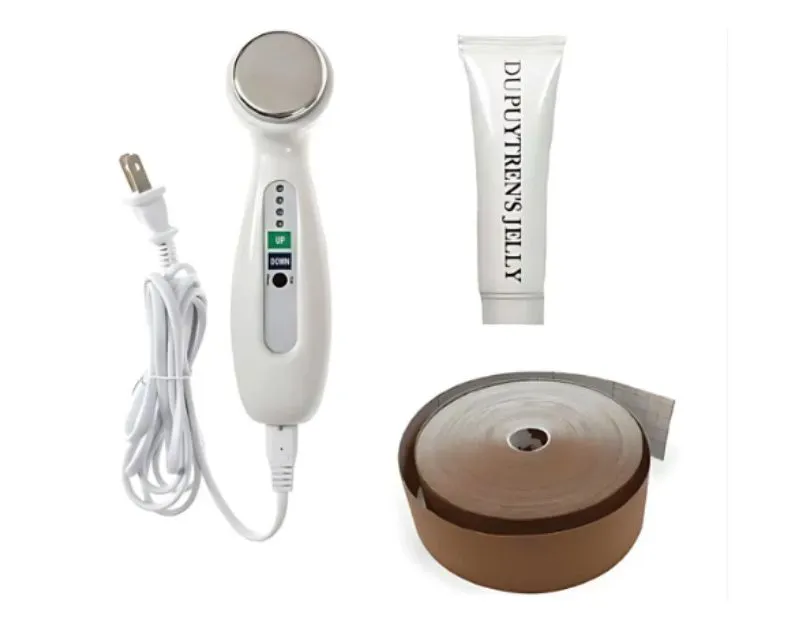
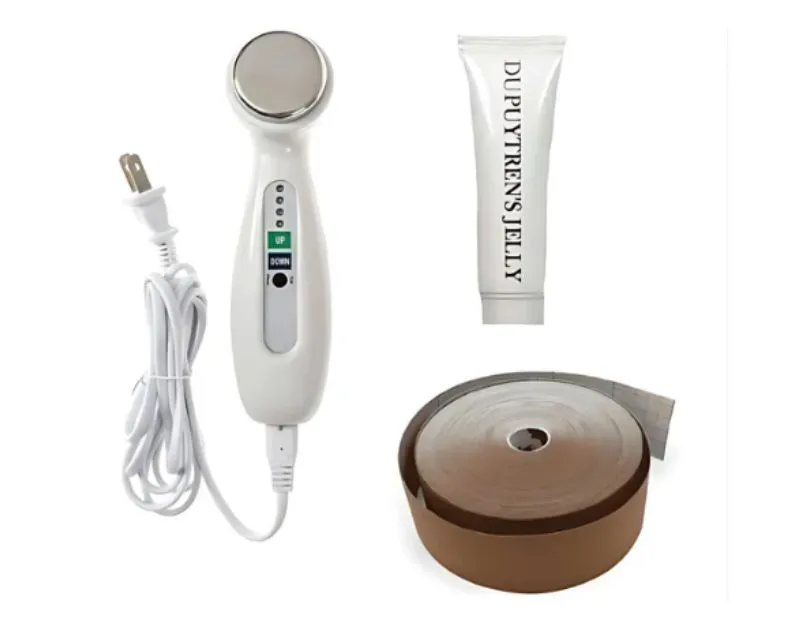
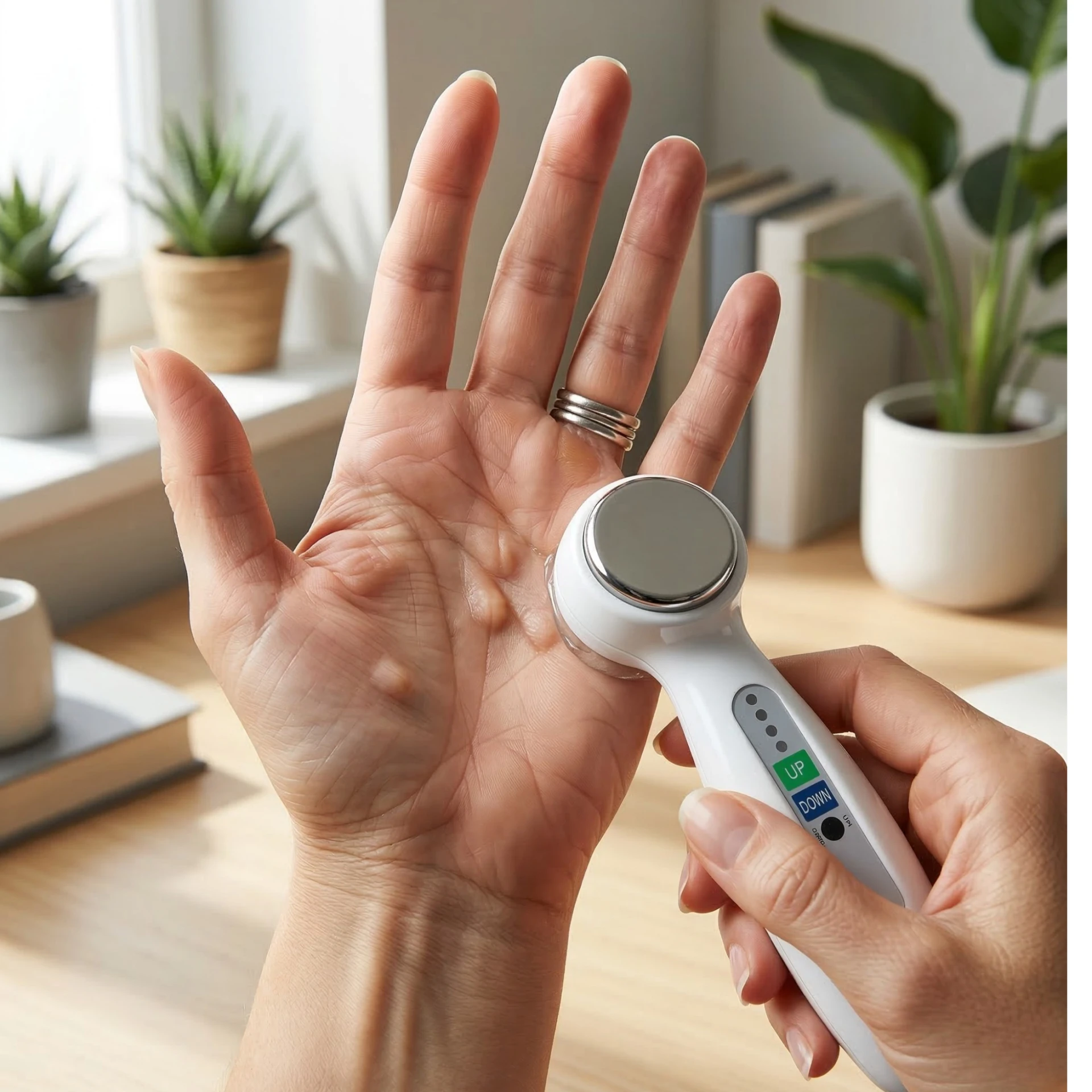
Hand therapy devices are another option people explore when building an at-home hand-care routine. Depending on the device, they may provide massage or other forms of stimulation intended to complement comfortable hand movement.
What to Consider Before Choosing a Device
Before using a hand-care tool, consider its instructions, intended use, comfort, and safety precautions. Choose a device that is appropriate for your needs, and avoid using it in a way that causes pain or applies excessive pressure directly to a nodule.
A device should not be considered a proven method for dissolving Dupuytren’s tissue or correcting a finger contracture. If you are unsure whether a particular device is suitable, consult a healthcare professional familiar with hand conditions.
When Should You Seek Professional Advice?
Home care is not a substitute for an assessment when Dupuytren’s contracture begins to affect hand function. Arrange an appointment if a nodule grows, a finger starts bending toward the palm, or you notice increasing difficulty with everyday tasks.
A healthcare professional can assess the condition and discuss appropriate options, which may include monitoring, hand therapy for functional needs, injections, or a procedure depending on the severity and your circumstances.
Early assessment can help you understand what is happening and avoid relying on remedies that may not address the underlying tissue changes.
Frequently Asked Questions
1. Can Dupuytren's nodules be softened naturally?
Gentle massage and comfortable hand movements may help some people manage stiffness, but there is no reliable evidence that natural remedies can soften or eliminate the underlying nodules. Seek professional advice if symptoms change.
2. Does massaging a Dupuytren's nodule make it disappear?
No. Massage may provide temporary comfort, but it has not been shown to remove the thickened connective tissue responsible for Dupuytren’s contracture. Avoid forceful pressure on the affected area.
3. Are hand exercises helpful for Dupuytren's contracture?
Gentle exercises may help maintain the movement you currently have, depending on your condition. They do not reliably prevent progression or straighten a contracted finger. A hand therapist can recommend suitable movements.
4. When should I see a doctor about a palm nodule?
Seek an assessment if the lump changes, a finger begins bending, or you have trouble placing your hand flat or completing daily activities. A clinician can confirm the diagnosis and discuss suitable treatment options.






















Sign in to leave a comment.