

Starting a yoga practice is often easier than maintaining one. Many people begin with enthusiasm, practise regularly for a few days and gradually lose interest when work, family responsibilities or other commitments become demanding. The challenge is not always finding time for yoga but making it a natural part of everyday life.
A regular yoga routine does not need to involve long sessions or complicated movements. Even a short period of mindful movement, breathing exercises and relaxation can help you develop a better connection with your body and mind. The important thing is to choose a routine that suits your lifestyle and gives you enough flexibility to continue practising.
1. Understand Your Personal Yoga Goals
Before creating a daily routine, take some time to understand why you want to practise yoga. Different people approach yoga for different reasons. Some want to improve flexibility, while others wish to develop strength, manage everyday stress or improve their concentration.
Your reason for practising will influence the type of yoga you choose and the amount of time you dedicate to it.
For example, someone who spends several hours sitting at a desk may benefit from gentle stretching and movements that improve spinal and hip mobility. Someone interested in developing physical strength may prefer a combination of standing postures, balance exercises and controlled movements.
If your main goal is relaxation, you can include meditation, pranayama and restorative yoga in your routine.
Avoid setting too many goals at once. Begin with one or two realistic intentions and gradually develop your practice as you become more comfortable.
2. Start With a Simple and Practical Schedule
One of the biggest mistakes beginners make is creating a routine that is too demanding. Practising for an hour or more every day may sound appealing, but it can become difficult to maintain when your schedule changes.
A more practical approach is to begin with 15 to 20 minutes and increase the duration gradually.
Learning about yoga through structured education, including yoga teacher training in india, can also help practitioners understand how different elements of yoga fit together. However, beginners do not need advanced knowledge to establish a regular home practice.
You can start with a simple schedule:
- 3-5 minutes of gentle warm-up movements.
- 5-10 minutes of basic yoga asanas.
- 3-5 minutes of breathing exercises.
- 2-5 minutes of relaxation or meditation.
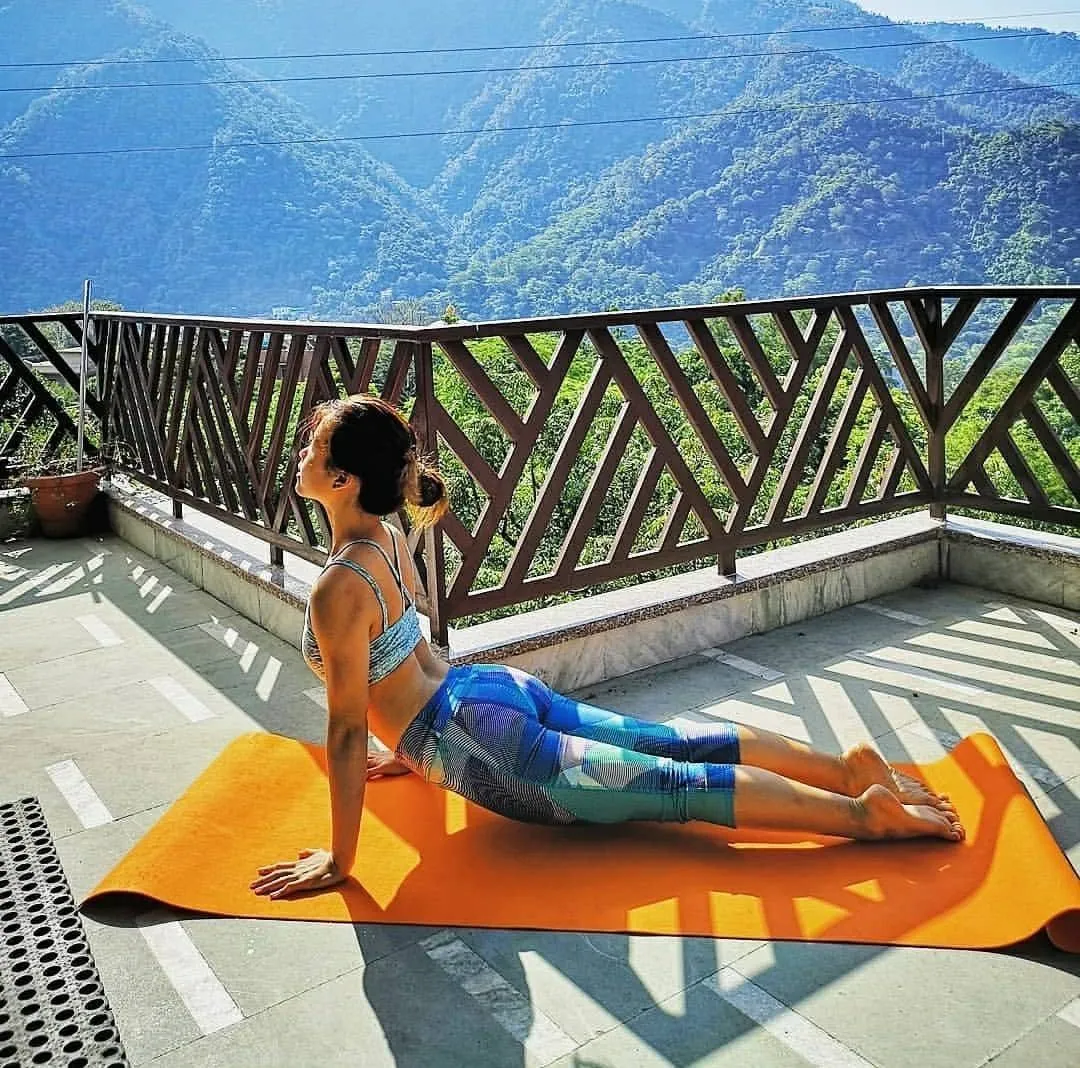
This structure provides a balanced introduction to movement, breath awareness and relaxation.
Choose a time that works with your daily responsibilities. Some people enjoy practising in the morning before starting work, while others prefer the evening when they have fewer distractions.
Consistency matters more than choosing a particular hour.
3. Create a Comfortable Space for Practice
Your surroundings can influence how easily you maintain a yoga habit. You do not need a large room or expensive equipment to practise yoga at home.
Find a clean, quiet and reasonably ventilated space where you can move comfortably. A yoga mat, comfortable clothing and a few basic props, such as a cushion or yoga blocks, may be sufficient.
Try to keep your yoga mat in a convenient place rather than storing everything away after each session. Having your practice space ready can make it easier to begin.
You can also reduce distractions by keeping your phone away, turning off unnecessary notifications and allowing yourself some uninterrupted time.
A peaceful environment does not have to be completely silent. The purpose is to create a space where you can pay attention to your movements and breathing.
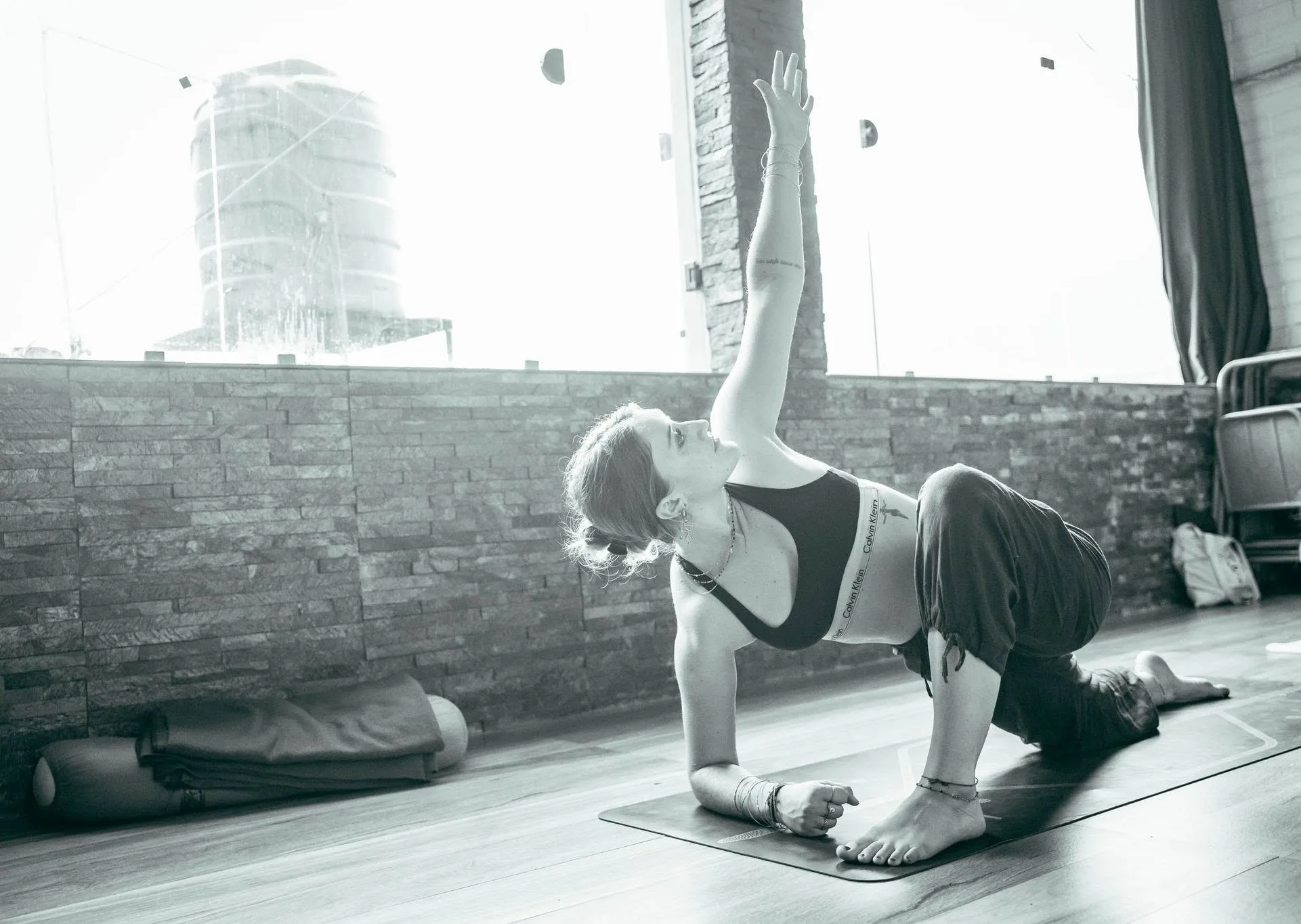
4. Choose Yoga Practices That Match Your Ability
There are different styles of yoga, and each offers a different experience.
Hatha Yoga generally introduces postures at a steady pace, making it a useful starting point for understanding alignment and breathing. Vinyasa Yoga connects movement with breath through flowing sequences. Yin Yoga involves holding selected postures for longer periods, while restorative yoga uses props to support relaxation.
You do not have to practise every style. Experiment with different approaches and observe which ones feel appropriate for your body and goals.
For beginners, it is helpful to learn basic postures such as Tadasana, Balasana, Bhujangasana and Sukhasana. Pay attention to correct alignment instead of trying to achieve the deepest possible stretch.
If you are new to physical exercise or have an existing injury, consult a qualified healthcare professional before starting and seek guidance from an experienced yoga instructor.
5. Make Breathing an Important Part of Your Routine
Yoga is not simply a collection of physical postures. Awareness of breathing is an important part of traditional yoga practice.
During asanas, breathe naturally and avoid holding your breath unnecessarily. Coordinating breathing with movement can help you remain attentive and maintain a steady pace.
You can also include simple pranayama techniques such as gentle diaphragmatic breathing or Anulom Vilom, provided you have learned the technique correctly.
Begin with a few comfortable rounds rather than forcing your breathing or attempting advanced techniques without supervision.
Breath awareness also gives you an opportunity to notice when you are rushing, feeling uncomfortable or becoming distracted during practice.
6. Build Consistency Through Small Habits
A regular yoga practice develops through repetition. Instead of depending entirely on motivation, connect yoga with an activity you already perform every day.
For example, you could practise after waking up, before breakfast or after returning home from work.
Some helpful habits include:
- Practising at approximately the same time each day.
- Keeping your yoga mat ready.
- Following a simple weekly schedule.
- Recording your practice in a notebook.
- Setting realistic weekly goals.
- Allowing yourself shorter sessions on busy days.
Do not treat missed sessions as a reason to abandon your routine. If you miss a day, simply return to your practice the following day.
7. Include Rest and Recovery Days
Daily yoga does not mean performing physically demanding postures every day. Your body also needs time to recover, especially when you are learning new movements or increasing the intensity of your practice.
You can alternate between active and gentle sessions. For example, practise standing postures and flowing sequences on some days, followed by gentle stretching, breathing exercises or meditation on others.
Restorative practices and relaxation techniques can also help you develop a more balanced relationship with physical activity.
Listen to your body and avoid pushing through sharp pain, dizziness or unusual discomfort.
8. Learn From Experienced Yoga Teachers
Practising at home provides flexibility, but guidance from a knowledgeable teacher can help you understand posture alignment, breathing techniques and the principles behind different yoga practices.
If you wish to explore yoga more deeply, you may also consider structured learning opportunities. A Yoga Retreat in Rishikesh can introduce you to traditional yoga practices, meditation and yogic philosophy in a dedicated learning environment.
For those interested in teaching, a 200 hour yoga teacher training india programme provides a more structured introduction to asanas, anatomy, pranayama, meditation and teaching methodology.
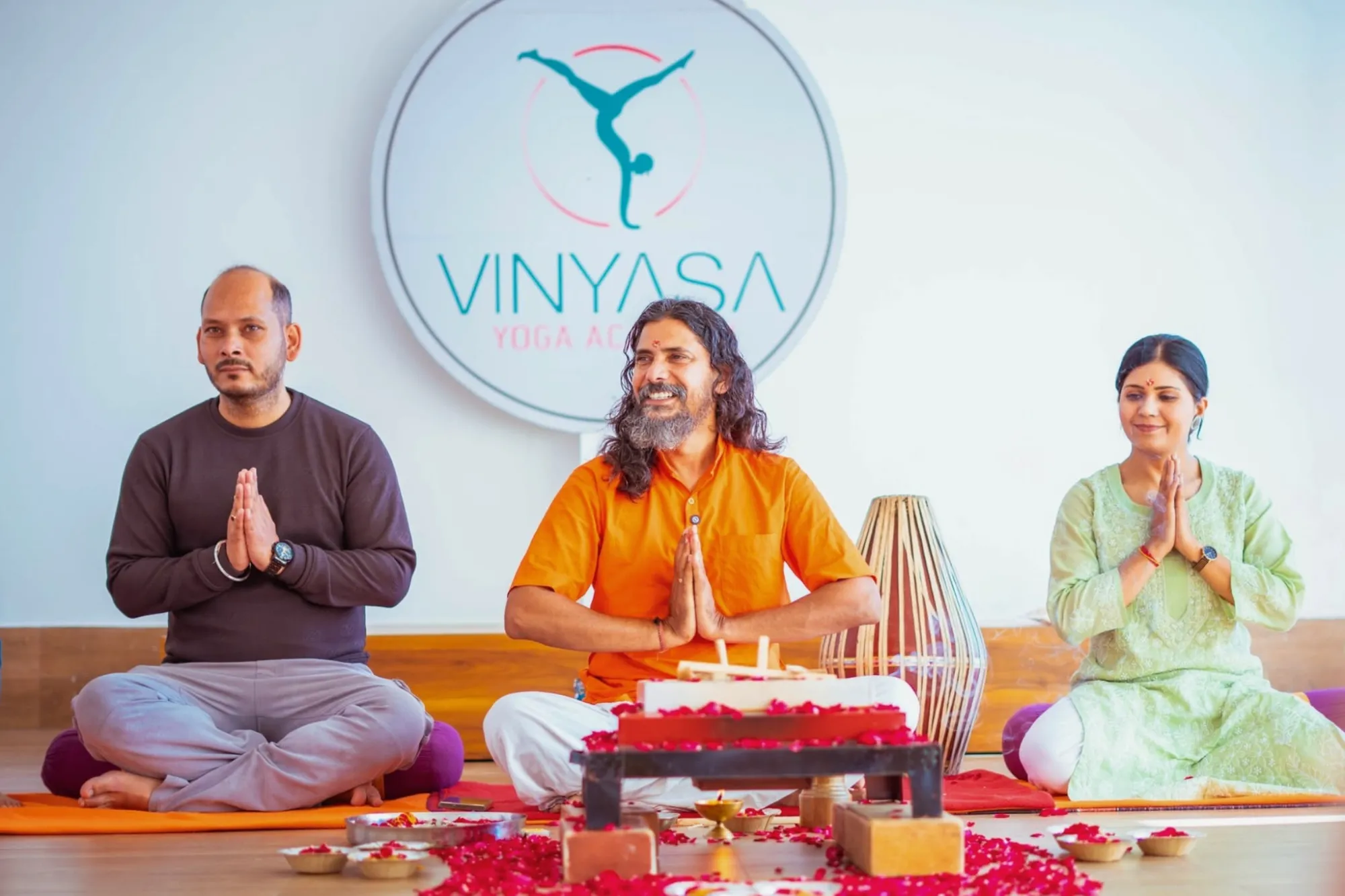
Vinyasa Yoga Academy offers yoga education in Rishikesh and Bali, where students can explore different aspects of traditional and modern yoga under the guidance of experienced instructors.
Conclusion
Building a consistent daily yoga routine is about developing a habit that fits naturally into your life. You do not need perfect flexibility, advanced knowledge or long practice sessions to begin.
Start with simple movements, include breathing exercises, choose a comfortable practice time and give yourself enough room to progress gradually. With patience and regular effort, yoga can become a meaningful part of your everyday routine.
The best routine is not necessarily the longest or most challenging one. It is the one you can follow comfortably and consistently.




















Sign in to leave a comment.