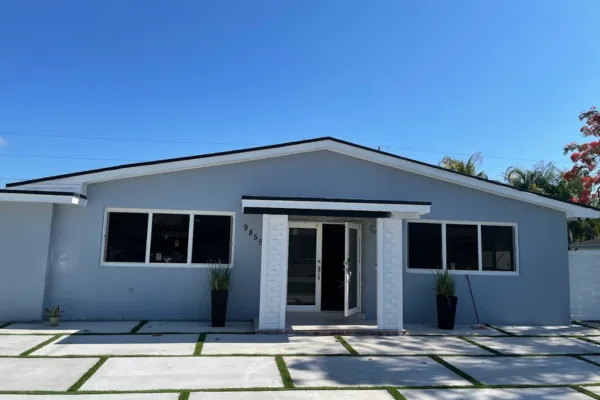

Living in South Florida comes with clear advantages, but the climate also puts homes under unusual stress. Intense sunlight, heavy rain, high humidity, strong winds, and hurricane exposure can all affect a property’s exterior over time.
For homeowners planning upgrades, the smartest approach is not simply to replace whatever looks old. It is to think about the building envelope, the roof, windows, doors, and other exterior components that separate the inside of the home from outdoor conditions.
When these systems work together, they can improve storm preparedness, security, comfort, and long-term durability. Three areas deserve particular attention: windows, exterior doors, and roofing.
Start With Vulnerable Window Openings
Windows are among the most exposed parts of a home during severe weather. Ordinary residential glass can break when struck by flying debris, potentially allowing wind and rain into the property.
Impact windows are designed differently. They generally combine laminated glass, reinforced framing, and installation components engineered for demanding weather conditions. Even if the glass is damaged by a strong impact, the laminated construction is designed to help keep the opening together rather than allowing broken glass to separate easily.
For homeowners researching impact window systems, storm protection is only one factor to consider. Modern impact windows may also improve security, reduce some outside noise, limit UV exposure, and provide better weather sealing compared with many older window systems.
Window style matters as well. Single-hung windows are common in traditional residential openings, while horizontal rollers work well in wider spaces. Casement windows provide ventilation through an outward-opening design, and fixed architectural windows are useful where natural light and views are more important than airflow.
The product itself, however, is only part of the equation. Opening dimensions, design pressures, frame configuration, product approvals, anchoring, sealing, and installation quality can all affect how a window performs.
Exterior Doors Deserve Equal Attention
It makes little sense to strengthen every window while ignoring weak exterior doors.
Entry doors, patio doors, sliding glass systems, and garage doors are all part of the home's exterior envelope. Some of these openings are considerably larger than a typical window, making correct product selection and installation especially important.
Modern impact-rated exterior doors are available in several configurations. French doors can work well for traditional entrances and patios. Sliding glass doors provide wide views without requiring swing clearance. Bi-fold systems can create broad indoor-outdoor openings, while reinforced garage doors address one of the largest openings found on many homes.
Homeowners should evaluate more than appearance when selecting a door. The frame, glass, locks, hinges, tracks, hardware, fastening method, and approved installation configuration need to function as one complete system.
Everyday usability matters too. A properly planned door upgrade can improve natural light, patio access, weather sealing, security, and the connection between interior and exterior living spaces.
Treat the Roof as Part of the Same Protection System
Windows and doors receive considerable attention before hurricane season, but the roof is equally important.
A roof must handle wind uplift, heavy rainfall, repeated heat exposure, drainage, flashing details, and moisture control. Even a premium roofing material can perform poorly when the underlying installation details are inadequate.
South Florida homeowners typically have several roofing materials to consider.
Tile roofing is widely associated with Florida architecture and offers long-term durability when properly installed. Architectural shingles provide broad style choices and can be practical for many residential properties. Metal roofing is valued for durability, relatively low weight, and effective water shedding. Slate and slate-look materials can provide a more premium architectural appearance.
When comparing roofing installation and replacement options, homeowners should look beyond the visible roof covering. Underlayment, flashing, attachment methods, roof penetrations, ventilation, drainage, and approved installation requirements are also important parts of the system.
The best roofing material therefore depends on more than personal preference. Existing roof conditions, slope, structural considerations, local requirements, budget, and the desired appearance should all influence the decision.
Why These Three Upgrades Should Be Evaluated Together
Windows, doors, and roofing are often marketed as completely separate home-improvement projects. From a building-performance perspective, however, they are connected.
All three help protect the boundary between the living space and severe outdoor conditions.
A homeowner might replace every window but still have an aging roof or an older garage door. Another property may have a recently installed roof but outdated windows and patio doors.
This does not mean every exterior component needs to be replaced at the same time. It means homeowners should identify the weakest parts of the building envelope first and prioritize upgrades accordingly.
A professional assessment can also help determine which improvements should happen immediately and which can be completed in phases.
Local Experience Matters in South Florida
Exterior projects in South Florida often involve more than purchasing a product and scheduling installation. Depending on the location and project scope, homeowners may also encounter building permits, inspections, wind-load requirements, product-approval documentation, and installation specifications.
That makes local experience valuable.
G&R Windows, Doors & Roofing is a South Florida contractor working across impact windows, impact doors, and residential roofing. The company provides product guidance, measurements, permit support, financing options, and professional installation for homeowners planning exterior upgrades.
Using a contractor familiar with several parts of the building envelope can also make it easier to evaluate a property as a complete system rather than treating every improvement as an unrelated project.
Homeowners should still review proposed products, warranties, approval documentation, installation scope, and contract terms before moving forward.
Final Thoughts
Hurricane preparation is most effective when protection is already built into the home—not when homeowners are making last-minute decisions because a storm has entered the forecast.
Impact windows can strengthen vulnerable glass openings. Impact doors can improve protection at entrances, patios, and garages. A properly selected and installed roofing system can help protect the structure from wind and rain above.
The goal is not necessarily to purchase the most expensive option in every category. A better strategy is to understand the property’s weak points, select products appropriate for the home and local requirements, and prioritize professional installation.
When windows, doors, and roofing are considered together, South Florida homeowners can make more informed decisions about storm readiness, security, comfort, and the long-term resilience of their property.























Sign in to leave a comment.