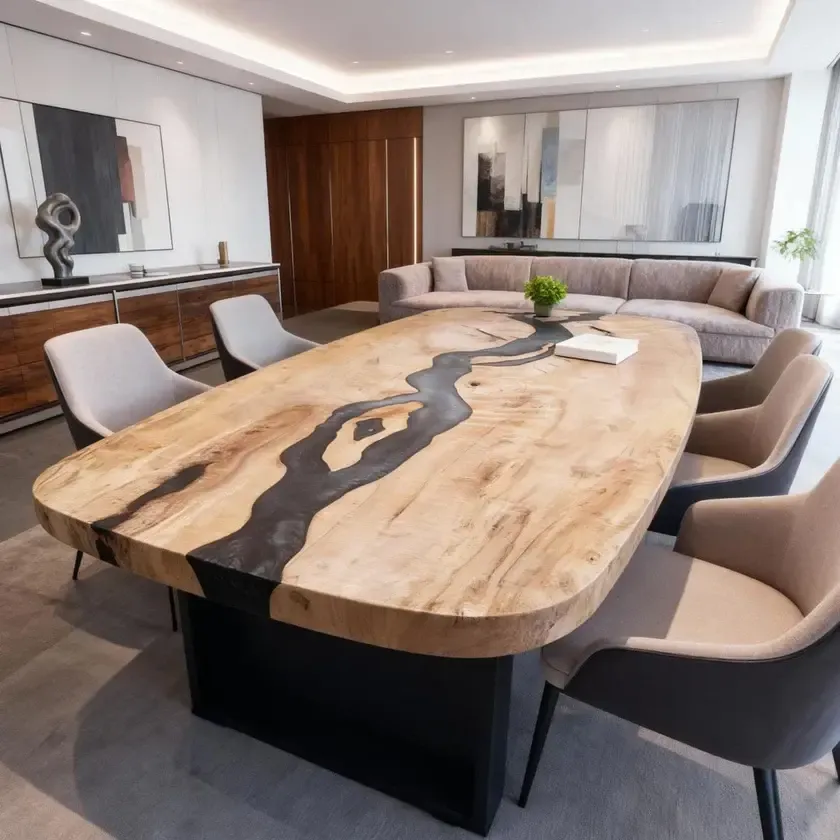

A dining table does more than hold plates. It sets the tone for the whole room. Pair the right table with the right chairs, lighting, and accessories, and even a modest dining corner starts to feel like a considered, welcoming space. At the heart of many of the best-looking dining rooms is a solid wood dining table, a piece with enough natural character to work as a centrepiece and enough versatility to suit almost any interior style.
This guide focuses on design. You'll find ideas for choosing a look, layering décor, arranging seating, and lighting the space, followed by a short FAQ covering common buyer questions.
Start With the Table: Let the Wood Lead
Solid wood brings its own colour, texture, and pattern to a room, which means the table can anchor your entire design scheme. Before choosing anything else, decide how you want the wood to feel:
- Light tones such as ash, oak, or natural mango feel airy and work well in small or north-facing rooms.
- Medium tones like teak and honey-finished sheesham bring warmth and pair easily with neutral walls.
- Dark tones such as walnut or espresso-stained sheesham create drama and a sense of luxury, especially against pale walls and brass or gold accents.
Once the wood tone is set, build everything else around it: rug, curtains, wall colour, and chair upholstery.
Matching Table Style to Interior Style
Contemporary and Minimalist Homes
Clean lines, uncluttered surfaces, and restrained colour palettes define this look. A modern solid wood dining table with slim tapered legs, a thin top profile, and a matte finish lets the grain do the talking. Pair it with simple upholstered or wooden chairs and a single statement pendant light.
Scandinavian and Japandi Interiors
These styles favour light woods, soft textures, and calm colours. Choose a pale, natural-finish table, add linen or cotton table runners, and keep décor sparse, perhaps a ceramic vase with dried stems or a small bowl of seasonal fruit.
Traditional and Heritage Homes
Rich, dark timbers, turned legs, and carved details suit classic interiors. Combine a deeply polished table with cushioned chairs in warm, jewel-like tones and add a patterned rug to ground the space.
Rustic and Farmhouse Looks
Embrace the imperfections. Knots, visible grain, and hand-finished edges fit beautifully here. Bench seating on one side, woven placemats, and simple earthenware complete the picture.
Shape Matters More Than You Think
The shape of your table changes how the room feels and how people interact around it.
Rectangular tables create a formal, structured layout and work well in long rooms. Square tables feel balanced and tidy, ideal for small dining nooks. Oval tables soften a room and improve movement around the table.
A round solid wood dining table deserves a special mention. It naturally draws people together, avoids the "head of the table" hierarchy, and suits compact dining areas where sharp corners would obstruct movement. Under a round table, a circular rug reinforces the shape and defines the dining zone beautifully.
Small Spaces, Big Style
Not every home has a dedicated dining room, and many meals happen in open-plan kitchens or shared living areas. In these settings, a solid wood kitchen table and chairs set makes sense because everything is designed to work together in proportion. To make a small dining area feel larger:
- Choose a table with slim legs so light and floor space stay visible.
- Tuck chairs fully under the table when not in use.
- Use a bench along a wall to save room and seat extra people.
- Keep the colour palette tight, using two or three tones at most.
- Mount shelves or a mirror nearby to bounce light around.
Make It Yours With Custom Design
Sometimes the perfect table simply doesn't exist in a showroom. Custom work lets you match exact requirements. With customized solid wood dining tables, you can decide on the timber, dimensions, edge profile, leg shape, stain, and even hidden extras such as cable ports for laptops or extension leaves for festive gatherings. Designers and homeowners often choose customisation for awkward rooms, statement pieces, or to match existing joinery and cabinetry.
Working With the Right Maker
Design ideas only work if the craftsmanship supports them. A dependable solid wood dining table manufacturer can advise on which timbers hold detail best, which finishes suit your lifestyle, and how to make your design practical as well as beautiful. For interior designers, architects, and hospitality projects handling multiple pieces or repeat orders, a reliable solid wood dining table supplier helps keep quality, colour, and timelines consistent from the first sample to the final delivery.
If you're in North India, working with a solid wood dining tables manufacturer in Delhi lets you review samples in person, judge finishes in your own lighting, and follow the build more closely, which matters when you're matching a specific design vision.
Layering the Table: Styling Ideas That Work
Once the table is in place, a few thoughtful finishing touches bring the whole setting together.
- Table runner or placemats: Choose textures like linen, jute, or cotton to contrast with the smooth wood surface.
- A simple centrepiece: A low vase, a wooden tray with candles, or a bowl of fruit keeps things elegant without blocking conversation.
- Tableware: Ceramic or stoneware in neutral shades complements wood, while bold coloured plates add personality.
- Greenery: A small potted plant or fresh herbs bring life and colour to the table.
- Napkins and details: Cloth napkins in a coordinating shade make even weekday dinners feel special.
Leave some bare wood visible. The material itself is the best decoration you have.
Lighting the Dining Area
Lighting shapes mood as much as furniture does. Hang a pendant or chandelier roughly 75 to 85 cm above the tabletop, and choose a warm white bulb (2700K to 3000K) so the wood glows rather than looking flat. Add dimmers if you can, so the room shifts easily from bright family breakfasts to relaxed evening dinners. Wall lights or a sideboard lamp can add depth in larger rooms.
Frequently Asked Questions
How many people does a solid wood dining table seat?
As a general guide, allow about 60 cm of width per person. A 150 cm table seats four to six people, while a 180 to 200 cm table comfortably seats six to eight.
Does solid wood need a lot of maintenance?
Not really. Wipe spills quickly, use coasters and placemats, and re-oil or re-wax the surface every few months, depending on the finish.
Will a solid wood table crack or warp?
Properly seasoned timber with sound joinery is very stable. Sudden changes in temperature and humidity are the biggest risks, so avoid placing the table beside heaters or in constant direct sun.
Can scratches be repaired?
Yes. This is one of the main advantages of solid wood. Light marks can be buffed out, and deeper damage can be sanded and refinished.
How do I choose between light and dark wood?
Light tones make small rooms feel open and airy, while dark tones add depth and drama. Consider your wall colour, flooring, and how much natural light the room receives.
Is solid wood worth the higher price?
For most buyers, yes. It lasts far longer than engineered alternatives, can be repaired, and keeps its value better over time.
Conclusion
A well-chosen and well-styled dining table turns a functional corner into the most inviting spot in the house. Start with the wood, match the style to your interior, pay attention to shape and proportion, and finish with lighting and layered details that reflect your personality. Do that, and your dining space will feel welcoming for every meal and every guest.
To explore designs, sizes, and finishes for your own home, browse the solid wood dining table collection at Carom Studios.






















Sign in to leave a comment.