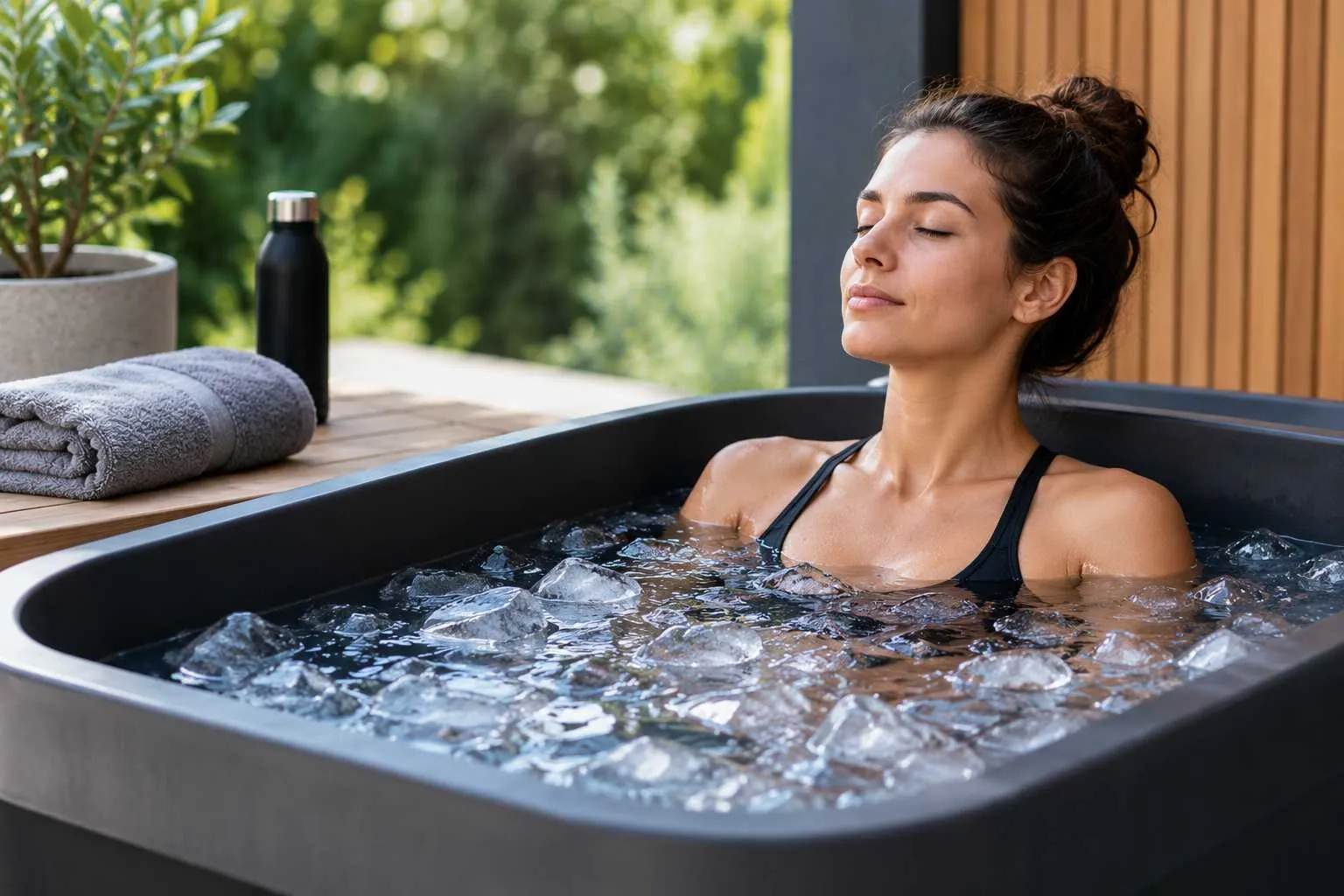

Taking an ice bath at home can be a simple way to introduce cold water therapy into your recovery routine. While the idea of sitting in cold water may seem intimidating at first, beginners can start gradually and create a controlled, comfortable setup. Understanding the right preparation, temperature, timing, and safety practices can make the experience easier and more enjoyable.
What Is an Ice Bath?
An ice bath involves sitting in cold water for a short, controlled period. Cold water causes blood vessels near the skin to constrict, creating a temporary change in circulation. Many athletes and wellness enthusiasts use cold plunges as part of their post-workout routines and recovery practices.
You do not necessarily need an elaborate setup to get started. A suitable tub, cold water, and a way to monitor the temperature can be enough for a basic home session.
Prepare Your Ice Bath
Start by filling your tub or cold plunge with cool water. If the water is not cold enough, gradually add ice until you reach your desired temperature. Beginners should avoid starting with extremely cold water. A temperature around 10–15°C (50–59°F) is a reasonable starting range for many people.
Use a reliable thermometer to check the water temperature rather than relying on how cold it feels. Keep a towel, warm clothing, and comfortable footwear nearby so you can warm up easily after your session.
How Long Should You Stay in an Ice Bath?
For your first session, keep it short. Around 1–3 minutes can be enough to help you become familiar with the sensation of cold water. As you become more comfortable, you can gradually increase the duration, but longer sessions are not automatically better.
Focus on staying calm and breathing steadily rather than trying to tolerate extreme discomfort. If you experience intense pain, dizziness, confusion, numbness, or difficulty breathing, leave the water immediately and warm up.
Enter the Water Gradually
Before getting in, take a few slow breaths. Enter the water carefully and avoid jumping in, as sudden cold exposure can cause an involuntary gasp and rapid breathing.
Once inside, concentrate on slow, controlled breathing. Keep your movements relaxed and avoid unnecessary splashing. Beginners may find it helpful to keep their hands or feet out of the water initially and gradually increase exposure as they become accustomed to the temperature.
Warm Up After Your Ice Bath
When your session is finished, exit carefully and dry yourself thoroughly. Put on warm, comfortable clothing and allow your body to return to its normal temperature naturally.
Avoid immediately using extremely hot water to warm yourself up. Instead, focus on gradual rewarming with clothing, blankets, and a comfortable room temperature. Drinking a warm, non-alcoholic beverage can also make the post-bath experience more comfortable.
Ice Bath Safety Tips for Beginners
Cold exposure is not suitable for everyone. People with certain heart, circulation, blood-pressure, or other medical conditions should speak with a qualified healthcare professional before trying an ice bath. Never use an ice bath when you are alone if you are inexperienced with cold-water exposure.
Avoid combining an ice bath with alcohol or anything that could impair your awareness. Always listen to your body and stop if something feels wrong.
Make Cold Therapy Part of Your Routine
Learning how to take an ice bath at home is mainly about starting slowly and building familiarity with cold exposure. Choose a manageable temperature, keep your first sessions brief, monitor how you feel, and prioritize safety over endurance. With the right approach and a consistent routine, a home ice bath can become a refreshing addition to your wellness and recovery habits.
























Sign in to leave a comment.