

Most reinforcement steel in India is not bought from a factory. It is bought from a counter a few kilometres from the site, usually the nearest one. Ask a contractor why they buy from a particular shop and the honest answer is often just that: it is close, the owner is known, the truck arrives the same day. Convenience is a real advantage. It is also, on its own, a poor test of a dealer.
Nearby Is Not the Same as Reliable
The distinction matters because the dealer is the last controlled point between the mill and your slab. Whatever discipline the manufacturer applied, the material still has to arrive as the right grade, the right diameter, properly stored and properly documented. Good TMT bar dealers protect that chain. A merely convenient one can quietly break it.
Start With the Material, Not the Counter
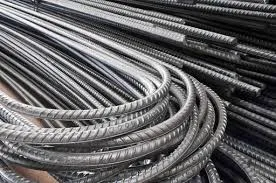
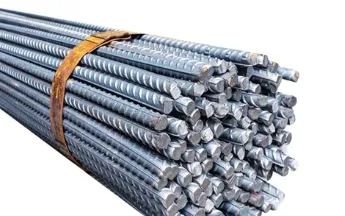
The first check is boringly practical. Does the shop actually stock the grade your structural drawing specifies, or will you be nudged toward whatever is in the yard? Is the full run of diameters available, or only the fast movers? A project that needs 8 mm rings and 25 mm bars in the same week quickly discovers the difference between a stocked dealer and a hopeful one. Storage tells its own story too; bars lying rusted in an open yard before purchase say something about handling.
Ask for Paper Before You Ask for Price
A dealer connected to a serious manufacturer can produce documentation: the BIS licence details behind the brand and a mill test certificate for the batch where applicable. Asking for these costs nothing and reveals plenty. TMT bar dealers who handle documents routinely tend to be the same ones who handle complaints routinely.
Product Knowledge Is Part of the Service
This matters most with specialised reinforcement. If a coastal or wet-site project calls for epoxy coated bars, the counter should know how the product is handled; Captain Steel, for example, supplies its RustGuard coated bars with an epoxy patch-up kit for touching up cut ends, and a dealer worth using can explain and provide that support rather than looking puzzled by the question. A TMT bar dealership that understands what it sells is doing part of your quality control for you.
The Dealer Is Part of Your Supply Chain
On a long build, the relationship compounds. Replenishment timing, consistent brand supply mid-project, and a working line back to the manufacturer all decide whether your specification survives month six. That is why choosing a TMT bar dealership deserves the same few phone calls of diligence you would give a subcontractor.
Buy from the nearby counter when it earns it. The best TMT bar dealers are often local ones. The point is simply to let availability, documentation and product knowledge make the decision, and let distance come last.
Frequently Asked Questions
Is buying from the nearest dealer a bad idea?
Not at all. A local dealer with the right stock, documentation and manufacturer connection is the best of both worlds. The mistake is letting distance alone make the decision before checking anything else.
What documents should a buyer ask a dealer for?
Ask for the BIS licence details behind the brand being sold and a mill test certificate for the batch where applicable. A dealer who supplies these without fuss is usually one who takes the rest of the job seriously too.
Why does it matter if a dealer stocks all diameters?
A real project draws several sizes at once, from rings to heavy column bars. If the dealer only keeps fast-moving sizes, you end up sourcing mid-project from a second counter, and your brand and grade consistency can slip.
Should the condition of steel at the dealer's yard influence the purchase?
Yes. Bars stored carelessly in the open can start corroding before they ever reach your site. How a dealer stores material is a visible, free indicator of how much handling discipline to expect.
Do coated bars need anything special from the dealer?
They need product knowledge. With epoxy coated reinforcement, cut ends must be touched up, so the dealer should understand the product and provide the support that comes with it, such as the patch-up kit Captain Steel supplies with its RustGuard bars.





















Sign in to leave a comment.