

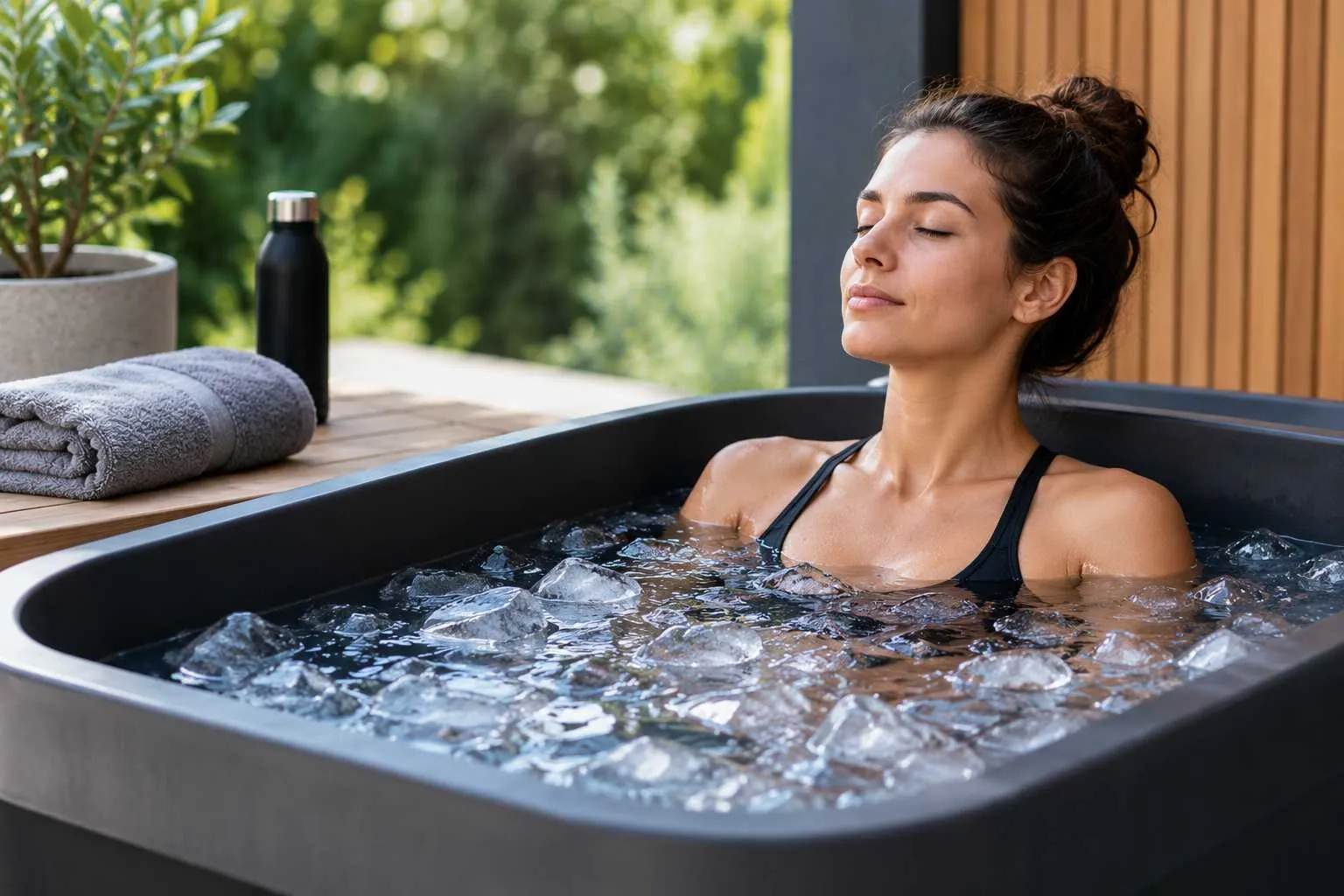
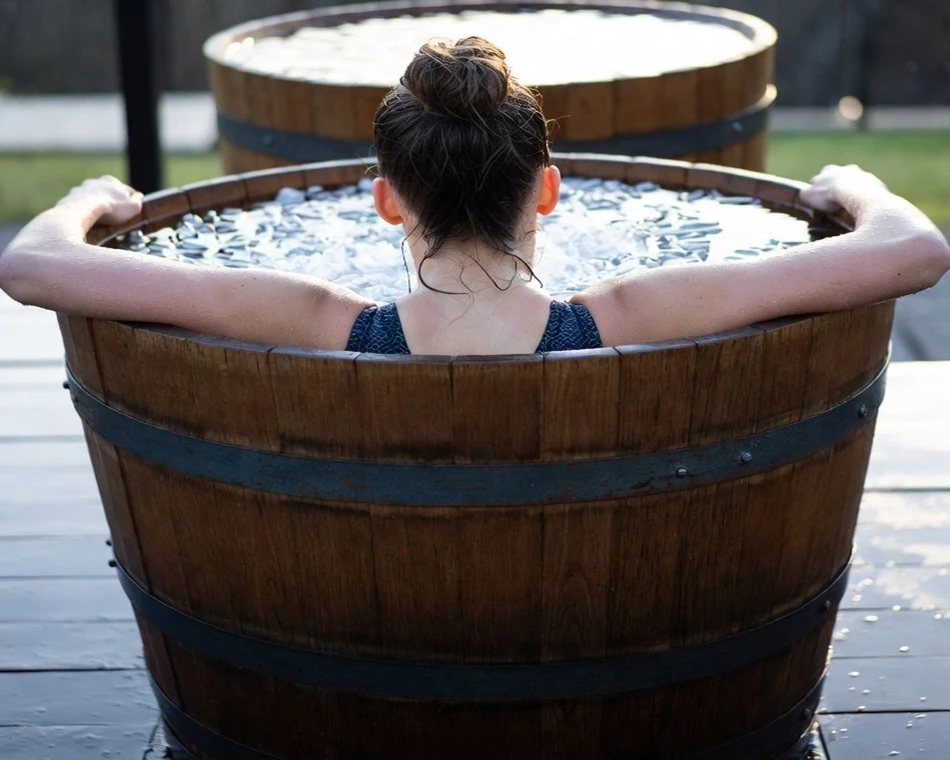
Cold water immersion has become a popular recovery practice among athletes, fitness enthusiasts and people looking to add a refreshing wellness routine to their daily lives. A portable ice bath makes it easier to experience cold water therapy at home without needing a permanent plunge pool. However, if you are trying it for the first time, understanding how to use it safely is essential.
From preparing the water to managing your time in the tub, a few simple precautions can help make your first cold plunge more comfortable and controlled.
1. Choose the Right Location for Your Portable Ice Bath
Before filling your portable ice bath, select a stable, level surface that can support the combined weight of the tub, water and user. A suitable outdoor patio, garden area or spacious indoor location may work, depending on the manufacturer's instructions.
Ensure the surrounding area has good drainage and enough space to enter and exit the tub safely. Keep the bath away from electrical equipment and slippery surfaces. If you are using an inflatable or foldable model, check that it is properly assembled and free from leaks before filling it.
2. Start with a Comfortable Water Temperature
One of the most common mistakes beginners make is using water that is too cold. Although ice baths are often associated with icy temperatures, you do not need to start with extreme cold to experience cold water immersion.
For your first session, consider starting with cool water rather than heavily iced water. A temperature around 15–20°C may be a more manageable starting point for some beginners, although individual tolerance varies. Use a thermometer to monitor the temperature accurately instead of relying on how the water feels.
As you become more familiar with the experience, you can decide whether to adjust the temperature gradually. Avoid forcing yourself to tolerate colder water, and follow the guidance provided with your portable ice bath.
3. Prepare Your Body Before Entering
Before your first cold plunge, make sure you feel well, hydrated and comfortable. Avoid entering the bath immediately after intense exercise when you are exhausted, dizzy or overheated. Allow your breathing and heart rate to settle first.
Keep a dry towel, warm clothing and non-slip footwear nearby. If possible, have another responsible adult present during your initial sessions, particularly if you are unfamiliar with cold water immersion.
Enter the portable ice bath slowly, using a stable support if needed. Avoid jumping into the water, as sudden exposure to cold can trigger an involuntary gasp and rapid breathing.
4. Keep Your First Session Short
For beginners, a brief exposure is usually the best approach. Consider starting with around 30 seconds to one minute, provided the water temperature is comfortable and you feel well. There is no need to remain submerged for several minutes during your first attempt.
Focus on keeping your breathing controlled and steady. Cold water can initially cause rapid breathing, so enter gradually and allow yourself time to adjust.
Keep your head above water and avoid holding your breath. Never treat the duration of your plunge as a competition. Exit immediately if you experience chest pain, dizziness, numbness, confusion, severe discomfort or difficulty controlling your breathing.
5. Warm Up Gradually After Your Cold Plunge
Once you finish, leave the bath slowly and carefully, as cold exposure can affect balance and coordination. Dry yourself thoroughly, put on warm clothing and allow your body to return to a comfortable temperature gradually.
Gentle movement, such as walking around indoors, may help you warm up. Avoid immediately using very hot water or applying intense heat if you are still feeling chilled or light-headed.
If you develop persistent shivering, confusion or other concerning symptoms, seek medical assistance.
6. Understand When Cold Plunges May Not Be Suitable
Cold water immersion is not appropriate for everyone. Sudden cold exposure can place stress on the cardiovascular system. If you have heart disease, high blood pressure that is not well controlled, circulation problems, Raynaud's phenomenon or another relevant medical condition, consult a healthcare professional before trying an ice bath. Avoid cold plunges when unwell or under the influence of alcohol or drugs.
7. Clean and Maintain Your Portable Ice Bath
After each session, follow the manufacturer's instructions for water treatment, filtration, draining and cleaning. Regular maintenance helps keep your portable ice bath hygienic and ready for future use. Use a suitable cover when the bath is not in use to reduce contamination from dust, leaves and insects.
Conclusion
Your first cold plunge should be about learning how your body responds, not pushing your limits. By choosing a safe location, starting with cool water, keeping sessions brief and warming up gradually, you can approach cold water immersion more confidently. With a well-maintained portable ice bath and consistent safety practices, you can establish a sensible routine that fits your recovery and wellness goals.


















Sign in to leave a comment.