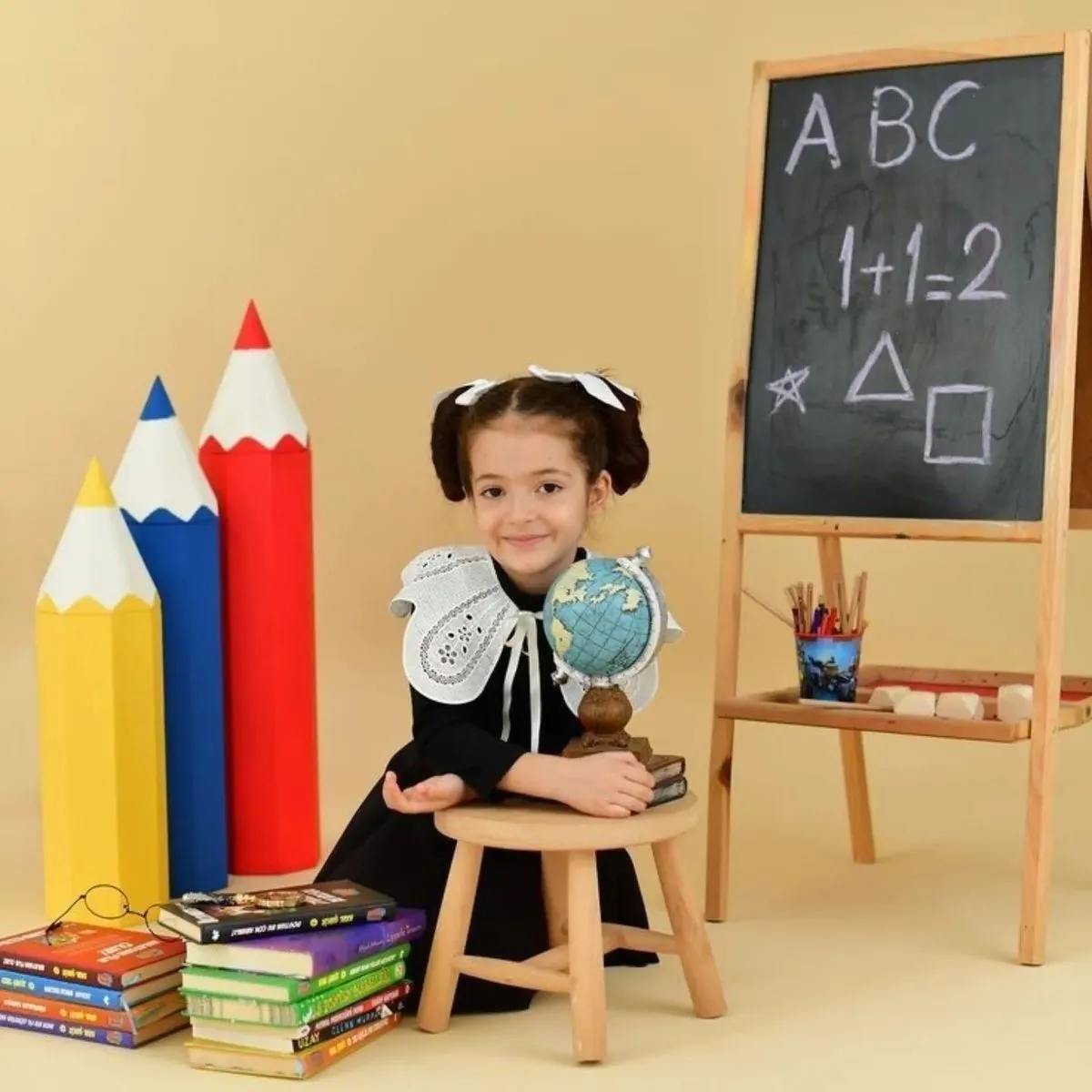

Parents often look at exam scores before anything else while choosing a school. It makes sense. Strong academics matter. But after talking to many educators and seeing how children grow over the years, one thing becomes clear. Good grades alone don't decide how far a student goes in life.
A report by the World Economic Forum has pointed out that skills like communication, problem-solving, adaptability, and teamwork are becoming just as valuable as academic knowledge. Schools that understand this don't limit learning to textbooks. They create an environment where children learn how to think, interact, and take responsibility. That balance is what many parents now expect from the top schools in Delhi NCR.
Learning That Goes Beyond Memorizing
Every child learns in a different way. Some understand concepts by reading, while others learn faster through activities, discussions, or practical work.
Good schools know this. Instead of asking students to simply remember answers, teachers encourage them to ask questions, explain their thinking, and solve real problems. A science lesson, for example, becomes much more meaningful when students perform experiments instead of only reading about them.
This style of learning stays with children for a long time because they actually understand the topic instead of preparing only for the next examination.
Building Strong Communication Skills
A child who knows the answer but doesn't feel confident enough to speak often struggles later, whether it's during college interviews or professional life.
That is why communication is treated as an important part of learning in leading schools. Classroom discussions, presentations, debates, storytelling sessions, and group activities help students express their ideas without hesitation.
Some children take time to open up. That's perfectly normal. Regular opportunities to speak in front of others slowly build confidence, and over time, even quiet students start participating more comfortably.
Sports Teach Lessons Books Cannot
Sports are often seen as a break from studies. In reality, they teach lessons that classrooms cannot.
Every match teaches discipline. Every practice session demands consistency. Winning feels great, but losing also teaches students how to recover, improve, and keep moving.
Whether children play football, basketball, badminton, athletics, or indoor games, they develop patience, teamwork, and determination. These experiences shape their personality in ways that continue long after school years.
Creative Activities Help Students Discover Their Strengths
Not every child dreams of becoming an engineer or a doctor. Some love painting. Others enjoy music, theatre, dance, writing, or designing.
Schools that support creative learning give students the freedom to explore these interests without treating them as secondary activities. A stage performance or an art exhibition often teaches confidence, planning, and self-expression just as much as classroom lessons.
Parents are often surprised to see talents they never noticed at home.
Leadership Begins with Small Responsibilities
Leadership doesn't start with becoming the school captain.
It begins when students organise a classroom activity, lead a team project, coordinate an event, or help classmates complete a task. These small responsibilities teach decision-making, accountability, and cooperation.
Children gradually understand that leadership is less about giving instructions and more about working together while taking responsibility for the outcome.
Technology Is Used with Purpose
Technology has become part of education, but using it wisely makes the difference.
Interactive classrooms, digital learning platforms, smart boards, coding sessions, and research projects help students understand concepts in more engaging ways. Technology also introduces them to skills that have become valuable in higher education and future careers.
The focus remains on learning, not simply spending more time in front of a screen.
Emotional Well-Being Deserves Equal Attention
Students deal with academic pressure, changing friendships, competitions, and personal challenges while growing up.
Schools that genuinely care about student development create an atmosphere where children feel heard and supported. Teachers, mentors, and counsellors encourage open conversations so students learn how to manage emotions, deal with setbacks, and build healthy relationships.
This emotional strength quietly supports every other area of learning.
Values Shape Character for Life
Academic success has meaning when it is supported by honesty, kindness, respect, and responsibility.
Many of the top schools in Delhi NCR include community service, environmental awareness, cultural activities, and teamwork as part of school life. These experiences help students understand their role beyond personal achievement.
Simple habits like respecting others, keeping promises, and helping classmates become part of everyday learning instead of separate lessons.
Preparing Students for the Future
The future keeps changing, and careers continue to evolve. Children entering school today will work in professions that don't even exist yet.
Because of this, schools focus on building adaptable learners rather than students who only memorize information. Critical thinking, creativity, collaboration, digital awareness, and curiosity help students stay ready for whatever opportunities come next.
Parents searching for the top schools in Delhi NCR often look beyond infrastructure or board results. They look for a place where children feel encouraged to learn, grow, make mistakes, discover new interests, and become confident individuals. That's the kind of education that stays with a student long after the final school bell rings.


























Sign in to leave a comment.