

Trees are one of the defining features of The Woodlands.
They provide shade, contribute to the character of neighborhoods, and help create the wooded environment the community is known for.
But having mature trees close to a home also creates a few roofing considerations that homeowners shouldn't overlook.
Leaves, pine needles, branches, moisture, and clogged drainage areas can all affect how water moves across a roof. None of these automatically means a roof will develop problems, but they do make routine observation and maintenance particularly useful.
Here are several things homeowners in The Woodlands should watch for.
1. Pine Needles Can Collect in Roof Valleys
Roof valleys are where two roof slopes meet.
Because runoff from both slopes is directed toward the valley, these areas already handle a significant amount of water during rainfall.
Now add pine needles.
Needles and other organic debris can collect in valleys instead of immediately washing off the roof. Achilles Roofing specifically identifies pine-needle accumulation in roof valleys as an issue encountered around homes in The Woodlands.
When enough material builds up, it can interfere with normal drainage and hold moisture against roofing materials.
From the ground, homeowners can periodically look for obvious debris accumulation, particularly after storms or periods of heavy tree shedding.
Avoid climbing onto steep roofing surfaces to remove it yourself.
2. Gutters Can Fill Faster Around Mature Trees
The roof isn't the only place where debris accumulates.
Leaves, needles, twigs, and seed material can collect inside gutters.
A gutter system needs an open path to move water from the roof toward downspouts and away from the house.
When debris blocks that path, water may overflow instead.
Signs of drainage trouble can include:
- Water spilling over gutter edges
- Plants growing from gutters
- Sagging gutter sections
- Water marks beneath gutters
- Downspouts that produce little flow during rain
- Visible piles of leaves or needles
Homeowners surrounded by mature trees may need to check gutters more frequently than properties with little overhead vegetation.
3. Overhanging Branches Deserve Attention
A branch doesn't have to fall through a roof to cause trouble.
Branches that hang directly above or contact roofing materials can create several concerns.
During windy conditions, repeated contact may scrape against shingles. Larger branches can also break during storms and strike the roof.
Look at the trees surrounding your home from the ground.
Pay particular attention to branches that:
- Touch the roof
- Hang directly over the structure
- Appear dead
- Have broken sections
- Lean toward the home
Tree trimming should be handled carefully, especially when large limbs, power lines, or difficult access are involved.
4. Shaded Areas May Stay Damp Longer
Shade is useful during a Texas summer, but it can also change how quickly parts of a roof dry after rainfall.
One slope may receive direct sunlight while another remains shaded by trees for much of the day.
That doesn't automatically create a roofing problem.
However, persistent moisture combined with organic debris can create different conditions from those found on an open, sun-exposed roof.
This makes it worthwhile to keep shaded roof sections clear of heavy debris and to include them during routine roof inspections.
5. Storms Can Turn Small Branches Into Roofing Debris
After strong winds, inspect the property before assuming the roof came through the storm unchanged.
You may find:
- Fallen branches
- Twigs across the roof
- Shingles in the yard
- Damaged gutters
- Loose exterior materials
- New debris in valleys
- Leaves blocking downspouts
A branch strike doesn't necessarily mean significant roof damage occurred.
Likewise, the absence of a dramatic fallen limb doesn't guarantee there was no damage.
If you notice a change in the roof after a storm, a professional roofing contractor in The Woodlands TX can inspect the affected area without requiring you to climb onto the roof yourself.
6. Debris Can Hide the Roofing Surface
Another problem with accumulated leaves and pine needles is simple: you can't easily see what's underneath them.
Heavy debris can make it harder to notice:
- Damaged shingles
- Deteriorated flashing
- Exposed roofing materials
- Problems around valleys
- Other changes to the roof surface
Keeping drainage areas reasonably clear makes both water management and inspection easier.
This doesn't mean every leaf needs to be removed the moment it lands.
The concern is sustained accumulation, particularly in valleys, gutters, and other areas where material tends to collect.
7. Flashing Still Matters
Not every leak on a tree-covered property is caused by trees.
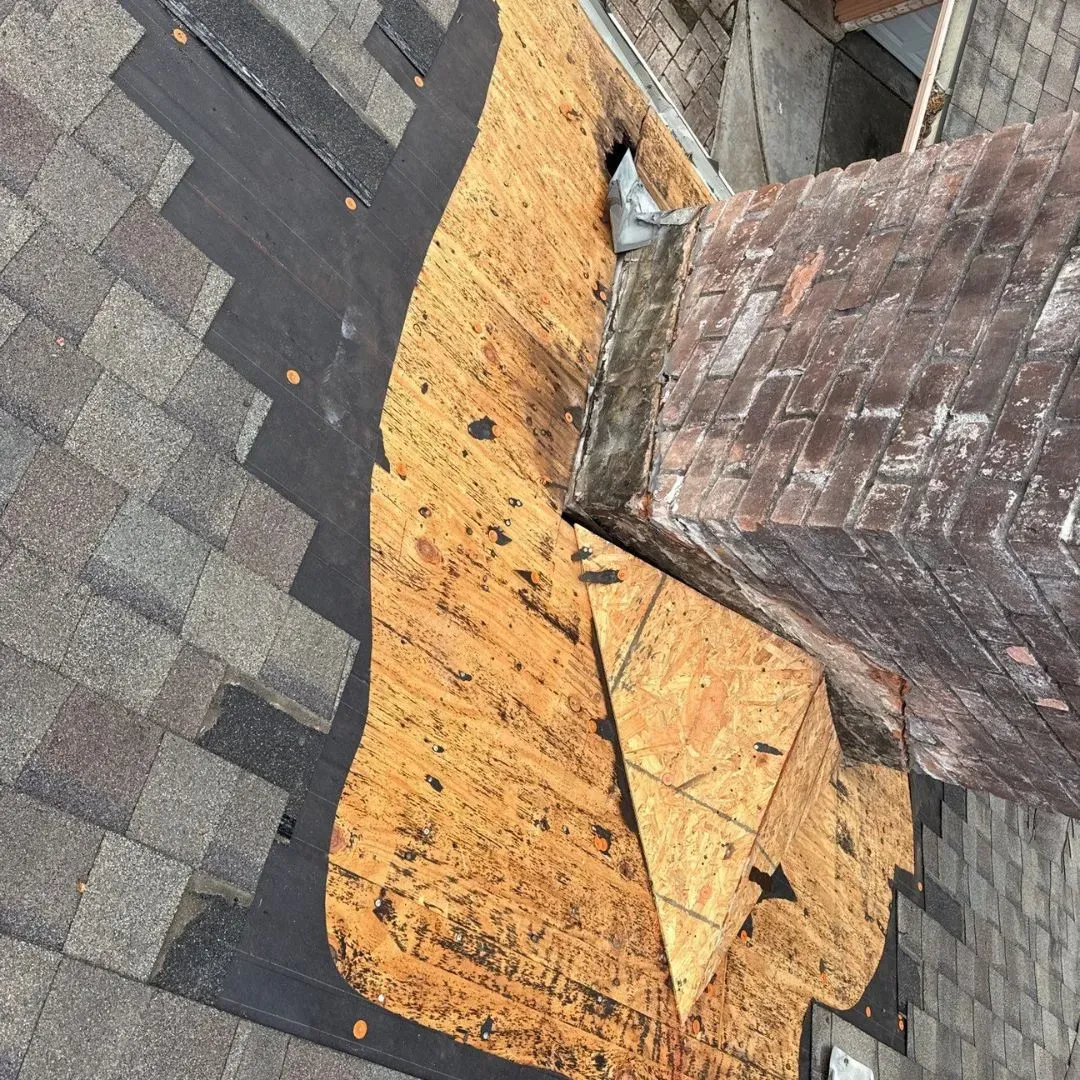
Flashing remains one of the important components to inspect when water is getting into a home.
It's commonly installed around:
- Chimneys
- Plumbing vents
- Skylights
- Roof-to-wall transitions
- Valleys
- Other penetrations
Achilles identifies flashing failures among the leak-related problems it encounters in The Woodlands.
If water is appearing inside the home, the entire surrounding roofing system should be evaluated rather than assuming leaves or tree debris are responsible.
8. Watch for Changes Inside the House Too
Some roofing problems are easier to notice indoors.
Check upper-floor ceilings and walls periodically for:
- Brown or yellow stains
- Damp areas
- Peeling paint
- Bubbling drywall
- New discoloration
If the attic can be accessed safely, look for damp insulation, stained decking, or moisture around roof penetrations.
Remember that water doesn't necessarily drip straight down from the point where it entered.
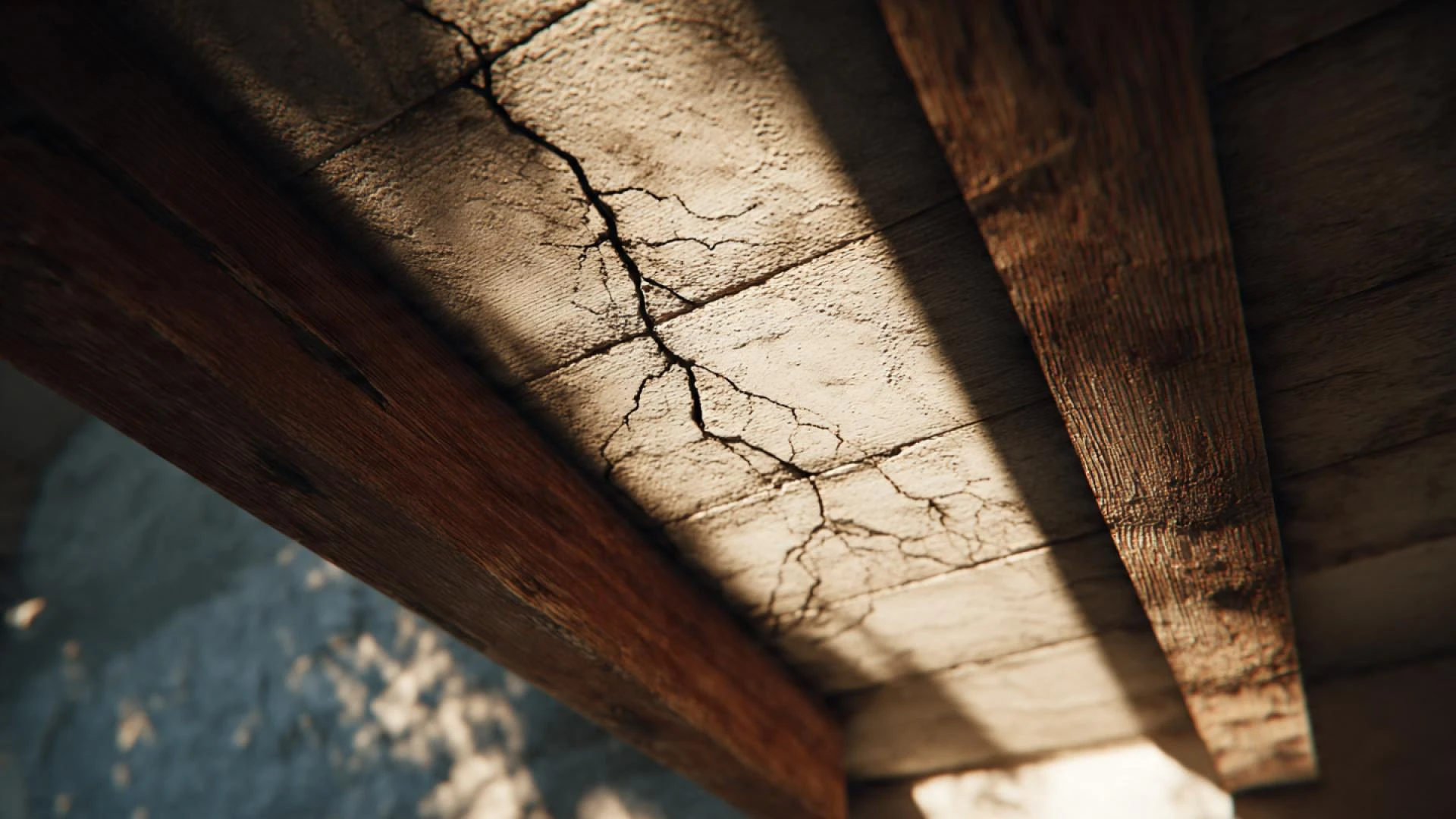
Achilles notes that roof leaks can travel along decking or rafters before becoming visible through drywall, which is why the interior stain may be located away from the actual roof defect.
When Does a Roofing Problem Need Repair?
Finding leaves in a valley doesn't automatically mean your roof needs professional repair.
Neither does finding a few twigs after a storm.
Repair becomes relevant when inspection identifies an actual defect, such as damaged shingles, compromised flashing, a leaking penetration, or another component that is no longer performing properly.
Professional Houston roof repair should address the source of the problem rather than simply treating the visible symptom.
For example, if water appears on a ceiling, the goal isn't merely to cover the stain. It's to trace where the water entered the roofing system and repair that location.
A Simple Roof Routine for Tree-Covered Homes
Homeowners don't need to constantly worry about every branch or pine needle.
A simple routine can go a long way.
After major storms, walk around the property and look for obvious changes.
Periodically check visible gutters and valleys for heavy debris accumulation.
Keep an eye on overhanging or damaged branches.
Watch ceilings for new stains.
And if something changes, investigate it rather than waiting for the next storm.
The trees surrounding a home are part of what makes The Woodlands distinctive. The goal isn't to eliminate them—it's to account for the conditions they create around the roofing system.
For homeowners who notice roof damage, recurring leaks, or other concerns, Achilles Roofing & Exterior provides roof inspections, repairs, replacements, and installation services in The Woodlands and throughout the Houston area.
























Sign in to leave a comment.