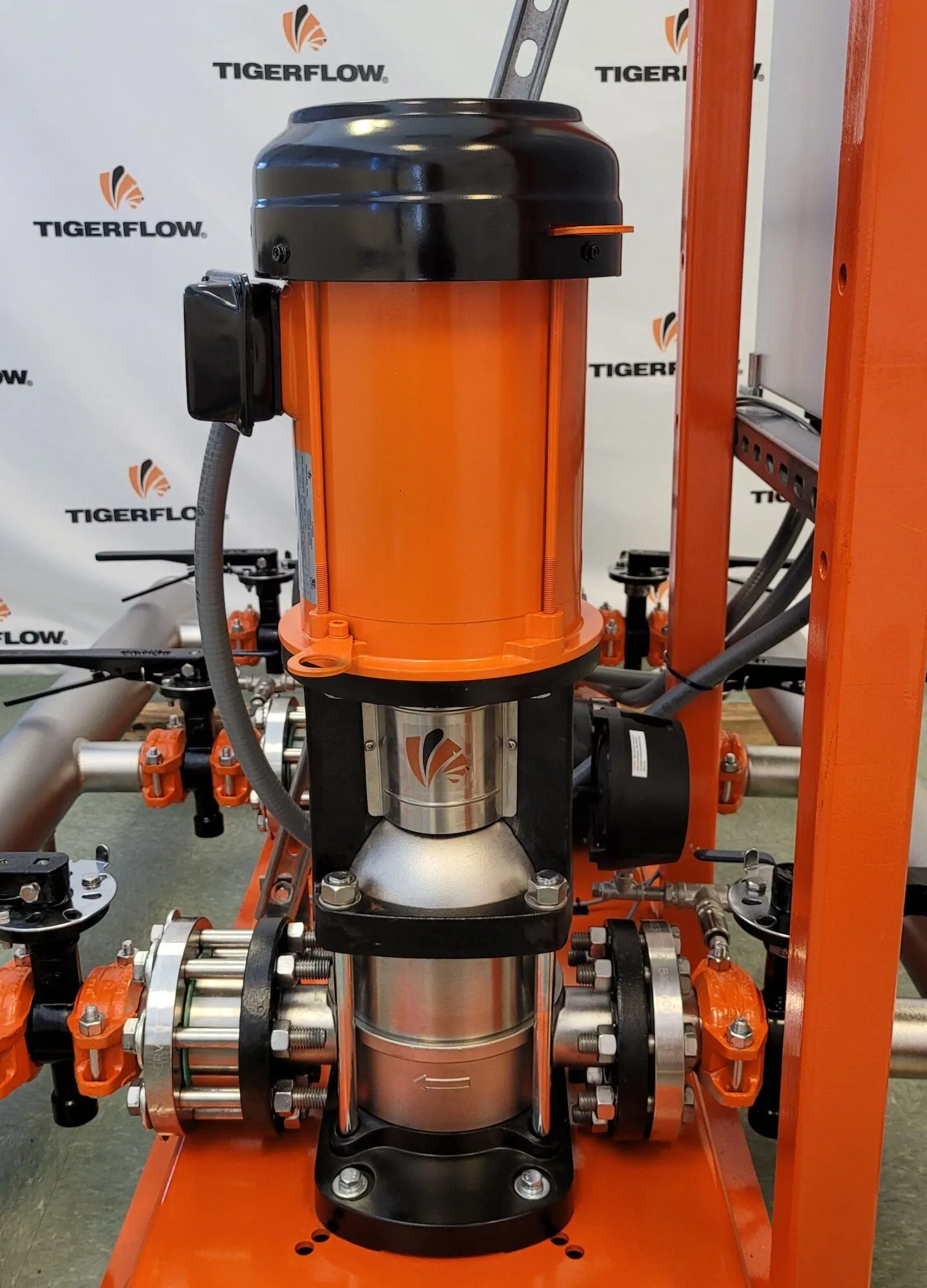

Compliance does not begin at inspection. It begins much earlier, during equipment selection, layout planning, and product review. In water pressure applications, the pump system often affects safety, performance, documentation, and long-term maintenance.
That is why UL listed pump systems matter in commercial and industrial settings. They support a more organized path for design teams, contractors, and facility operators that need dependable equipment and cleaner approval processes.
Why Listing Matters in Water Pressure Applications
A listed pump system helps bring more clarity to the project. It gives engineers and specifiers a stronger base when they review equipment for code alignment, installation planning, and system safety.
That does not replace proper design work or field execution. It does, however, help reduce uncertainty during submittals and equipment review, especially when a project needs pressure boosting equipment for critical building functions.
Better Compliance Depends on More Than the Label
The listing is important, but it is only one part of the bigger picture. A pump still has to match the application, the water source, the pressure demand, and the operational goals of the building.
Strong compliance comes from selecting equipment that fits the job without forcing a general solution into a specialized system. That is where well-defined pump options help move the project in the right direction.
Pump Types That Support Different Building Needs
Different facilities need different pump designs. A pressure boosting package for potable water systems is not the same as a pump built for groundwater or well water service. The right choice depends on the use case, the control strategy, and the system layout.
Several pump options virtually support these needs:
- Vertical multistage pumps for potable water pressure boosting.
- End suction pumps for multiple water pressure boosting applications.
- Simplex booster systems with integrated controls and compact design.
- Submersible pumps for groundwater and well water pressure boosting.
Integrated Booster Systems Help Simplify Control
Packaged booster equipment can help reduce coordination problems during design and installation. When pressure control features are built into the system, the project team may spend less time sorting out separate components in the field.
UL listed pump systems are built with that in mind. It includes an integrated VFD, a permanent magnet motor, automatic pressure control, and a bladder tank. That combination supports compact installation and more direct pressure management.
Submersible Options Support Groundwater and Well Water Projects
Not every project is built around potable water boosting inside the building. Some systems need to move groundwater or well water as part of the site or facility setup. In that case, pump construction and placement matter just as much as performance.
The WD Submersible Pump supports that type of work. It is built for pressure boosting in groundwater and well water applications, making it a practical option when the project calls for a submersible format instead of a surface-mounted pump arrangement.
Common Compliance Problems Often Start During Selection
Many compliance issues do not begin with a failed inspection. They begin when the wrong equipment is selected, the application is poorly defined, or the project lacks system coordination during review.
These problems show up in familiar ways:
- Product submittals that do not match the intended use
- Equipment that does not align with the water source
- Missing control features for the pressure demand
- Confusion between packaged systems and field-built assemblies
- Weak coordination between design intent and installed equipment
When those gaps appear early, the project usually pays for them later in delays, revisions, or field corrections.
Technical Support Strengthens the System Approach
A pump is only one part of the final result. Good project outcomes also depend on knowledgeable support during design and system development. When a team can work with experienced representatives, it becomes easier to select the right product and shape a complete system around the application.
That kind of partnership helps close common gaps between design intent and field reality. It supports better coordination, clearer system choices, and a more complete path from planning through installation.
Why UL Listed Pump Systems Matter for Long-Term Performance
Compliance is not only about getting through the first review. It is also about choosing equipment that supports safer, more reliable operation after the system is installed. That matters even more in buildings where water pressure affects daily function and service continuity.
UL listed pump systems support that goal by helping teams make stronger equipment decisions early. When listing, application fit, integrated controls, and system support come together, the project is easier to approve and easier to operate.
Final Words
Better compliance usually comes from better choices, not rushed fixes. Pump systems need to match the building, the water source, the pressure goals, and the project review process. A poor fit can create friction fast, while a strong fit supports smoother execution.
That is why UL listed pump systems remain a smart choice for many commercial and industrial projects. When paired with the right pump type, the right control features, and the right technical partnership, they support a clearer path to approval, operation, and long-term system value.
























Sign in to leave a comment.