

Giving a pet its medication is not always as simple as opening a bottle and measuring a dose. Cats spit out pills, dogs refuse certain flavors, and some animals need doses that do not match what a manufacturer produces. Veterinary compounding addresses these problems by allowing a pharmacist to prepare a customized version of a medication suited to a specific animal's needs. This article looks at what veterinary compounding involves, when it is used, and how pet owners can access it.
What Veterinary Compounding Means
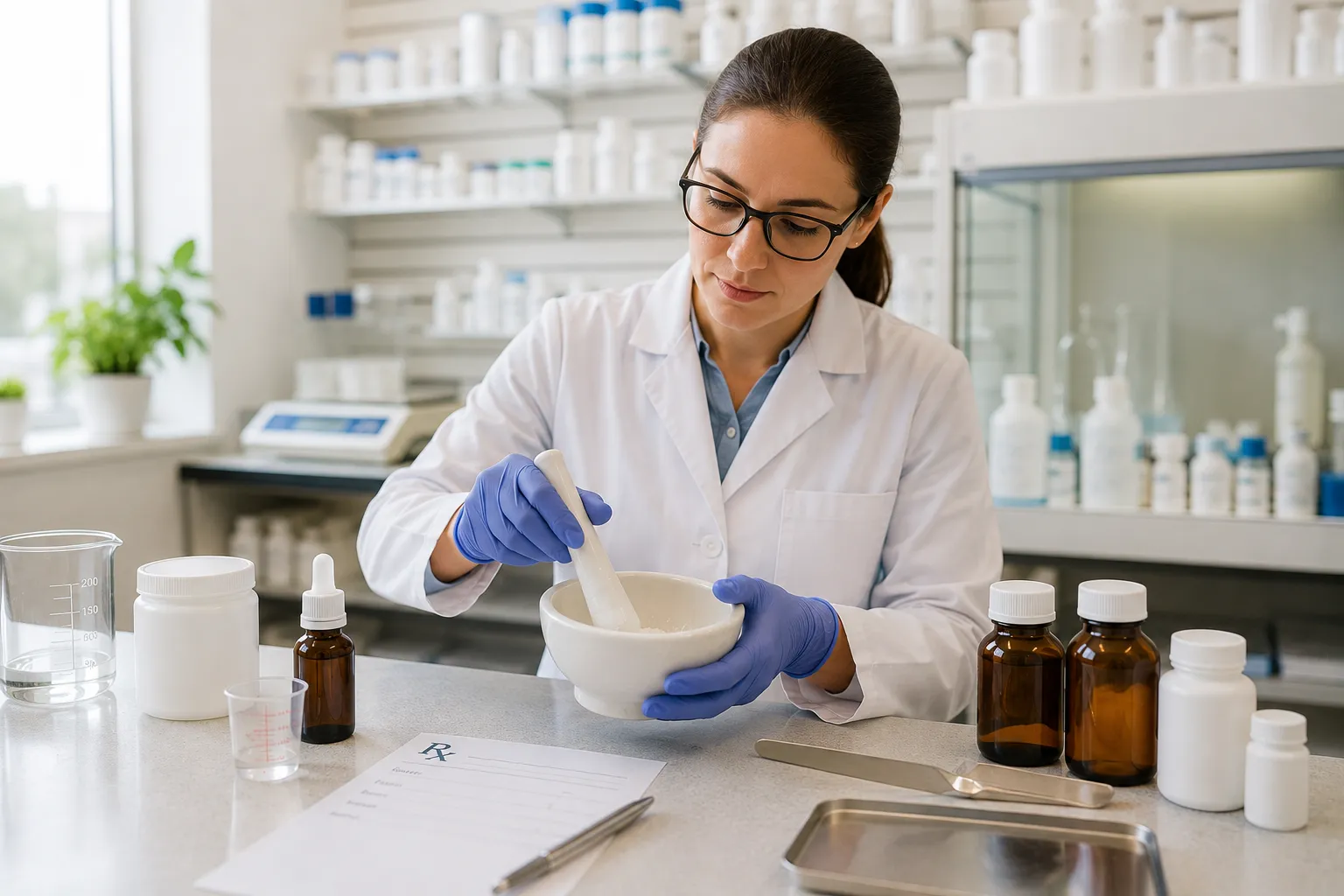
Veterinary compounding is the practice of preparing a medication for an animal patient by altering its strength, form, or ingredients based on a veterinarian's prescription. Unlike commercially manufactured pet medications, which come in fixed doses and standard formats, a compounded medication is made individually for one animal at a time.
This process is done by a licensed pharmacist, often working directly with a veterinarian to confirm the correct dose and formulation. A Brampton compound pharmacy that offers this service typically has the equipment and training needed to prepare small batches safely, following strict guidelines for accuracy and sterility.
Why Standard Medications Do Not Always Work for Pets
Most medications on the market are designed with human dosing in mind, then adjusted for larger animals like dogs. This creates a mismatch for smaller animals, exotic pets, or animals with unique health conditions. A few common issues drive the need for veterinary compounding.
Dosing Mismatches
A medication made for a large dog may be far too strong for a cat or a small breed dog. Cutting or splitting standard tablets is not always accurate, and splitting can be dangerous for medications that are not designed to be divided. Compounding solves this by preparing the exact dose an animal needs rather than forcing an owner to guess based on a tablet meant for a different size of patient.
Flavor and Form Resistance
Pets are known for refusing medication, whether it is a pill hidden in food or a liquid that tastes bitter. Veterinary compounding allows a pharmacist to change the flavor of a medication, often to something more appealing like chicken, beef, or fish, which can make administration easier for both the pet and the owner.
Allergies to Inactive Ingredients
Standard medications often contain fillers, dyes, or preservatives that are not the active drug itself but can still trigger reactions in sensitive animals. A compounded version can remove these inactive ingredients while keeping the necessary active ingredient intact.
Unavailable Combinations or Discontinued Products
Sometimes a specific medication or combination of drugs is no longer manufactured, or it was never produced in a form suitable for animals. Compounding can recreate these formulations based on a veterinarian's specifications, giving pet owners access to treatment that would otherwise be unavailable.
Common Forms of Compounded Medication for Pets
Veterinary compounding is not limited to a single method of delivery. Depending on the animal and the medication, a pharmacist can prepare several different forms.
Flavored Liquids and Suspensions
Liquid medications are useful for pets that cannot swallow pills or for owners who find liquid dosing easier to manage. These can be flavored to improve acceptance.
Transdermal Gels
For pets that are especially difficult to medicate orally, some medications can be compounded into a gel applied to the skin, often inside the ear, where it absorbs into the bloodstream. This method is more commonly used for cats and is typically reserved for specific medication types that are suitable for transdermal delivery.
Chewable Treats
Compounding medication into a treat form can make administration far less stressful for both pet and owner, particularly for animals that associate treats with something positive rather than something to avoid.
Capsules With Adjusted Dosing
For pets that need doses between standard sizes, capsules can be compounded to contain the exact amount required, removing the need to estimate or split commercial tablets.
The Process of Getting a Compounded Medication
Veterinary compounding starts with a prescription from a veterinarian, who determines that a standard medication is not suitable for the animal in question. The prescription is then sent to a pharmacy equipped to handle compounding work.
A pharmacist reviews the prescription, confirms the correct dose based on the animal's weight and condition, and selects an appropriate base and flavor if applicable. The medication is prepared in a controlled environment to maintain accuracy and cleanliness, then labeled with dosing instructions specific to that animal.
Praxora Pharmacy is an example of a Brampton compound pharmacy that provides this type of service, working alongside veterinarians to prepare customized medications for pets with dosing or administration challenges. Pet owners considering this option should confirm with their veterinarian whether a compounded formulation is appropriate for their animal's specific condition.
What Pet Owners Should Know Before Using Compounding
Compounded medications are not regulated in the same way as commercially manufactured drugs, since each preparation is made individually rather than tested in large-scale trials. This means pet owners should rely on a pharmacy with proper training and a clear quality control process. Working with a veterinarian who communicates directly with the compounding pharmacist helps ensure the dose and formulation match what the animal actually needs.
Storage instructions also matter more with compounded medications, since some formulations have a shorter shelf life than commercially produced products. Pet owners should ask about proper storage and expiration timelines when picking up a compounded prescription.
Summary
Veterinary compounding gives pet owners and veterinarians a way to address dosing challenges, flavor resistance, and ingredient sensitivities that standard medications cannot always solve. From adjusting a dose for a small animal to changing a medication's form entirely, compounding fills a gap in pet care that commercial products often cannot reach. Pet owners facing difficulty medicating an animal can ask their veterinarian whether a compounded option through a qualified pharmacy might help.





















Sign in to leave a comment.