How Waste to Hydrogen Technology Supports Net Zero

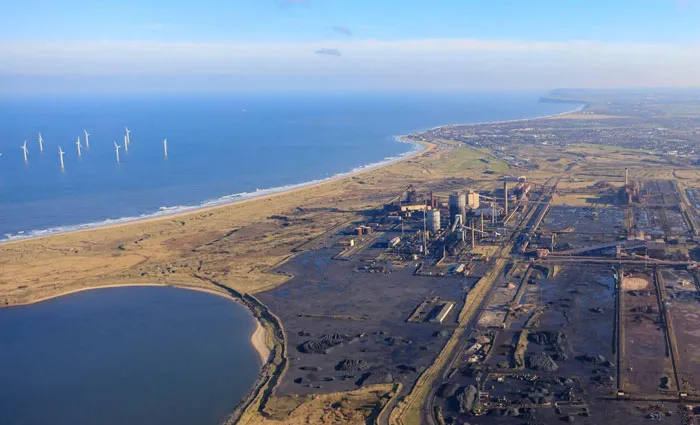
Net zero is easy to say and hard to deliver. Cleaning up electricity was the straightforward bit. What’s left, such as heavy industry, haulage and the mountain of waste we still can’t recycle, is far trickier. Waste to hydrogen technology tackles two of those problems at once, which is why it’s getting more attention.
The waste problem nobody talks about
The UK recycles plenty, but a large amount of material is still left over: dirty plastics, mixed packaging, tyres, shredded car parts, commercial waste with no obvious home. Much of it goes to landfill, where it can release methane, or to incineration, which releases carbon dioxide and uses up a one-way resource.
Both routes work against net zero. Waste to hydrogen offers a different ending for the same material.
How it works
HTE Group, based in Broadstairs, Kent, is developing a plant that uses plasma-assisted gasification. Rather than burning waste, the process breaks it down in a sealed, oxygen-controlled chamber at temperatures above 3,000°C. At that heat the material separates into its basic elements, and the organic part turns into syngas.
Hydrogen is then pulled out of that gas and purified to fuel cell grade, meeting the ISO 14687-2 standard. Two other outputs matter just as much. The carbon dioxide is captured rather than released, so it can be used or stored. The non-organic leftovers melt into an inert slag, which HTE says can be reused as construction aggregate.
HTE says that because this is gasification rather than combustion, it doesn’t produce dioxins or toxic fly ash. That’s a claim worth seeing confirmed through the permitting process, and the company expects that scrutiny.
Where the carbon savings come from
Net zero is a numbers game, so it helps to be specific. A waste to hydrogen plant can cut emissions in three ways.
First, it keeps waste out of landfill and incinerators, avoiding the methane and CO2 that come with them. Second, it makes hydrogen that can replace fossil gas and diesel in industry and transport. Third, capturing the CO2 inside the process stops it reaching the atmosphere.
HTE’s flagship Manston Hydrogen Park in Kent is designed to reduce emissions by around 109,000 tonnes a year by displacing fossil fuels. That’s the company’s own estimate, so independent verification will matter as the project moves forward.
Where hydrogen does the heavy lifting
Some sectors can’t simply plug in. Steel and chemical plants need intense heat. Lorries and ships need dense, quick-to-refill fuel. Hydrogen suits those jobs, and when it’s used it produces water rather than carbon. Making it from waste means the fuel arrives alongside a disposal solution, rather than competing with one.
Not a rival to green hydrogen
Green hydrogen, made by splitting water with renewable electricity, will be a big part of the future. It needs a lot of wind and solar power, though, and the supply chain is still maturing. Waste-derived hydrogen can start earlier, using a feedstock we already have. The two sit side by side. Blue hydrogen, waste to hydrogen and green hydrogen will probably all be needed to meet the 2050 target.
What has to go right
Hydrogen still costs more than natural gas, and no plant gets built without long-term customers lined up. So the first buyers, likely heavy industry and transport operators, matter a great deal.
There are two other things to watch. One is transparency: net zero claims need open, checkable carbon reporting. The other is feedstock. A plant like this should only take genuinely non-recyclable waste, so it never becomes a reason to recycle less.
The wider payoff
Beyond emissions, projects like this bring skilled jobs to coastal and industrial areas, reduce reliance on imported gas, and turn a cost into a product. Kent is a sensible place to start, with ports, industry and transport links close by.
The takeaway
No single technology gets the UK to net zero. What waste to hydrogen offers is practical: take material we already have too much of, turn it into a fuel we badly need, and keep the carbon out of the air while doing it. HTE Group has set out a plan for exactly that, and the coming years will show whether it can be delivered at scale. If it can, it’ll be a useful piece of the puzzle.
Frequently Asked Questions
What is waste to hydrogen technology?
It turns non-recyclable waste into hydrogen fuel. Instead of burning the waste, the process breaks it down in a sealed, oxygen-controlled environment and extracts hydrogen from the gas that results.
How does HTE Group’s process work?
HTE uses plasma-assisted gasification. Waste is exposed to temperatures above 3,000°C, which breaks it into its basic elements and produces syngas. Hydrogen is then separated and purified to fuel cell grade (ISO 14687). The carbon dioxide is captured, and the leftover inorganic material becomes an inert slag.
What types of waste can be used?
Household residual waste, hard-to-recycle commercial plastics and timber, automotive shredder residue, tyres, biomass, medical waste and decommissioned wind turbine blades. The focus is on material that would otherwise go to landfill or incineration.
How does waste to hydrogen help the UK reach net zero?
It reduces emissions in three ways: it keeps waste out of landfill and incinerators, it produces hydrogen that can replace fossil gas and diesel, and it captures carbon dioxide inside the process. HTE says its Manston Hydrogen Park is designed to cut around 109,000 tonnes of emissions a year.
Is waste to hydrogen the same as green hydrogen?
No. Green hydrogen is made by splitting water using renewable electricity. Waste-derived hydrogen comes from processing waste. Both can support net zero, and the UK will likely need both.







Sign in to leave a comment.