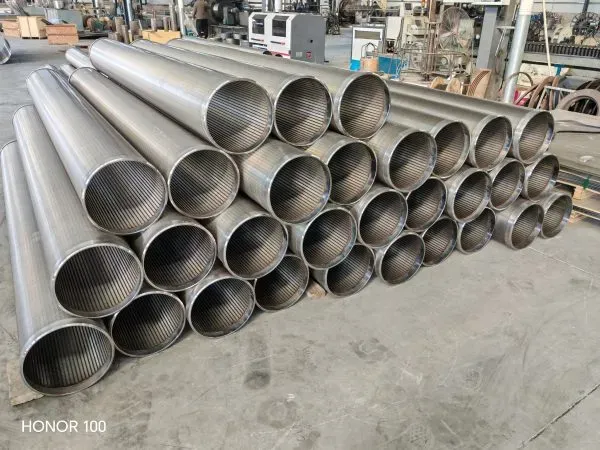

Water management is a critical concern for both industrial and residential sectors worldwide. Whether you rely on groundwater for agricultural irrigation, household usage, or industrial processes, the reliability and efficiency of your well are paramount. However, many well owners face challenges related to water contamination, inefficient flow, and the overall lifespan of their wells. One component that plays a fundamental role in addressing these issues is the Water Well Screen.
As groundwater becomes an increasingly valuable resource, the demand for effective and sustainable well solutions continues to grow. Water Well Screens not only prevent unwanted particles from entering the well but also enable optimal groundwater extraction, thereby enhancing the performance and longevity of the entire borehole system.
Understanding Water Well Screens
A Water Well Screen is essentially a filter that plays a crucial role in any groundwater extraction system. Situated at the bottom section of a well casing, it is designed to allow water to flow into the well while blocking sediment, sand, and other unwanted particulates from entering. This mechanism not only ensures the cleanliness of the extracted water but also protects the well pump and other system components from abrasion and clogging.
The Role of Water Well Screens in Well Performance
To fully appreciate the impact of Water Well Screens, it's important to understand the consequences of not having an efficient screen or forgoing a screen altogether. Wells without proper screening are susceptible to rapid clogging from silt and sand. This not only reduces water flow but also accelerates the wear and tear of pumping equipment. As a result, the well's efficiency drops significantly, leading to increased maintenance costs and, potentially, premature well failure.
Conversely, a high-quality Water Well Screen offers the following performance benefits:
- Enhanced Water Flow: The carefully engineered slots or holes in Water Well Screens allow groundwater to enter the well freely while effectively excluding larger particles. This promotes steady, unrestricted water extraction, maximizing the yield of your well.
- Reduced Pump Wear: By preventing sediment from entering the well, Water Well Screens drastically minimize the risk of pump abrasion, helping maintain optimal operational efficiency and reducing the frequency of costly repairs.
- Consistent Water Quality: Water Well Screens act as a preliminary barrier against contaminants, ensuring that the water entering the well is as clean as possible before it is pumped to the surface for further use or treatment.
- Preventing Well Clogging: Sedimentation is a common problem in wells, leading to blockages that impair performance. Quality Water Well Screens keep the wellbore open and functional, safeguarding consistent water delivery.
- Energy Efficiency: With less foreign material to block the screen or damage system parts, the pump doesn't have to work as hard. This translates to significant energy and cost savings over the operational life of the well.
Types of Water Well Screens
There are several types of Water Well Screens, each designed for specific geological conditions, water chemistry, and operational requirements. Some of the most common types include:
- Slotted Pipe Screens: Featuring narrow, evenly spaced slots, these are easy to manufacture and ideal for wells where the aquifer consists of relatively coarse-grained sand or gravel.
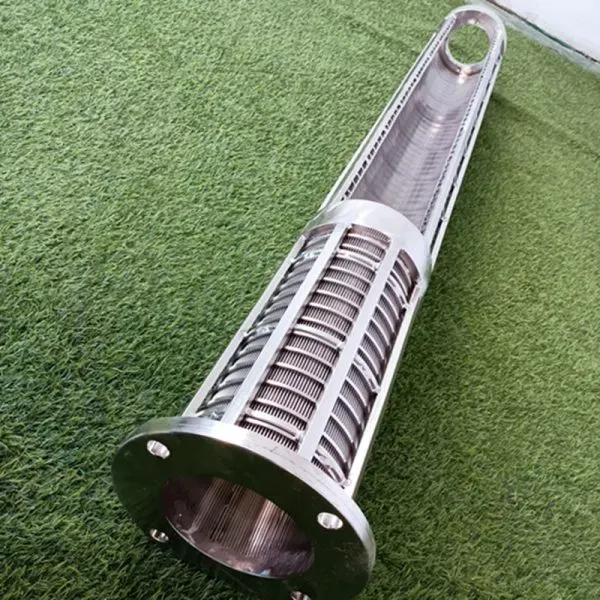
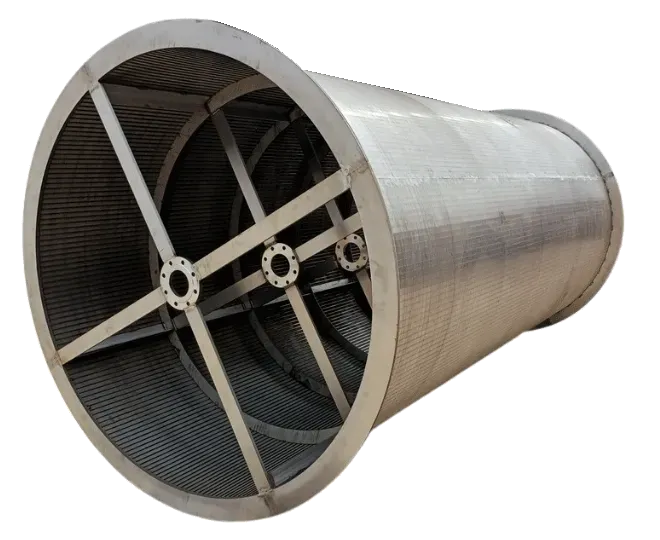
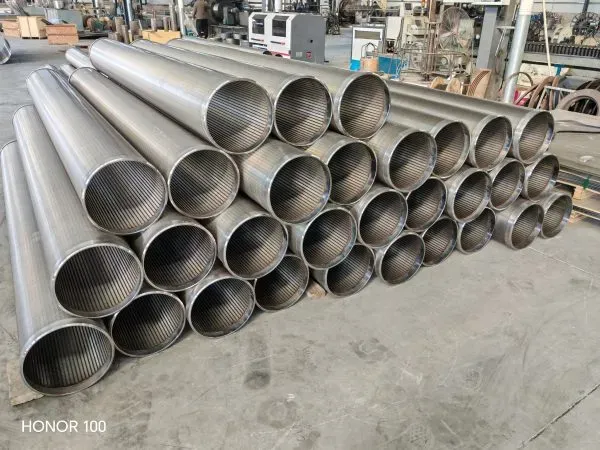
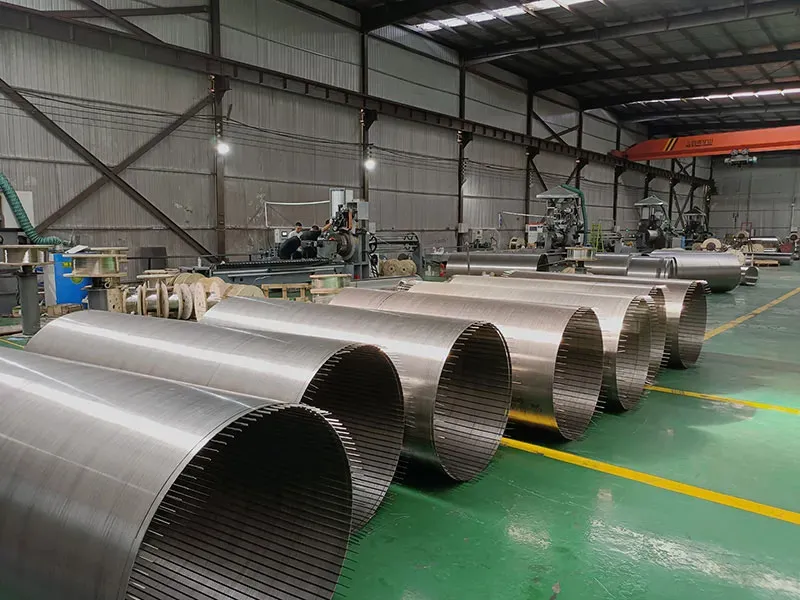
- Wire Wrapped Screens (Continuous Slot Screens): Made by helically wrapping V-shaped wire around a set of longitudinal rods, these are favored for their high open area and precise slot dimensions. They offer superior filtration and are less likely to clog.
- Perforated Pipe Screens: Created by drilling holes in steel or plastic pipes, these are economical but not as effective for fine sediment exclusion as wire-wrapped screens.
- Mesh Screens: Constructed from various wire mesh configurations, these are suitable for fine filtration and custom applications.
At Anping County BT Wire Mesh Products Co.,Ltd, our Water Well Screens are available in a wide range of materials, slot sizes, and configurations to meet the unique demands of every project.
Materials: Why Quality Matters
The material used in the construction of a Water Well Screen is paramount to ensuring its long-term durability and performance. The most common materials include:
- Stainless Steel: Highly corrosion-resistant, stainless steel Water Well Screens are ideal for wells where water chemistry poses a risk of corrosion. Stainless steel also offers high mechanical strength and can withstand abrasive environments.
- Low-Carbon Steel: Suitable for less aggressive environments, with appropriate anti-corrosion coatings.
- PVC: Lightweight and corrosion-proof, but can be more vulnerable to deformation under pressure or in deep wells.
High-quality stainless steel Water Well Screens, such as those manufactured by Anping County BT Wire Mesh Products Co.,Ltd, provide the optimal balance of strength, longevity, and resistance to chemical and microbial corrosion. This is especially important for wells that are intended to serve over multiple decades.
Design Features That Enhance Well Performance
Not all Water Well Screens are created equal. Several crucial design features can significantly impact a screen's performance and the overall efficiency of your well:
- Slot Size and Shape: The size and shape of the slots determine what size of particles are excluded from the well. Precision in slot design is essential for matching the screen to the surrounding aquifer material. Slots that are too wide will allow in sand and silt; too narrow, and they will impede water flow.
- Open Area: A higher open area in the Water Well Screen allows more water to enter the well, reducing entrance velocity and the likelihood of clogging. It also decreases the drawdown around the well, improving efficiency.
- Length and Diameter: The dimensions of the screen must correspond to the well’s depth and diameter, as well as the expected output. Custom-sized screens can dramatically improve both yield and lifespan.
- Non-Clogging V-Shape Wire: Advanced Water Well Screens utilize a V-shaped profile wire that resists clogging significantly better than flat or round wire screens.
- Reinforced Construction: For deep or high-capacity wells, screens need to withstand significant mechanical and hydraulic forces. Reinforced or multi-layer constructions extend the service life of Water Well Screens.
Extending the Longevity of Your Well
The longevity of a well is influenced by multiple factors, including geological conditions, pumping regime, and—critically—the selection and maintenance of the Water Well Screen. Here’s how a properly specified and maintained Water Well Screen can add years, even decades, to your well’s productive life:
- Corrosion Resistance: By selecting Water Well Screens made from corrosion-resistant alloys (like stainless steel), you protect your investment from the inside out, particularly in aggressive water chemistries.
- Structural Integrity: Screens that resist deformation ensure the well casing remains intact, even under variable groundwater pressures, preventing costly collapses or repairs.
- Low Maintenance: Efficient screening results in fewer interventions, less downtime, and reduced maintenance costs.
- Consistent Output: Maintaining the open area and cleanliness of the screens ensures your well continues to deliver at or near its original design capacity, far into the future.

Choosing the Right Water Well Screen
The selection process for Water Well Screens is not one-size-fits-all. Several key factors need to be considered to achieve optimal results:
- Well Bore Size and Depth: The screen must fit perfectly within the casing and withstand the hydrostatic forces at the intended depth.
- Aquifer Properties: Fine, silty formations require fine slots or mesh; coarser sands can be managed with larger slots.
- Expected Yield: Higher flow rates call for screens with larger open areas or reinforced construction.
- Water Chemistry: Corrosive environments necessitate stainless steel or specialized coatings.
- Budget and Lifecycle Cost: While initial investment is always important, lower maintenance and repair costs with higher-quality Water Well Screens often offset a higher upfront price.
At Anping County BT Wire Mesh Products Co.,Ltd, our technical team can assist you in specifying the ideal Water Well Screen for your application, ensuring both performance and cost-effectiveness.
Installation and Maintenance Tips
Proper installation and regular maintenance are essential for maximizing the life and performance of your Water Well Screen:
Installation Best Practices:
- Ensure the screen is centered and fully sealed to prevent bypass flows.
- Avoid damage to the screen during lowering and placement—mechanical impacts can deform the slots.
- Use appropriate gravel packs around the screen to enhance filtration and stability.
- Flush the well after installation to remove fines loosened during drilling.
Maintenance Guidelines:
- Inspect the well regularly for signs of decreased flow, which may result from clogging.
- Perform periodic surging or airlifting to agitate and remove accumulated sediments.
- Consider chemical cleaning treatments if iron or bacterial fouling is detected.
- Replace damaged or corroded screens promptly to avoid systemic well damage.
The importance of Water Well Screens in optimizing a well’s performance and extending its operational lifespan cannot be overstated. They are the first line of defense against sediment intrusion, pump damage, and declining water quality. Choosing the right Water Well Screen—manufactured from premium materials and tailored for your unique geological conditions—is an investment not only in your immediate water needs but also in the future reliability of your water source.
Frequently Asked Questions (FAQ)
Q1: Why are Water Well Screens necessary for all types of wells?
A: Water Well Screens are critical for protecting the well system from sediment infiltration, ensuring efficient flow, preventing pump abrasion, and maintaining water quality. They are essential, irrespective of the well’s purpose (residential, agricultural, or industrial).
Q2: How do I determine the correct slot size for my Water Well Screen?
A: Slot size depends on the grain size of the surrounding aquifer material. A sieve analysis of the formation should be conducted to select a slot size that allows maximum water entry while excluding most of the formation particles.
Q3: How long do Water Well Screens typically last?
A: The lifespan depends on material quality, well environment, and maintenance. Stainless steel Water Well Screens in mild conditions can last 20–30 years or more, while less resilient materials may require replacement after several years.
Q4: Can a Water Well Screen be replaced if damaged?
A: Yes, but the process can be complex and may involve pulling the pump and other components, then re-drilling or relining the well. Preventative maintenance and periodic inspection can help avoid such costly repairs.
Q5: What maintenance does a Water Well Screen require?
A: Routine inspections, periodic surging or airlifting to remove sediments, chemical treatments for fouling (if necessary), and prompt replacement if significant wear or corrosion is detected.
Q6: Are stainless steel Water Well Screens worth the extra investment?
A: In most cases, yes. Stainless steel offers longevity, corrosion resistance, and high strength, leading to lower long-term maintenance and replacement costs, particularly in corrosive or demanding well environments.
Q7: How do Water Well Screens improve energy efficiency?
A: By reducing blockages and lowering entrance resistance, Water Well Screens ensure pumps operate at optimal efficiency, thus consuming less energy for the same volume of delivered water.

















Sign in to leave a comment.