How Wedding Photo Retouching Makes Special Moments Look Timeless

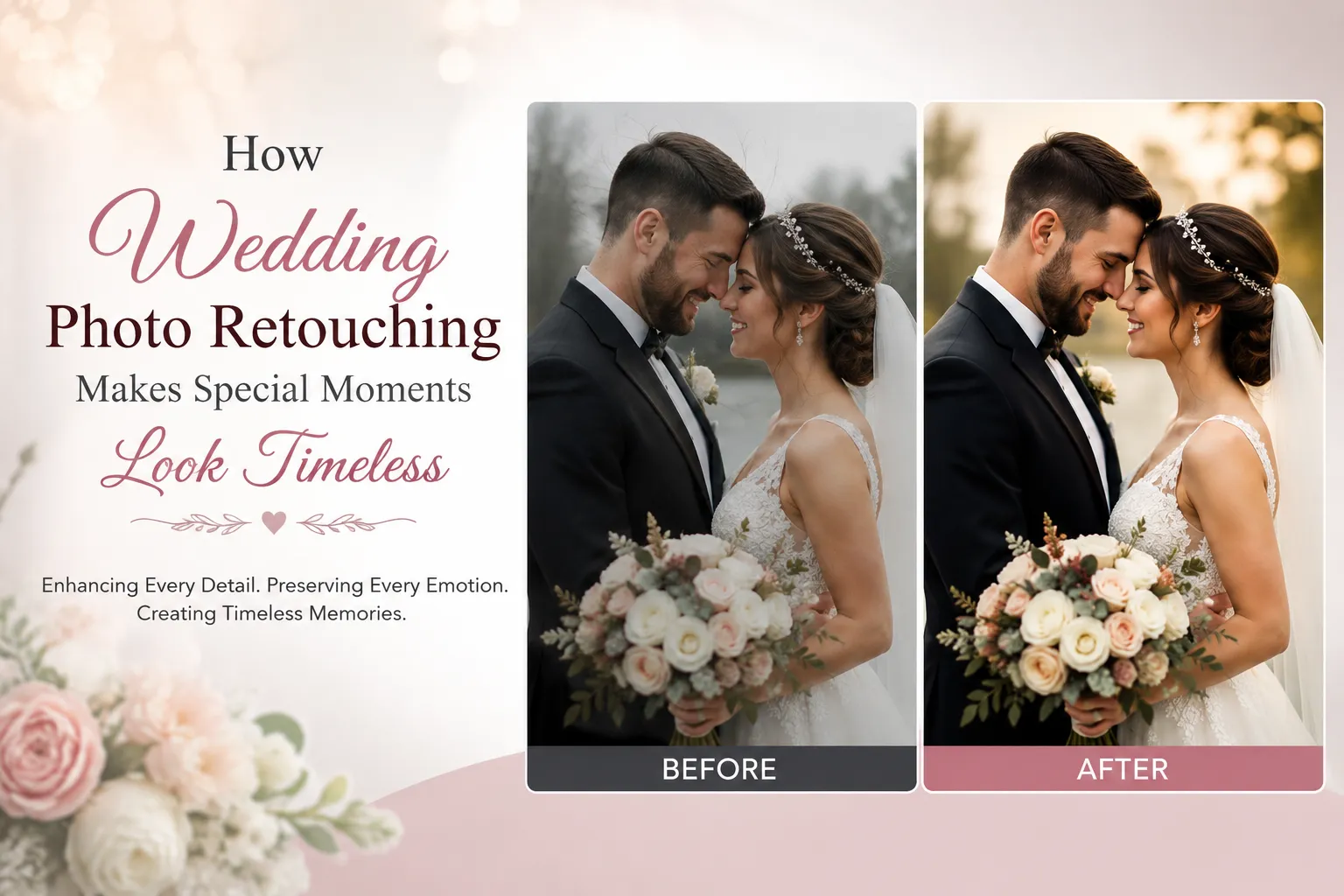
Wedding photography captures some of life's most meaningful moments. From the bride getting ready to the couple's first look, emotional family portraits, ceremony details, and joyful celebrations, every photograph tells part of the wedding story.
However, even photographs captured with professional cameras can require post-production. Difficult lighting, inconsistent colors, unwanted objects, skin imperfections, distracting backgrounds, and exposure problems can affect the final appearance of wedding images.
Professional wedding photo retouching helps photographers transform these raw photographs into polished images while keeping the emotions and natural beauty of the day intact.
What Is Wedding Photo Retouching?
Wedding photo retouching is the process of professionally enhancing wedding photographs after the event. It can involve correcting exposure and colors, refining skin tones, removing distractions, improving backgrounds, enhancing details, and preparing photographs for albums or digital delivery.
The objective is not to make every photograph look artificial. Instead, professional editing should enhance the image while preserving genuine expressions, natural skin texture, realistic colors, and the atmosphere of the wedding.
A wedding editing workflow may include bridal retouching, HDR correction, RAW image conversion, color correction, object removal, background editing, makeup enhancement, and other specialized adjustments.
Why Wedding Photo Editing Is Important
Wedding photographers often capture hundreds or even thousands of photographs during a single event. These images may be taken in changing lighting conditions, different locations, and rapidly changing environments.
As a result, individual photographs can have different exposure levels, white balance, colors, and backgrounds.
Professional editing helps create a consistent collection where the photographs look as though they belong together.
This is especially important for wedding albums because clients expect the entire collection to have a cohesive visual style.
8 Important Wedding Photo Retouching Techniques
1 Bridal Photo Retouching
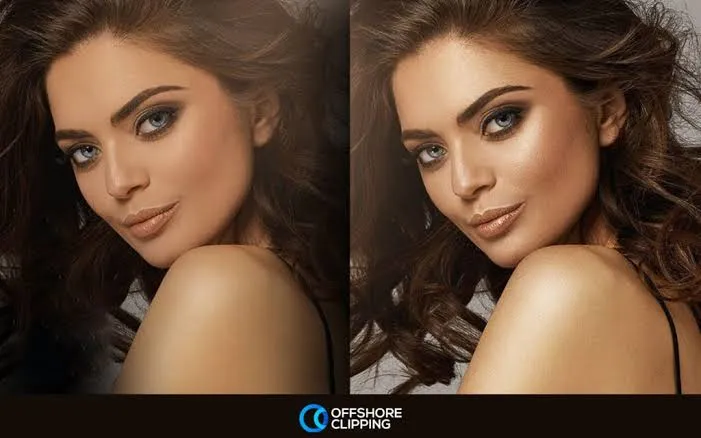
The bride is often the central subject of many wedding photographs. Bridal portraits may require detailed retouching to create a polished but natural appearance.
Professional editors can carefully reduce temporary blemishes, refine uneven skin tones, improve makeup details, and enhance facial features without removing the natural character of the bride.
The goal should be elegant enhancement rather than excessive smoothing.
2 Skin Tone Correction
Wedding photography can involve many different lighting environments, including indoor venues, outdoor ceremonies, reception halls, and evening locations.
These conditions can create inconsistent skin tones or unwanted color casts.
Professional color correction can help produce balanced and natural-looking skin tones throughout the wedding gallery.
3 HDR Correction
Wedding venues often contain a mixture of bright windows, darker interiors, artificial lighting, and shadows.
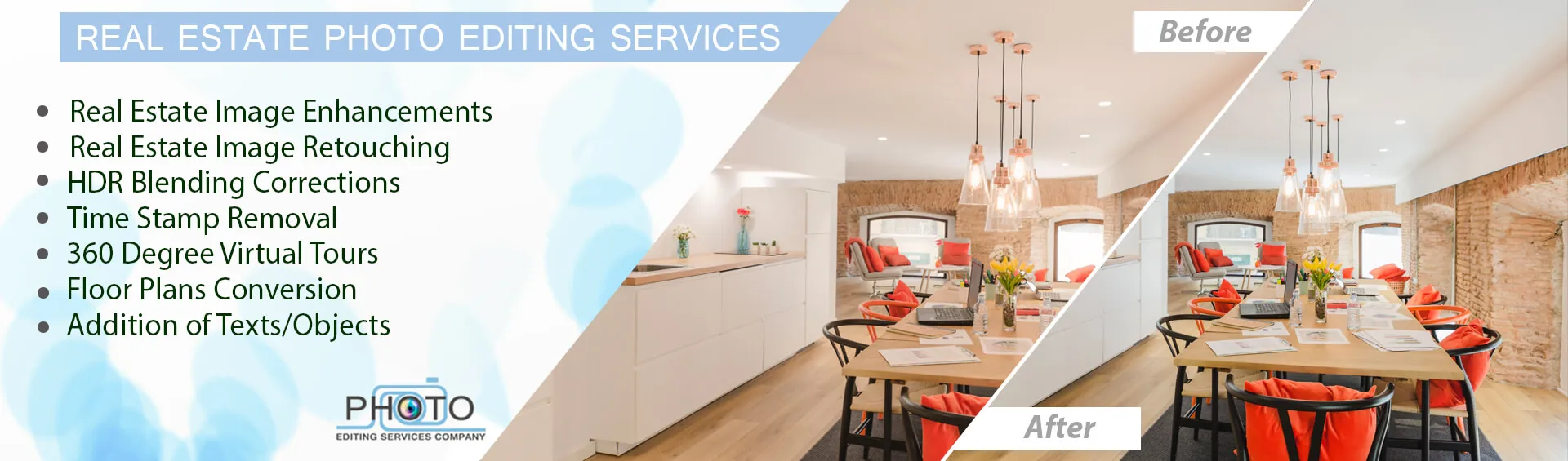
HDR editing can help balance different exposures and recover detail from highlights and shadows.
This can be particularly useful for ceremony venues, reception halls, architectural photographs, and indoor portraits.
4 Background Cleanup
Small distractions can take attention away from important wedding moments.
Editors can remove appropriate distractions such as unwanted objects, temporary clutter, minor background elements, and other visual interruptions.
Careful cleanup helps keep the focus on the couple and the emotion of the photograph.
5 Object Removal
Wedding venues can contain many temporary objects, including signs, cables, equipment, bags, bins, and other distractions.
Professional object removal can eliminate appropriate unwanted elements while reconstructing the affected areas naturally.
This is especially useful for hero portraits and album photographs where composition matters.
6 Makeup Enhancement
Professional retouching can refine makeup details and improve the overall appearance of bridal portraits.
Subtle adjustments can enhance lips, eyes, skin tones, and other makeup elements while keeping the result realistic.
The purpose is to complement the original makeup rather than replace it completely.
7 Body Retouching
Wedding portraits may sometimes require subtle adjustments to clothing, posture, or body proportions.
When requested, professional retouching can make restrained corrections while preserving the person's identity and natural appearance.
Subtle editing is important because wedding photographs should remain authentic representations of the people and memories being documented.
8 Color Grading
Color grading can give an entire wedding gallery a distinctive visual style.
Warm, soft tones may complement romantic photographs, while a more cinematic approach may suit dramatic portraits or evening celebrations.
The most important consideration is consistency. Applying a coherent style across the gallery helps the wedding album feel unified.
Wedding Photo Editing for Different Types of Images
Wedding photographers capture many different categories of photographs, and each may require a different editing approach.
Bridal Portraits
Bridal portraits often benefit from detailed skin retouching, color correction, makeup refinement, and background cleanup.
Couple Portraits
Couple portraits can benefit from exposure correction, skin tone balancing, distraction removal, and subtle retouching.
Group Photos
Group photographs require careful attention because multiple faces, skin tones, clothing colors, and expressions appear in the same frame.
Ceremony Photos
Ceremony photographs often present challenging lighting conditions. Exposure correction, HDR blending, color correction, and shadow recovery can help improve these images.
Reception Photos
Reception photographs may be captured under low or mixed lighting. Professional editing can balance colors, improve exposure, and enhance the atmosphere without making the images look unnatural.
Detail Photos
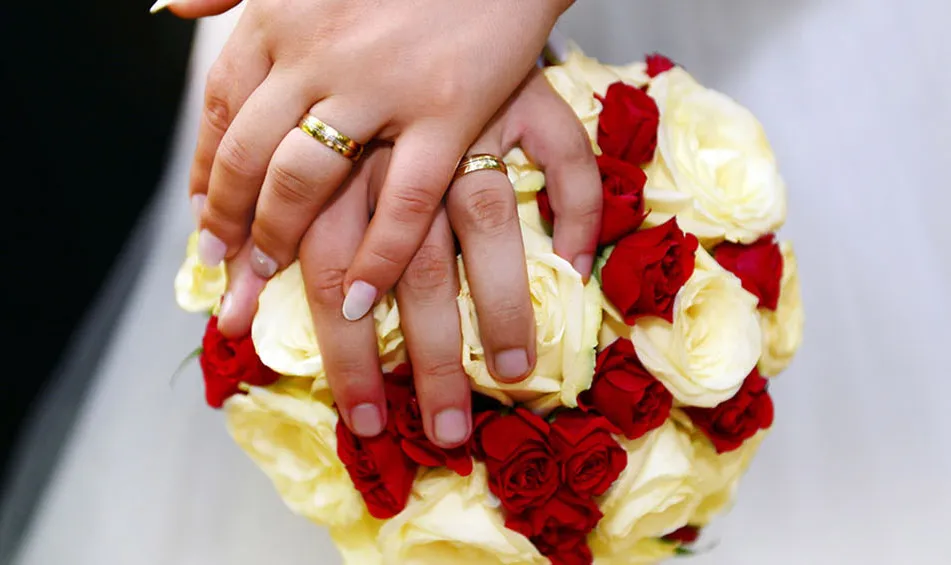
Rings, flowers, invitations, décor, jewelry, and other details can benefit from sharpening, color enhancement, exposure correction, and careful retouching.
Why Consistency Matters in a Wedding Album
A wedding album is a collection rather than a single photograph. This makes consistency one of the most important parts of professional wedding editing.
Imagine one photograph with warm skin tones followed by another with a cool blue cast. Even if both photographs are individually attractive, the difference can make the album feel inconsistent.
Professional editors can apply consistent adjustments to:
- Exposure
- White balance
- Skin tones
- Contrast
- Saturation
- Shadows
- Highlights
- Color grading
- Overall visual style
A consistent editing approach makes the final collection more professional and visually cohesive.
Outsourcing Wedding Photo Retouching
Wedding photographers often face demanding post-production workloads after an event. Sorting, selecting, editing, retouching, exporting, and delivering hundreds of photographs can take significant time.
Outsourcing allows photographers to delegate post-production while concentrating on client communication, new bookings, photography, marketing, and business development.
Professional wedding photo editing can be particularly valuable during busy wedding seasons when multiple galleries need to be completed within tight deadlines.
The service page states that wedding editing projects can include bulk image processing, with typical projects completed within 24–48 hours depending on size and complexity, plus express options for urgent work.
Benefits of Outsourcing Wedding Photo Editing
Saves Time
Editing large wedding galleries can take many hours. Outsourcing gives photographers more time for other business activities.
Handles Large Volumes
Professional editing teams can process large collections while following predefined editing instructions.
Maintains Consistency
A dedicated editor can follow a photographer's preferred style across an entire wedding gallery.
Helps Meet Client Deadlines
Faster post-production can help photographers deliver previews, galleries, and albums more efficiently.
Reduces Workload
Outsourcing repetitive editing tasks can reduce post-production pressure after long wedding shoots.
How to Choose a Wedding Photo Retouching Service
Before choosing an editing partner, photographers should review the provider's portfolio carefully.
Look for examples that demonstrate natural skin retouching, consistent color correction, realistic HDR processing, clean object removal, and professional wedding album editing.
It is also useful to consider:
- Editing quality
- Turnaround time
- Bulk editing capacity
- Revision options
- Data security
- Communication
- File format support
- Ability to match your editing style
- Sample or trial editing options
A test image can help determine whether an editor understands your preferred style before you submit an entire wedding gallery.
Combining Wedding Retouching With Other Editing Services
Wedding photographers may need more than portrait retouching. A complete post-production workflow can combine several specialized services.
For complex portraits and beauty images, High End Photo Retouching Services can provide detailed skin, texture, lighting, and color refinement.
When wedding photographs contain complicated subjects or backgrounds, Photo Image Masking Services can help isolate subjects with challenging edges such as hair, fabric, and other fine details.
For wedding photographers who also produce highlight films or promotional content, Outsource Video Editing Services can provide additional post-production support.
These services can work together to create a complete visual post-production workflow for photographers and studios.
How to Prepare Wedding Photos for Editing
A clear workflow can make outsourcing easier.
Before submitting images, photographers should provide:
Reference images: Share examples that demonstrate the preferred editing style.
Editing instructions: Explain specific requirements for skin, color, exposure, backgrounds, and other adjustments.
Brand preferences: Include information about your preferred color style and overall visual appearance.
File organization: Keep images organized by wedding, scene, or editing requirement.
Output specifications: Specify file format, resolution, dimensions, and delivery requirements.
Clear instructions reduce unnecessary revisions and help editors produce consistent results.
Final Thoughts
Wedding photographs preserve memories that couples may revisit for decades. Professional retouching can help ensure those photographs are polished, consistent, and visually appealing without sacrificing the genuine emotions of the day.
From bridal portraits and couple photographs to ceremony scenes, reception images, group portraits, and wedding details, each image can benefit from the right level of post-production.
For photographers handling large galleries, outsourcing wedding photo retouching can also save time, reduce editing workloads, and support faster delivery.
If you are a wedding photographer, studio, or professional working with large wedding galleries, explore Wedding Photo Retouching Services for professional wedding image enhancement, bridal retouching, color correction, HDR correction, object removal, and other post-production services.
Frequently Asked Questions
What is wedding photo retouching?
Wedding photo retouching is the professional enhancement of wedding photographs after the event. This process includes correcting exposure, refining skin tones, removing distractions, and preparing images for albums or digital delivery, all while maintaining the natural beauty and emotions captured on the special day.
Why is wedding photo editing important?
Wedding photo editing is crucial because photographers often capture images under varying lighting conditions, leading to inconsistencies in exposure and color. Professional editing ensures that the entire collection has a cohesive visual style, which is especially important for wedding albums that clients expect to be uniform and polished.
What techniques are commonly used in wedding photo retouching?
Common techniques include bridal photo retouching, skin tone correction, HDR correction, background cleanup, object removal, makeup enhancement, body retouching, and color grading. Each technique serves to enhance the images while preserving the genuine expressions and atmosphere of the wedding.
How does outsourcing wedding photo retouching work?
Outsourcing wedding photo retouching involves hiring a professional editing service to handle post-production tasks. Photographers can delegate the editing workload, allowing them to focus on client communication and new bookings, while professional teams ensure consistent quality across large volumes of images.
What should photographers provide when outsourcing photo editing?
Photographers should provide reference images that demonstrate their preferred editing style, specific editing instructions, brand preferences, organized file structures, and output specifications. Clear instructions help ensure that editors deliver consistent results that align with the photographer's vision.
How long does wedding photo retouching typically take?
The turnaround time for wedding photo retouching can vary, but many professional editing services complete projects within 24 to 48 hours, depending on the size and complexity of the gallery. Some services also offer express options for urgent work.
Can wedding photo editing change the final look of the images?
Yes, professional wedding photo editing can significantly enhance images by correcting exposure, refining colors, and removing distractions. However, the goal is to achieve a polished yet authentic look, preserving the genuine emotions and characteristics of the subjects rather than making them appear artificial.


Sign in to leave a comment.