How Whitening Methods Can Influence teeth whitening session cost

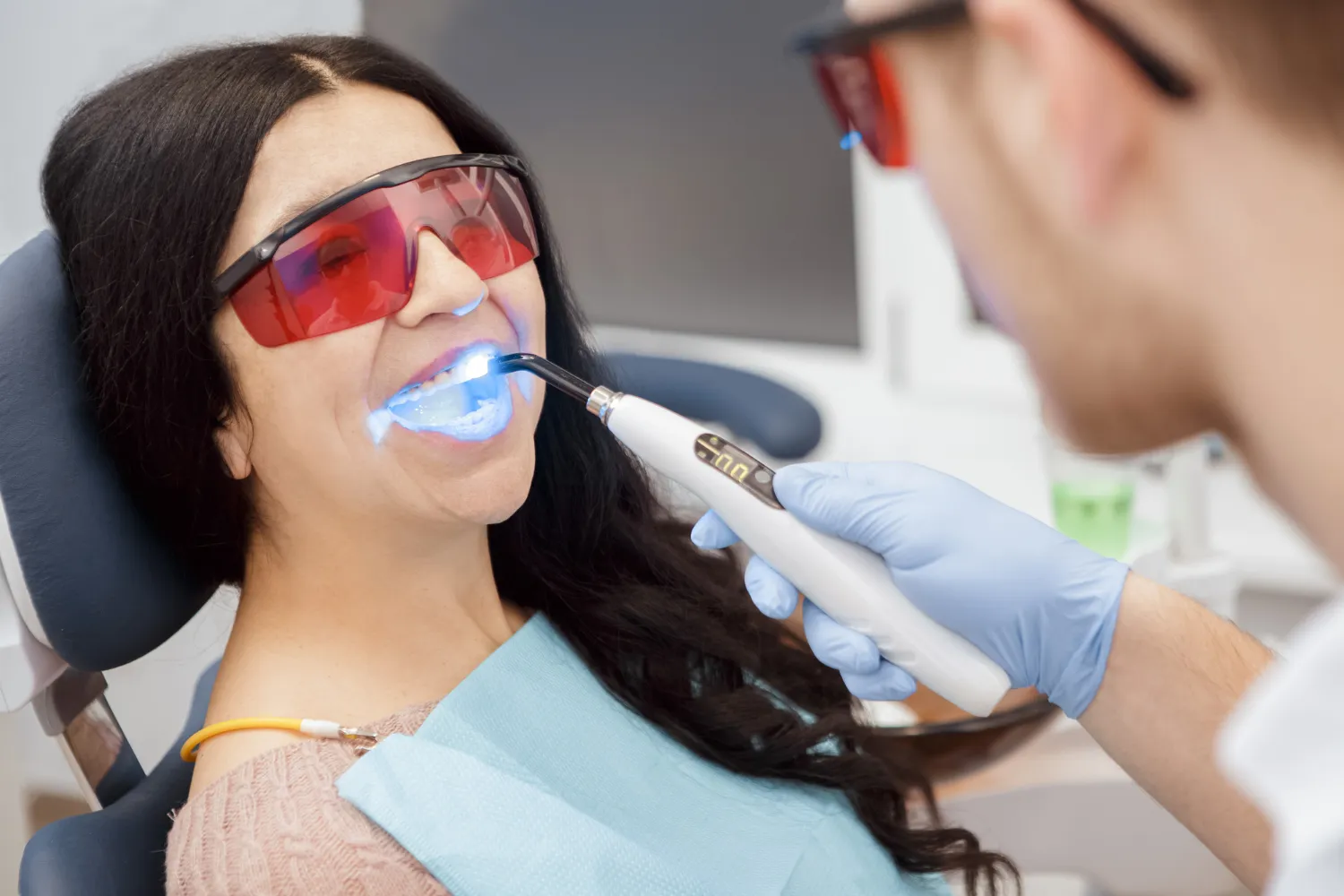
Teeth whitening can improve smile brightness, but treatment pricing depends on more than the whitening material itself. Different methods require different levels of professional involvement, appointment time, equipment, and follow up care. The teeth whitening session cost may therefore vary according to whether a patient receives an in office procedure, customized home whitening, or a combination approach. Tooth condition and treatment goals can also influence the recommended plan. Understanding these differences allows patients to compare whitening options based on the complete treatment experience rather than choosing an option solely because its initial price appears lower.
Professional Whitening Methods
In Office Whitening
In office whitening is performed under professional supervision and is generally designed to provide noticeable results within a controlled appointment. The cost may reflect professional evaluation, whitening materials, protective measures, treatment time, and post treatment guidance. Patients with more significant staining may require additional sessions depending on their goals and response. Professional supervision also allows the dental team to monitor sensitivity and gum comfort. Patients should ask whether the quoted fee covers the complete session and any recommended follow up. Understanding the treatment structure makes it easier to evaluate whether the cost fits the expected outcome.
Customized Home Whitening
Customized whitening trays can allow patients to brighten their smiles gradually at home. The dental professional typically provides personalized trays and instructions for using the whitening material safely. Pricing may include the examination, tray fabrication, whitening supplies, and follow up monitoring. Treatment may take longer than an in office procedure, but some patients appreciate the flexibility. Patients should use the whitening material only as directed because excessive use can increase sensitivity. Understanding the complete home treatment package helps patients compare it fairly with professional in office whitening.
Dental Factors That Influence Cost
Severity of Staining
The amount and type of discoloration can influence the recommended whitening approach. Surface stains may respond more readily to professional whitening, while deeper discoloration may require additional treatment or a different cosmetic solution. Patients should have the cause of discoloration assessed before beginning treatment. A dental examination can help determine whether whitening is likely to meet the patient's expectations. When treatment requires multiple sessions, the overall cost can increase. Patients should therefore ask about the expected number of appointments instead of assuming that one session will always provide the desired brightness.
Tooth Sensitivity
Patients with sensitive teeth may need a modified whitening approach. The dental professional may recommend shorter treatment periods, different materials, or additional measures to improve comfort. These considerations can influence appointment planning and overall pricing. Patients should report existing sensitivity before treatment begins. Ignoring sensitivity can make whitening uncomfortable and may discourage patients from completing the recommended treatment. Professional guidance can help balance cosmetic goals with comfort. Patients should understand that a carefully adjusted treatment may be more appropriate than selecting the fastest or least expensive option available.
Existing Dental Work
Crowns and Fillings
Existing dental restorations generally do not respond to whitening in the same way as natural enamel. If visible crowns or fillings are present, whitening may produce uneven coloration between natural teeth and restorations. Patients should discuss this issue before treatment. The dental professional may recommend whitening natural teeth first and then evaluating whether existing restorations need cosmetic adjustment. These additional considerations can influence the overall treatment cost. Understanding the limitations of whitening helps patients avoid unrealistic expectations and plan cosmetic treatment more effectively.
Multiple Cosmetic Needs
Some patients seek whitening as part of a broader smile improvement plan. They may also have concerns involving tooth shape, alignment, worn edges, or visible restorations. When several issues are present, whitening alone may not create the desired result. A comprehensive evaluation can identify which procedures are most appropriate. Patients should consider the overall treatment plan rather than purchasing isolated whitening sessions without understanding the final objective. A coordinated approach can sometimes produce a more balanced result and prevent unnecessary spending on treatments that do not address the primary cosmetic concern.
Factors Related to the Whitening Appointment
Number of Sessions
The number of whitening appointments required can influence the final price. Some patients achieve satisfactory brightness after one session, while others may need additional treatment. Factors such as starting tooth shade, type of staining, sensitivity, and cosmetic expectations can affect the number of sessions. Patients should ask whether additional appointments are included in the original treatment plan. A clear explanation can make budgeting easier. Comparing complete treatment costs rather than individual session prices gives patients a more accurate understanding of the financial commitment associated with achieving and maintaining their desired smile brightness.
Maintenance Treatment
Whitening results are not necessarily permanent. Teeth can gradually become darker when exposed to staining foods, beverages, tobacco, or normal aging. Maintenance may involve occasional touch up treatment under professional guidance. Patients should ask whether future whitening materials or appointments will create additional costs. Good oral hygiene and sensible dietary habits can help extend the appearance of whitened teeth. Including maintenance in the overall plan helps patients understand the long term cost of cosmetic whitening rather than viewing the initial appointment as the only financial consideration.
Conclusion
The cost of a whitening session depends on the treatment method, severity of staining, tooth sensitivity, existing restorations, number of sessions, and maintenance needs. Patients can make better decisions by comparing complete treatment plans and asking what each quoted fee includes. Professional evaluation is important because whitening may not be appropriate for every type of discoloration. Understanding both the benefits and limitations of each method can lead to more realistic expectations. SMILAND DENTAL can help patients explore whitening options and understand the factors that may influence the cost of achieving and maintaining a brighter smile.







Sign in to leave a comment.