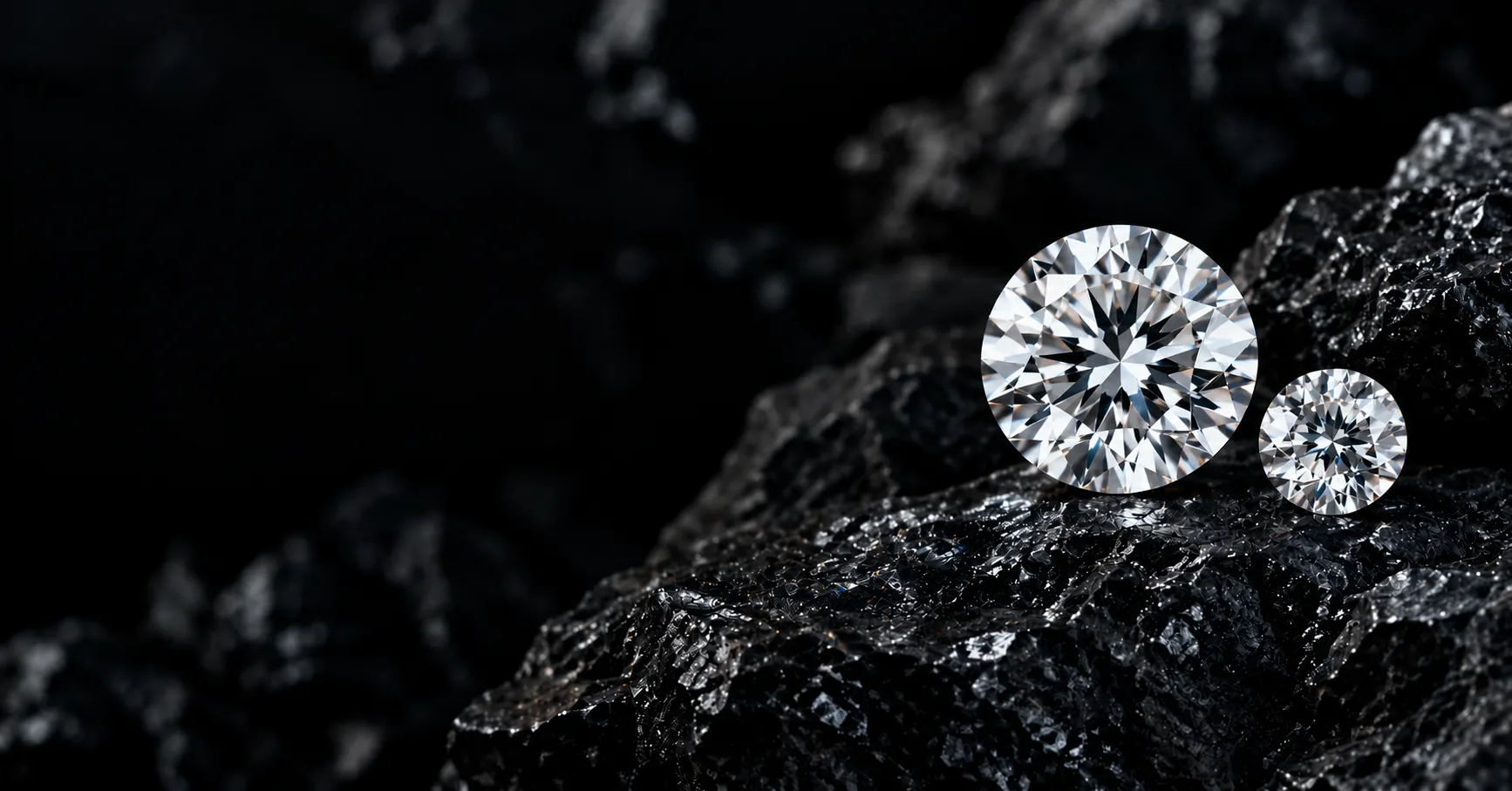

The growth of lab grown diamonds has introduced jewellery businesses to advanced production technologies that can create diamonds with the same fundamental carbon crystal structure as mined diamonds. Among these technologies, HPHT Diamond Technology plays an important role in producing laboratory-grown stones for jewellery and industrial applications.
For retailers, wholesalers and private-label jewellery manufacturers, understanding how HPHT works is useful when evaluating diamond inventory, supplier capabilities, certification and consistency. HPHT diamonds can be produced in a range of sizes, qualities and shapes, making the technology relevant to everything from classic engagement rings to fashion jewellery and bespoke collections.
Companies such as Grown Diamond Corp operate in a market where understanding manufacturing technology is increasingly important for making informed sourcing decisions. But what exactly is HPHT, how does it work, and how should a jewellery business evaluate HPHT lab grown diamonds?
What Is HPHT Diamond Technology?
HPHT stands for High Pressure High Temperature. It is a diamond-growing method that recreates conditions associated with the natural formation of diamonds deep within the Earth. Instead of waiting for geological processes to occur over millions or billions of years, laboratory equipment creates controlled pressure and temperature conditions that allow carbon to crystallize into diamond.
In a typical HPHT growth process, a small diamond seed is placed inside a growth environment containing a carbon source and a metallic solvent or catalyst. Extremely high pressure and temperature are applied to the system. Under these conditions, carbon dissolves and then gradually crystallizes around the diamond seed, forming a larger diamond crystal.
The resulting material is a genuine diamond rather than an imitation such as cubic zirconia or glass. Once growth is complete, the rough crystal can be cut and polished according to its intended application. For jewellery businesses, this distinction is important because the final stone can be evaluated using the same broad characteristics used to assess diamonds generally, including carat weight, color, clarity and cut.
How Are HPHT Lab Grown Diamonds Produced?
The HPHT manufacturing process involves several controlled stages. The diamond seed establishes the crystal foundation, while the carbon source provides the material needed for continued crystal growth. Pressure and temperature are carefully controlled to encourage the desired crystalline structure rather than unwanted carbon formations.
After the growth stage, the rough diamond is removed and inspected. Manufacturers may then assess its characteristics before deciding how it should be cut. This is where manufacturing expertise becomes particularly significant because rough material needs to be planned carefully to achieve an appropriate balance between weight retention, proportions, clarity and optical performance.
The finished stone can then be fashioned into different diamond shapes depending on the rough crystal and the intended jewellery design. A round brilliant cut diamond, for example, requires precise proportioning and facet arrangement to maximize its visual performance. Other shapes may offer different opportunities for optimizing the available rough material.
For a B2B buyer, the process matters because production technology is only one part of the overall supply chain. Cutting precision, polishing standards, quality control and grading documentation can all influence whether a particular stone is suitable for a jewellery collection.
HPHT Diamonds vs CVD Diamonds: What Is the Difference?
The discussion around cvd vs hpht diamonds is common among jewellery professionals because both technologies are used to produce laboratory-grown diamonds, but they use different growth mechanisms.
HPHT relies on very high pressure and high temperature to encourage carbon crystallization around a diamond seed. CVD, or Chemical Vapor Deposition, uses a controlled chamber containing carbon-containing gases. Energy is introduced into the chamber, allowing carbon atoms to separate from the gas and deposit onto a diamond substrate in layers.
Neither production method automatically determines whether a finished diamond will have desirable jewellery quality. Factors such as growth conditions, post-growth treatment, cutting, polishing and grading all contribute to the characteristics of the final stone.
For retailers and wholesalers, the practical question is therefore not simply which technology is used. A more useful evaluation considers the individual diamond, its grading information, consistency of supply, available specifications and suitability for the intended jewellery application.
What Makes HPHT Diamonds Relevant to Jewellery Businesses?
For a jewellery retailer or wholesaler, product consistency is an important commercial consideration. A supplier needs to provide stones that correspond closely to the specifications ordered, particularly when a business is developing a collection or fulfilling repeat wholesale requirements.
HPHT technology can be relevant across multiple product categories because laboratory-grown diamond inventory can be cut into different sizes and shapes. A supplier may therefore offer stones for engagement rings alongside diamonds intended for earrings, pendants, necklaces, tennis jewellery or other designs.
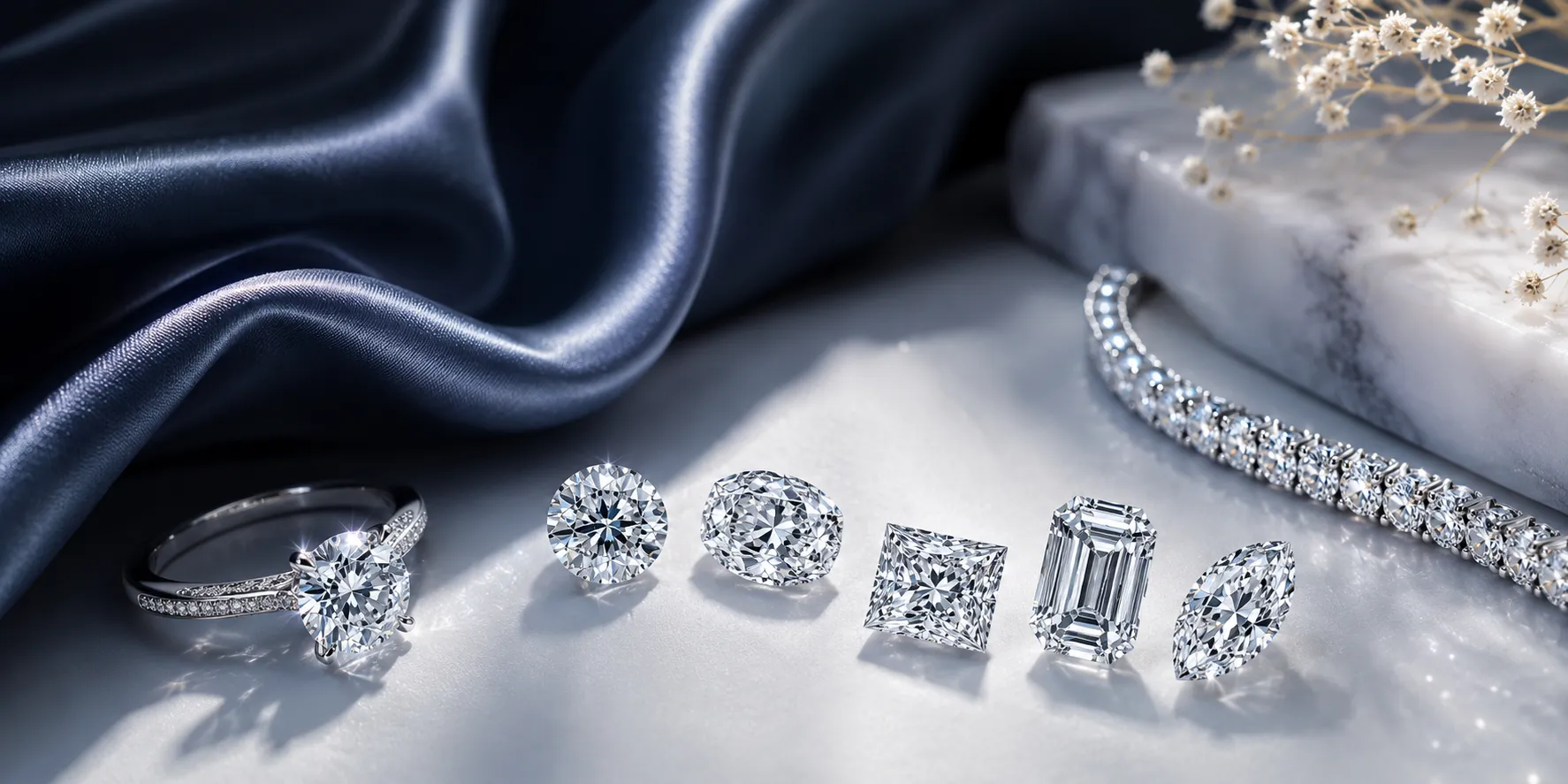
Shape selection is particularly important in jewellery merchandising. Customers may be interested in classic silhouettes as well as contemporary designs, so a broad understanding of different diamond shapes helps buyers develop collections with greater variety. Retailers can consider traditional round stones alongside square, rectangular, elongated and more distinctive outlines.
The technology should ultimately be viewed as part of the sourcing picture rather than the entire quality story. A B2B buyer should evaluate the complete product specification and supplier process before making purchasing decisions.
How Does HPHT Technology Affect Diamond Quality?
The growth environment can influence the characteristics of a laboratory-grown diamond, which is why controlled manufacturing and quality assessment are important. HPHT-grown stones can display characteristics associated with their growth environment, and specialized laboratories can use advanced testing to identify laboratory-grown origin and other properties.
After growth, cutting becomes a major factor in the diamond's visual appearance. A well-planned cut can influence brightness, fire and scintillation, while proportions and symmetry affect how efficiently light interacts with the stone.
Some buyers specifically seek precision-cut diamonds designed for high optical performance. For example, a Hearts and Arrows Diamond requires highly precise facet alignment and symmetry to create the characteristic optical pattern observed through specialized viewing equipment. Such products demonstrate why manufacturing technology alone cannot describe the complete quality of a finished diamond.
For wholesalers, the practical takeaway is to look beyond the HPHT label. Grading information, measurements, proportions, clarity characteristics, color, polish and symmetry should all be considered when evaluating stones for a professional jewellery inventory.
Choosing Diamond Shapes for HPHT Jewellery Collections
The ability to offer multiple shapes can help jewellery businesses address different customer preferences. Round remains an important choice, but retailers can build more differentiated collections by combining classic and contemporary silhouettes.
A princess cut diamond can suit geometric and modern jewellery designs, while a radiant cut diamond combines a rectangular or square outline with brilliant-style faceting. A Cushion Cut Diamond offers softer corners and can create a traditional yet contemporary appearance.
Elongated proportions can also influence how a stone looks when set. An elongated cushion cut diamond can provide a longer outline, whereas an oval cut diamond offers a rounded silhouette with an elongated appearance. These options can be useful for engagement rings and statement jewellery where finger coverage is an important design consideration.
More distinctive shapes can further expand a collection. A pear shaped diamond can work well in pendants and earrings, while a lab grown marquise diamond can create a lengthened visual effect. Retailers may also consider a heart shaped diamond for designs where the shape itself carries strong symbolic meaning.
Less Common Cuts Can Create Product Differentiation
Jewellery businesses do not have to limit their collections to the most familiar diamond shapes. Specialty cuts can provide opportunities for distinctive product stories, particularly for private-label brands seeking designs that differ from mass-market collections.
A Portuguese Cut Diamond, for example, uses an intricate arrangement of facets that creates a distinctive visual pattern. An antique cushion cut diamond can appeal to customers looking for a vintage-inspired appearance, while specialized proportions and faceting can give each design a different character.
These choices also demonstrate why communication between a jewellery manufacturer and its B2B customers is important. Retailers and wholesalers should clearly specify desired shapes, dimensions, quality ranges and setting requirements before placing larger orders.
Grown Diamond Corporation serves a market where precision, product variety and manufacturing capabilities are important considerations for jewellery businesses evaluating lab grown diamond supply. For buyers, the objective is to match available diamond characteristics with the commercial and design requirements of the collection.
What Should Retailers and Wholesalers Ask an HPHT Supplier?
Selecting a supplier involves more than asking whether the diamonds are HPHT-grown. Businesses should establish whether the supplier can consistently meet their required specifications and whether appropriate documentation is available for the inventory being purchased.
Before placing a wholesale order, buyers can consider several practical questions:
- What diamond specifications are available across different sizes and shapes?
- Are grading reports available for the stones being supplied?
- Can the supplier maintain consistency across repeat orders?
- What cutting, polishing and quality-control processes are followed?
- Can the supplier support custom specifications or private-label requirements?
- What inventory and production capabilities are available for larger orders?
- How are diamonds identified and documented throughout the supply process?
These questions become particularly important when a retailer is building a repeatable product line. A single attractive stone may be suitable for an individual purchase, but a jewellery business often needs reliable access to stones meeting defined specifications over time.
Why Certification and Traceability Matter
Certification provides useful independent information about a diamond's characteristics and can help B2B buyers communicate product specifications accurately. Depending on the stone and market, reports may provide information about laboratory-grown origin, measurements, carat weight, color, clarity and other grading characteristics.
For retailers, documented information can also support customer communication. Instead of relying entirely on descriptive sales language, businesses can use grading documentation to explain measurable characteristics of individual diamonds.
Traceability and consistent documentation are particularly relevant to wholesale purchasing because larger orders may contain numerous stones with different specifications. Organized documentation helps buyers manage inventory and maintain accurate product information across their sales channels.
A manufacturer such as Grown Diamond Corp can therefore be evaluated not only by its ability to produce diamonds, but also by the broader systems supporting product quality, documentation and B2B supply.
How Should Jewellery Businesses Evaluate HPHT Diamond Suppliers?
A practical supplier evaluation should begin with the business's own requirements. A retailer focused on engagement rings may prioritize specific sizes, shapes and color ranges, while a wholesaler serving multiple jewellery brands may require a much broader inventory.
Buyers should also examine cutting quality and consistency rather than evaluating technology in isolation. Two diamonds produced using the same growth method can still differ substantially in appearance and grading characteristics. The finished stone is what ultimately enters the jewellery product, so its individual specifications remain central to the purchasing decision.
Supplier communication is another important factor. Clear information about available inventory, lead times, customization, grading and repeat-order capabilities can make procurement more predictable. This is especially relevant for private-label jewellery businesses that need specifications to remain consistent across multiple production cycles.
The Future Role of HPHT in Jewellery Manufacturing
HPHT Diamond Technology represents one of the established approaches used to produce laboratory-grown diamonds, and its role is connected to broader developments in diamond manufacturing, cutting and jewellery design. As technology and production processes continue to develop, businesses have access to an expanding range of laboratory-grown diamond options.
For retailers and wholesalers, this creates an opportunity to become more knowledgeable about how diamonds are grown and how manufacturing choices relate to the finished product. Understanding the difference between growth technology and diamond quality can help buyers communicate more accurately with suppliers and customers.
The future of the category will likely depend not only on production technology but also on cutting precision, quality assurance, certification, design innovation and the ability of suppliers to meet changing B2B requirements. Businesses that understand these factors can make sourcing decisions based on product specifications rather than technology labels alone.
Conclusion
HPHT Diamond Technology provides a controlled method for growing diamonds by combining extremely high pressure and temperature with a carbon source and diamond seed. The resulting rough material can be cut and polished into a wide variety of jewellery-grade stones, making HPHT relevant to retailers, wholesalers and jewellery manufacturers.
Understanding hpht diamonds and hpht lab grown diamonds helps B2B buyers evaluate supplier offerings more effectively, but the growth method should not be treated as a substitute for assessing the individual diamond. Grading information, cut quality, proportions, consistency, certification and supplier capabilities all contribute to a sound sourcing decision.
Whether a business is sourcing a classic round brilliant cut diamond, exploring specialty cuts, or developing collections around shapes such as a Portuguese Cut Diamond or elongated cushion cut diamond, understanding the complete manufacturing and quality process provides valuable context. Grown Diamond Corporation and other industry suppliers operate within this evolving landscape, where informed buyers increasingly look at both technology and the finished diamond.
For jewellery retailers and wholesalers, the most useful approach is to understand how HPHT works, compare it appropriately with CVD, and then evaluate each supplier and diamond according to the specific requirements of the business.
Frequently Asked Questions About HPHT Diamond Technology
1. What is HPHT Diamond Technology?
HPHT Diamond Technology stands for High Pressure High Temperature technology. It creates laboratory-grown diamonds by replicating the high-pressure and high-temperature conditions under which diamonds naturally form. A diamond seed and carbon source are placed in a controlled growth environment, where carbon crystallizes around the seed to form a diamond.
2. Are HPHT diamonds real diamonds?
Yes. HPHT diamonds are real diamonds because they have the same fundamental carbon crystal structure as diamonds formed naturally underground. The primary difference is their origin: HPHT diamonds are grown in a controlled laboratory environment rather than formed through geological processes over extremely long periods.
3. What are HPHT lab grown diamonds used for?
HPHT lab grown diamonds are used across jewellery applications, including engagement rings, earrings, pendants, necklaces and other diamond jewellery. They can be produced in different sizes, qualities and shapes, allowing retailers, wholesalers and jewellery manufacturers to source stones according to specific product requirements.
4. What is the difference between CVD vs HPHT diamonds?
CVD and HPHT are two different methods of growing laboratory-grown diamonds. HPHT uses extremely high pressure and temperature to encourage carbon crystallization, while CVD uses a controlled gas environment in which carbon deposits onto a diamond substrate. The growth method alone does not determine the overall quality of a finished diamond; individual characteristics, cutting and grading should also be considered.
5. Are HPHT diamonds suitable for wholesale jewellery manufacturing?
Yes. HPHT diamonds can be suitable for wholesale jewellery manufacturing when their individual specifications meet the requirements of the jewellery business. Retailers and wholesalers should evaluate factors such as carat weight, color, clarity, cut, dimensions, certification, inventory availability and supplier consistency before purchasing.
6. Can HPHT diamonds be cut into different diamond shapes?
Yes. HPHT-grown rough diamonds can be fashioned into a variety of shapes and cuts depending on the characteristics of the rough material and the desired finished product. Options can include round, princess, radiant, cushion, oval, pear, marquise and specialty cuts, giving jewellery manufacturers flexibility when developing different collections.
7. How can retailers evaluate the quality of HPHT diamonds?
Retailers should assess the individual diamond rather than relying only on the HPHT designation. Important considerations include grading information, carat weight, color, clarity, cut, polish, symmetry, measurements and proportions. Certification from a recognized gemological laboratory can provide additional documented information about the stone.
8. Why is certification important when buying HPHT diamonds?
Certification can provide independently documented information about a diamond's characteristics and laboratory-grown origin. For wholesalers and retailers, grading documentation can support accurate inventory management and customer communication while making it easier to compare stones according to defined specifications.
9. Can HPHT diamonds be used for custom and private-label jewellery?
Yes. HPHT diamonds can be incorporated into custom and private-label jewellery, provided the available stones meet the manufacturer's required specifications. Businesses can discuss preferred shapes, dimensions, quality ranges and design requirements with their diamond supplier before production to ensure the selected stones are appropriate for the finished jewellery.
10. What should wholesalers consider when choosing an HPHT diamond supplier?
Wholesalers should consider product quality, grading documentation, shape and size availability, cutting standards, inventory consistency, production capacity, lead times and the supplier's ability to meet repeat-order requirements. A reliable B2B relationship is particularly important when a jewellery business needs consistent specifications across multiple collections or production cycles.























Sign in to leave a comment.