

When Preparation Can Save Lives
A hurricane can transform a calm community into a dangerous environment within hours, leaving homes damaged, roads blocked, power unavailable, and essential services disrupted. The difference between confusion and coordinated action often depends on preparation completed before severe weather arrives. Families, businesses, and community organizations can reduce risks by understanding evacuation procedures, securing property, protecting important documents, and maintaining essential resources. Effective disaster planning is not simply about responding after destruction occurs; it is about creating practical systems that support safety, communication, recovery, and resilience before, during, and after a powerful storm reaches vulnerable communities.
Building a Practical Emergency Plan
Preparation begins with a clear emergency plan that every household member can understand and follow. The plan should identify evacuation routes, emergency contacts, nearby shelters, transportation options, and safe locations away from flood-prone areas. Special consideration may be necessary for children, older adults, people with disabilities, and household pets. Keeping essential supplies accessible also reduces pressure during a crisis. Emergency Supplies Hurricane Relief planning can include drinking water, shelf-stable food, flashlights, batteries, first-aid materials, hygiene products, blankets, phone chargers, and necessary personal documents stored securely in waterproof containers.
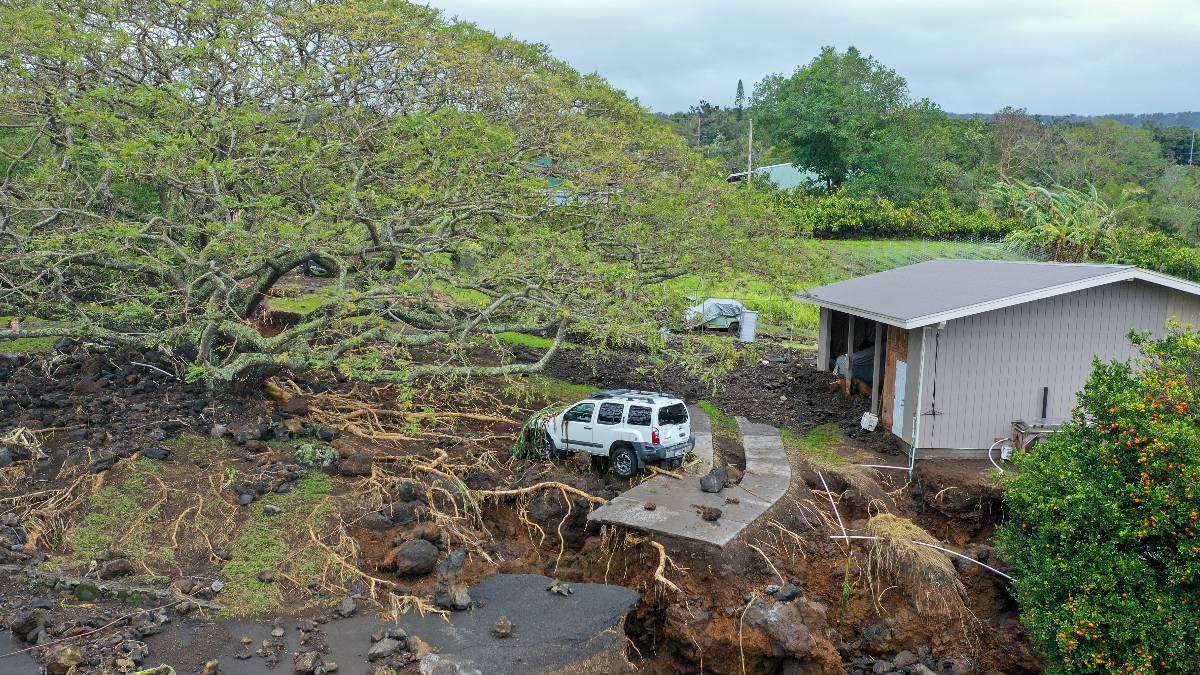
Protecting Homes Before Severe Weather
Property preparation can significantly reduce damage when strong winds and heavy rainfall threaten an area. Loose outdoor furniture, tools, decorations, and branches should be secured or moved indoors before conditions deteriorate. Windows and doors should be inspected for weaknesses, while drainage systems and gutters should remain clear to encourage proper water flow. Electrical equipment and valuable possessions can be moved to elevated locations when flooding is possible. Homeowners may also review insurance policies and photograph important belongings beforehand. Such preventive measures can make later recovery more organized while helping residents identify losses accurately after the storm.
Understanding Community Response and Recovery
Disaster relief extends beyond immediate rescue because affected communities may require assistance for weeks or months. Local authorities, nonprofit organizations, volunteers, healthcare providers, utility companies, and relief agencies often coordinate efforts to restore essential services and distribute resources. Hurricane Lala Disaster Relief efforts, for example, can involve emergency shelter, food distribution, medical assistance, debris removal, temporary housing, and support for displaced residents. Effective coordination depends on accurate information, transparent distribution systems, and communication channels that remain accessible to people experiencing damaged infrastructure, limited connectivity, or rapidly changing circumstances.
Maintaining Reliable Communication During Crisis
Communication becomes particularly important when normal services are interrupted. Residents should know where official emergency announcements will be published and avoid relying exclusively on unverified social media posts or forwarded messages. Battery-powered radios can provide valuable information when internet or mobile networks become unreliable. Families may establish an out-of-area contact who can relay information between separated relatives. Written emergency contact information can also be useful if mobile devices become unavailable. Clear communication helps reduce rumors, supports informed evacuation decisions, and allows communities to respond more effectively as conditions change throughout a hurricane emergency.
Supporting Vulnerable Community Members
Hurricane preparedness should account for people who may face greater difficulties during evacuation or recovery. Individuals with limited mobility, medical equipment needs, language barriers, financial challenges, or limited transportation may require additional assistance. Community preparedness programs can identify these needs before a disaster occurs and develop practical solutions with local organizations. Shelters should consider accessibility, privacy, sanitation, and medication requirements whenever possible. Neighbors can also establish voluntary check-in systems, provided that personal privacy and safety are respected. Inclusive planning strengthens community resilience because emergency response becomes more effective when fewer people are overlooked.
Improving Recovery After the Storm
Recovery often begins once immediate danger has passed, but returning to normal conditions can take considerable time. Residents should avoid flooded roads, damaged structures, exposed electrical equipment, and other hazards until authorities confirm that areas are safe. Photographs and written records of property damage can support insurance and assistance applications. Essential repairs should be prioritized according to safety rather than appearance. Emotional stress can also increase after a disaster, making patience and community support important parts of recovery. Reliable information about assistance programs can help affected households make informed decisions without depending on unverified promises.
Preparing Today for Tomorrow’s Emergencies
A strong hurricane response is built long before the first warning reaches a community. Regularly reviewing emergency plans, replacing expired supplies, checking evacuation routes, and discussing responsibilities with household members can turn preparation into a routine rather than a last-minute task. Communities can strengthen resilience by encouraging responsible construction, improving drainage, protecting natural barriers, and supporting accessible emergency communication. The central lesson is straightforward: preparedness reduces uncertainty and gives people more options when conditions become dangerous. Hurricane Lala Disaster Relief planning demonstrates the importance of coordinated assistance, while Hurricane Lala represents the broader need for communities to remain ready for future emergencies.



























Sign in to leave a comment.