

Introduction
Enterprise data is no longer stored in one place. Businesses often rely on data centers, private clouds, public cloud platforms, SaaS applications, edge systems, and specialized databases at the same time. While this distributed environment provides flexibility, it can also make data difficult to control, protect, integrate, and analyze.
This is where hybrid cloud data management becomes increasingly important. Rather than forcing organizations to move every workload into a single environment, it provides an approach for managing data across on-premises infrastructure and cloud platforms while maintaining visibility and control.
For organizations modernizing their technology environments, hybrid cloud data management can support scalable operations while allowing teams to consider security, compliance, performance, and business requirements when deciding where data should reside.
What Is Hybrid Cloud Data Management?
Hybrid cloud data management is the practice of managing data across a combination of on-premises infrastructure, private cloud environments, and public cloud services. It brings these different environments into a broader data management strategy rather than treating them as disconnected systems.
A hybrid model can be useful when an organization needs to retain certain information on premises while using cloud infrastructure for analytics, backup, application development, or scalable workloads. The approach can also support data mobility, allowing information to move between environments according to business and technical requirements.
Effective hybrid cloud data management is not simply about moving files between a data center and the cloud. It involves integration, governance, security, metadata, lifecycle management, monitoring, and policies that determine how data should be handled.
Why Businesses Are Adopting Hybrid Data Environments
Cloud adoption has changed how organizations approach infrastructure. However, many companies still operate important legacy applications and databases that cannot be replaced immediately. Some workloads may also have strict performance, security, residency, or regulatory requirements.
A hybrid architecture provides a middle ground. Organizations can modernize selected workloads while continuing to operate systems that still provide business value.
This makes hybrid cloud data management particularly relevant for enterprises undergoing gradual digital transformation. Instead of treating modernization as a single migration project, companies can manage change progressively while connecting existing infrastructure to newer cloud services.
Another factor is scalability. Cloud platforms can provide additional resources when demand changes, while on-premises systems can continue supporting workloads that require predictable performance or local control. A well-designed hybrid cloud data management strategy helps coordinate these environments rather than allowing them to become isolated data silos.
Building an Effective Hybrid Cloud Data Management Strategy
A successful strategy begins with understanding where business data exists and how it is being used. Organizations should identify databases, applications, file repositories, cloud storage, analytics platforms, and other data sources before deciding how information should move between environments.
Data classification is equally important. Not every dataset needs the same level of protection, availability, or performance. Sensitive information may require stricter access controls, while less critical historical information could be suitable for lower-cost cloud storage.
Metadata can also provide valuable context. It can help teams understand where data originated, who owns it, how it has changed, and which applications depend on it. In distributed environments, this visibility can make hybrid cloud data management more consistent and easier to govern.
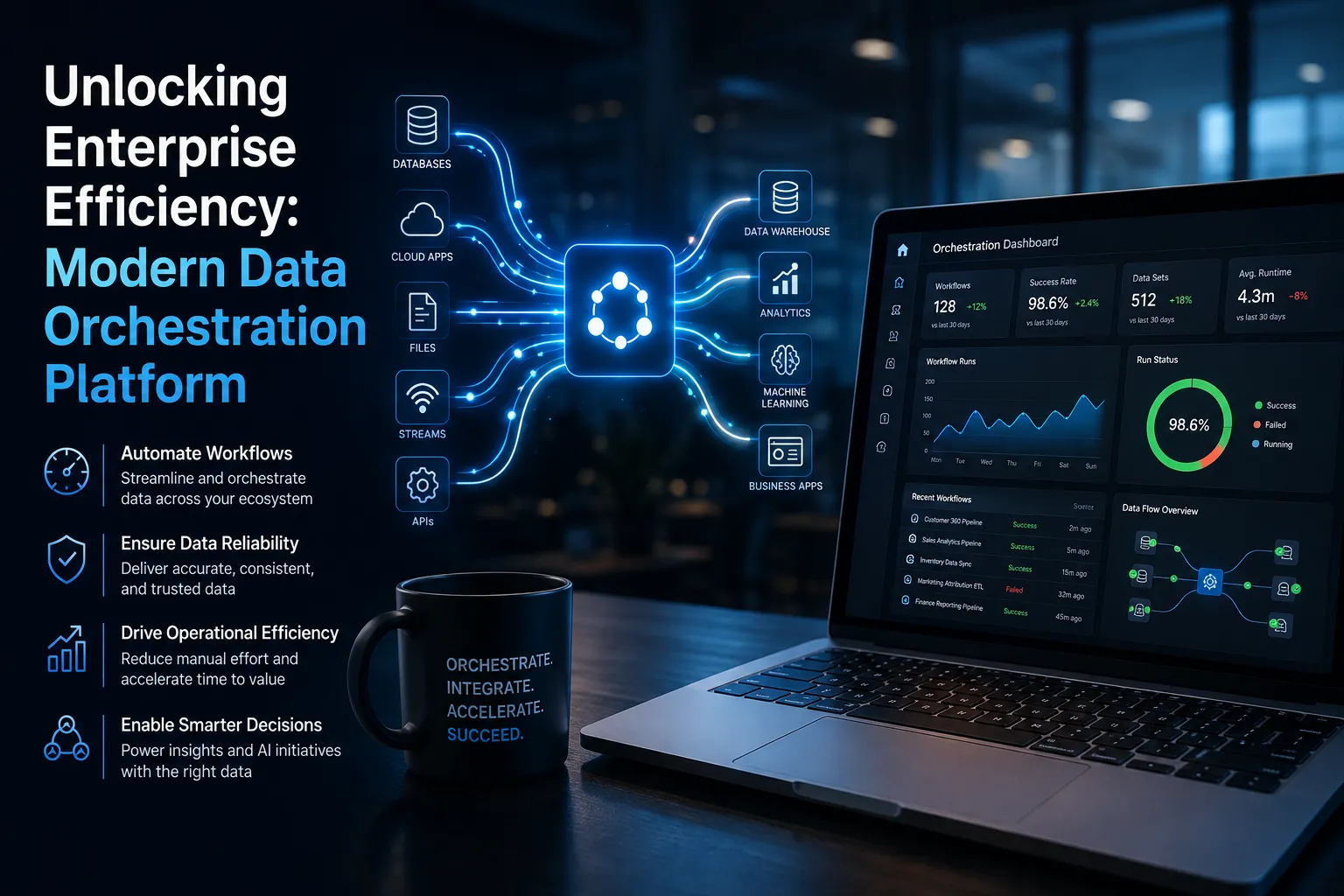
Automation is another important consideration. Manual data movement and repetitive administrative processes can introduce errors and consume valuable IT resources. Automated workflows can help synchronize information, apply policies, monitor environments, and support lifecycle decisions.
Security and Governance Cannot Be an Afterthought
Managing data across multiple environments introduces additional security considerations. Data may move between systems, users may access resources from different locations, and organizations may need to meet industry-specific compliance requirements.
For this reason, hybrid cloud data management should include consistent identity and access controls, encryption, monitoring, auditing, and policy enforcement. Security policies should apply across the broader data environment instead of being designed separately for every platform.
Governance also needs to cover the entire data lifecycle. Organizations should know what information they retain, where it is stored, how long it should be kept, and when it should be archived or deleted.
A centralized governance approach can reduce inconsistencies between cloud and on-premises systems. It can also improve data visibility and help teams respond more effectively when compliance requirements change.
Improving Analytics and Data Accessibility
One of the biggest advantages of hybrid cloud data management is the ability to connect data across different environments. When information remains trapped inside disconnected systems, analysts may struggle to create a complete view of business operations.
Integration technologies can help bring data together for analytics, reporting, artificial intelligence, and operational applications. However, integration should not mean creating unnecessary copies of every dataset. Organizations should determine which data needs to be replicated, transformed, synchronized, or accessed remotely.
A mature hybrid cloud data management approach can therefore support more reliable analytics while allowing organizations to keep certain workloads close to their source systems.
Managing Cost and Performance
Cloud adoption does not automatically reduce technology costs. Poorly planned storage, unnecessary data duplication, inefficient workloads, and uncontrolled resource consumption can increase expenses.
Organizations can use hybrid cloud data management to make more deliberate placement decisions. Frequently accessed information may need high-performance infrastructure, while older or less frequently used data could be moved to more economical storage.
Performance should also influence data placement. Moving large datasets between environments can introduce latency and network costs. For workloads that require rapid access, keeping data closer to applications may provide operational advantages.
The objective is not to place everything in the cloud or everything on premises. Instead, hybrid cloud data management helps organizations evaluate cost, performance, security, and business requirements together.
Preparing Data Infrastructure for AI and Modern Applications
Artificial intelligence and advanced analytics are increasing demand for accessible, trustworthy data. AI applications depend on reliable datasets, clear metadata, appropriate governance, and efficient data pipelines.
This creates another role for hybrid cloud data management. Organizations can connect data from legacy systems and modern cloud platforms while establishing policies for access, quality, and security.
As AI adoption grows, organizations that maintain fragmented data environments may face additional integration challenges. A consistent management framework can help create the foundation required for modern analytics and AI initiatives.
The Future of Hybrid Data Management
Hybrid environments are likely to remain important because enterprise technology rarely changes all at once. Organizations will continue operating a mixture of legacy systems, private infrastructure, public clouds, SaaS platforms, and emerging technologies.
The future of hybrid cloud data management will therefore depend increasingly on automation, interoperability, metadata, governance, and intelligent data placement. Instead of managing every environment separately, businesses can move toward unified visibility and policy-driven operations.
The most effective strategy is ultimately one that reflects the organization's actual data requirements. By connecting environments while maintaining appropriate control, hybrid cloud data management can help enterprises create a more flexible and resilient foundation for digital growth.





























Sign in to leave a comment.