Is hydrogen sulfide stressing your fish?
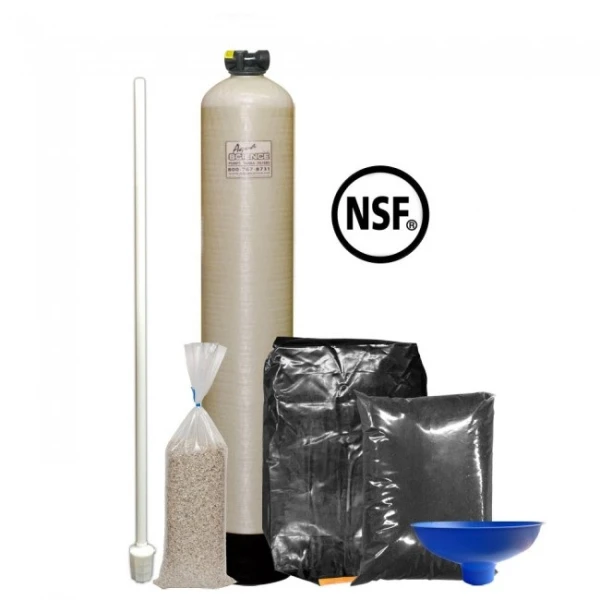
If you're managing a hatchery or a recirculating aquaculture system (RAS), even trace amounts of hydrogen sulfide (H₂S) can be lethal to your stock. You may not see it. You might not even smell it. But unless you're using a hydrogen sulfide water filter, your fish could be swimming in danger — and you wouldn’t know until it’s too late.
Let’s discuss the same -
Why Should You Worry About H₂S in Your Fish Tanks?
Hydrogen sulfide is a toxic dissolved gas that forms under anaerobic conditions — like in stagnant piping, sump areas, or overloaded biofilters. Here's why it's such a serious threat:
● It impairs gill function and disrupts oxygen uptake
● Some fish species show toxicity symptoms at just 2 µg/L
● It creates stress responses that reduce feed efficiency and immunity
If you're not actively monitoring and filtering H₂S, you're risking your stock — and your investment.
How Does H₂S Stress Out Your Fish — Even at Low Levels?
You might think your water looks clear and clean. But H₂S operates at a microscopic level, attacking your fish where you can’t see. You’ll notice strange behaviors:
● Gasping at the surface
● Sluggish feeding or complete appetite loss
● Erratic swimming or sudden fish deaths
These are all signs of H₂S poisoning — even if your oxygen levels look normal. Why? Because H₂S binds with cellular enzymes and disrupts respiration inside the fish. That’s why smart filtration matters.
What Can You Do to Remove Hydrogen Sulfide from Your Water?
To eliminate H₂S, you need a multi-layered approach — not a one-size-fits-all solution. Here's what you should consider:
● Degassing Columns and Packed Tower Aerators
These use air stripping to physically vent H₂S and other gases out of your system. You’ll get higher oxygen transfer, lower CO₂, and cleaner water — fast.
● Catalytic Filtration Media
By using catalytic carbon or manganese-based media, you can oxidize H₂S into a filterable solid. It’s a smart move if you're running high-density systems and need low-maintenance operation.
● Inline Oxygen Boosters
After degassing, make sure you’re re-saturating your water with oxygen. Use oxygen cones, side-stream injection, or inline diffusers to maintain DO and avoid rebound stress.
● Custom Filtration Design with Smart Housing
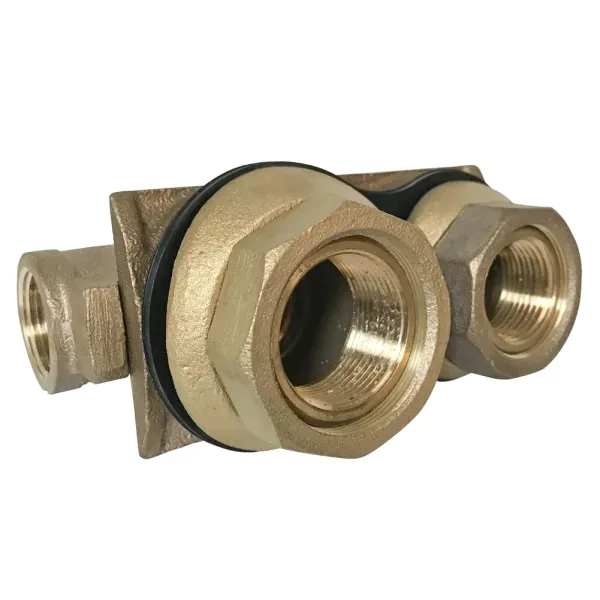
Your system’s flow rate, fish species, and temperature profile all influence your treatment strategy. That’s why you need a customized setup — right down to the water filter housing — engineered for aquaculture use.
Why Should You Act Before H₂S Becomes a Crisis?
Once H₂S starts accumulating, you might see biofilter collapse, pH shifts, or a mass mortality event. You can’t afford to be reactive. The fix? Proactive system design.
You should be working with a provider who understands dissolved gas removal, H₂S thresholds, and how fish respond to stress at a cellular level. That’s exactly where custom-engineered solutions come in.
With their help, you’ll get:
● Turnkey hydrogen sulfide water filter systems
● Properly sized degassing columns with variable-speed blowers
● Technical support for media selection and oxygenation integration
● Real-time monitoring options for dissolved gas levels
What You Need to Know About H₂S in Aquaculture?
Q1: How do I know if I have a hydrogen sulfide issue in my water?
You might notice a sulfur smell or fish acting stressed — but often, H₂S is odorless at low levels. Water testing is the only reliable way to confirm.
Q2: What is the maximum safe limit for hydrogen sulfide in RAS?
Less than 2 µg/L is recommended. Sensitive species may require H₂S levels to be undetectable.
Q3: Will a standard carbon filter remove H₂S?
No. Regular carbon lacks the catalytic action required. You need a dedicated hydrogen sulfide water filter that’s designed for oxidation and long-term performance.
Q4: Should I use aeration, filtration, or both?
Use both. Aeration removes dissolved gases quickly, while filtration prevents reformation. Combined, they give you full control.
Are You Ready to Protect Your Fish and Your Operation?
If you’ve been relying on general-purpose filters or guessing at your water quality, now’s the time to upgrade. Fish health starts with water quality — and H₂S is one of the most overlooked dangers in aquaculture.
With a professionally designed filtration system, you’ll:
● Avoid fish stress and mortality
● Improve oxygen transfer and system stability
● Gain peace of mind knowing your water is safe
What’s the Next Step?
Whether you're running a hatchery, broodstock facility, or high-density RAS, you need solutions that work 24/7. Experts help you engineer the right combination of aeration, filtration, and monitoring — backed by premium components and hands-on support.
Get a System That Works as Hard as You Do.
Let experts show you how the right hydrogen sulfide water filter can protect your fish, reduce downtime, and give you long-term control over your aquaculture system.


























Sign in to leave a comment.