I Bought a Used Car in Lucknow. The Previous Owner's Challans Came With It


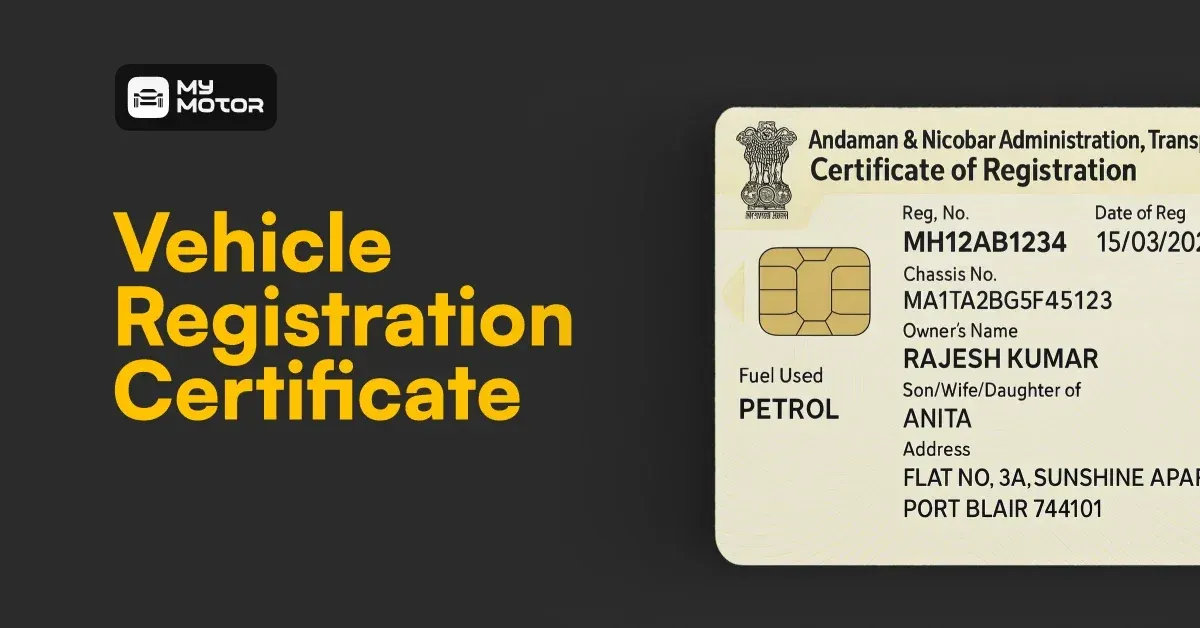
I did my homework in the car. Test drive, mechanic's inspection, a long argument about the price. What I never did was proper challan checking, because it honestly didn't cross my mind. The RC looked fine, the insurance paper was in the glovebox, and the seller shook my hand like a man with nothing to hide. Three weeks later, I found out how much the previous owner had left behind.
It started at the RTO, while I was getting the ownership transfer done. There were two pending challans on the vehicle number: one for jumping a red light, one for overspeeding on the expressway. Both were from months before I'd even seen the car. When I called the seller, he sounded genuinely surprised. "No UP challan on it, I'd have known," he said. I believed him, which is the strange part. I think he really didn't know.
That's the thing about a UP e challan. When a traffic camera catches a violation, the notice goes to the mobile number linked with the vehicle's registration. In my case, that was the seller's old number, which he'd stopped using, or at least stopped checking. Nothing reached him, nothing reached me, and the fines just sat there under the car's number plate, waiting for someone to look. The system tracks the vehicle, not whoever happened to be driving it that day.
What exactly is an UP e challan, and who gets it?
In simple terms, an e-challan is a traffic fine issued electronically, through a camera or a handheld device, instead of a paper slip handed over on the road. In cities like Lucknow, Noida, and Kanpur, camera-based enforcement means a lot of violations get recorded without any officer ever stopping you.
The fine is recorded against the vehicle number. So if you buy a second-hand vehicle, any unpaid fines from before your ownership can show up on your transfer. How strictly this is handled varies by office, but in my case the transfer stayed stuck until the challans were cleared.
How does a UP challan check work?
It's much less dramatic than it sounds. You need only the vehicle's registration number. You type it in, and the system shows any pending e-challans: what the violation was, when and where it happened, the amount, and whether it's paid.
You can do a UP challan check on the official Parivahan e-challan portal, or on a tool that puts it next to your other vehicle details. If the plate has a typo, you'll get "no record found," so double-check the number before you relax. And do it before you pay the seller, not after.
How MyMotor made it easier for me
After the Lucknow mess, I started using MyMotor for these checks. What I like about it is that it isn't just one tool for one problem. From the same number plate, you can look up pending challans, RC details, insurance status, PUC validity, and FASTag balance, and there's an EV charging finder too if you ever go electric. For someone buying a used car, that's basically the whole checklist in one place.
The MyMotor Challan Check app is where I do it now, since I can check and pay from my phone without hunting through portals. There's also a web version if you'd rather do a quick challan check on MyMotor from a laptop. It covers both cars and bikes, which matters if your family, like mine, has a mix of both.
What I check now, before I pay anyone
I keep a short list on my phone, and I run it in this order:
- RC details. Is the seller the registered owner, and is there a loan still active on the vehicle? MyMotor's RC details page shows this from the plate.
- Pending challans. The same plate, one more search. This is the step I skipped.
- Insurance validity. An expired policy is a negotiation point and a risk.
- PUC. Cheap to renew, but easy to forget.
Only after all four do I talk about price. If something turns up, it becomes part of the deal.
What if you find challans on a car you're about to buy?
Don't panic, and don't walk away automatically either. A few ways it can go:
- Ask the seller to clear them before the sale, and ask for the payment receipts.
- Agree to a lower price and pay them yourself, but only if the amounts are clear and you've seen them.
- If a challan looks wrong, say it's for a place the car was never near, the issuing authority has a process to contest it, so don't just pay blindly.
Whichever way it goes, get the arrangement in writing. A message on WhatsApp is better than a handshake, and a signed note is better still.
I still have the car, by the way. It runs well. The challans got cleared, the transfer finally went through, and I now check a plate number almost out of reflex, the way some people check whether the stove is off. Mildly paranoid, but cheaper than the alternative.








Sign in to leave a comment.