

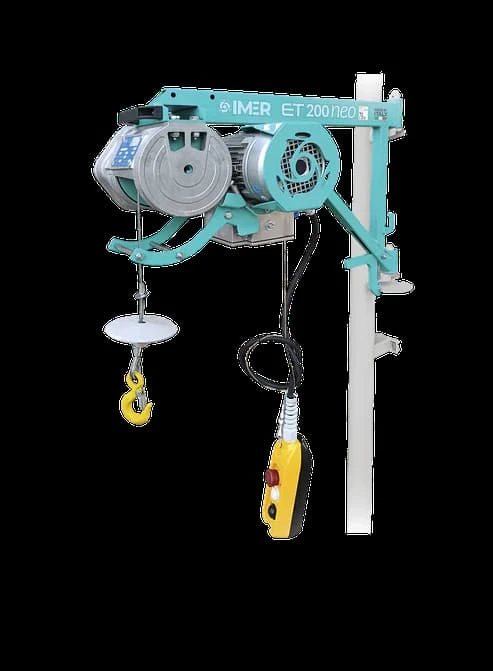
Construction sites depend on reliable lifting equipment to transport materials between different working levels efficiently. However, regular operation can introduce risks when equipment is poorly maintained, incorrectly installed, or used without proper precautions. An IMER bucket carrier hoist requires careful inspection before every lifting task to help protect workers, prevent material damage, and maintain consistent performance. Understanding essential safety checks allows site managers and operators to identify potential hazards early, follow appropriate working procedures, and create a safer environment for everyone involved in construction and material handling.
1. Inspect the Equipment Before Operation
Examine the Main Structure
A thorough visual inspection helps identify damage that could affect lifting performance. Operators should examine the carrier frame, supporting structure, connecting components, and visible fasteners before starting the equipment. Cracks, excessive corrosion, loose fittings, or distorted metal parts may indicate problems requiring professional assessment. Any suspicious damage should be reported immediately rather than ignored. Equipment should remain out of service until the concern has been resolved by a competent person. Regular inspections help prevent minor defects from developing into serious mechanical failures during demanding construction activities.
Check the Bucket Carrier Assembly
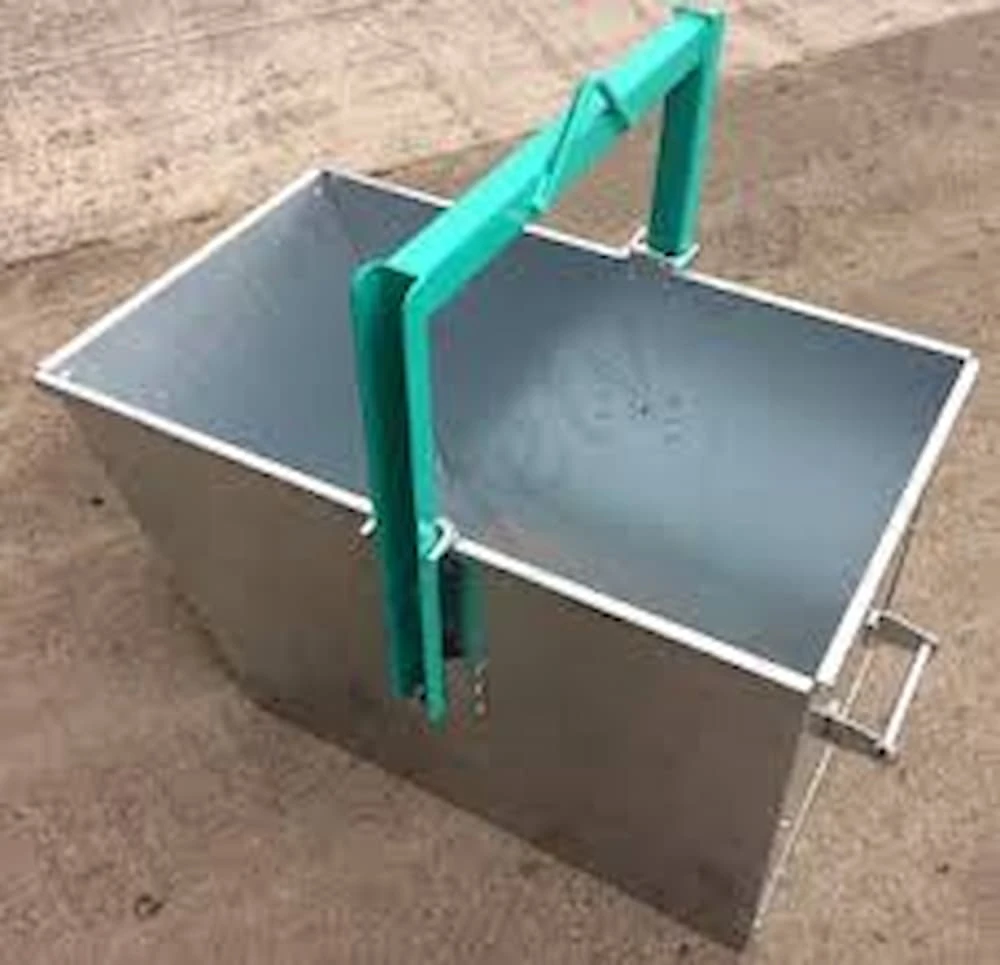
The bucket carrier assembly must remain stable throughout lifting and lowering operations. Operators should check that buckets sit securely within their designated positions and that the carrier has no visible structural damage. Retaining components, attachment points, and connections should be examined for looseness or wear. Damaged or incorrectly positioned buckets may shift during movement, creating falling object hazards. Before operation, the carrier should be confirmed compatible with the hoist and intended materials. Manufacturer instructions should always guide assembly checks, ensuring that components are fitted correctly and used within their approved operating limits.
2. Verify the Hoist Capacity and Load Distribution
Confirm the Safe Working Load
Every lifting operation must remain within the equipment's specified safe working load. Operators should check the capacity information provided by the manufacturer and confirm that the combined weight of the carrier, buckets, and materials does not exceed the permitted limit. Overloading can place excessive strain on lifting components, reduce stability, and increase the possibility of equipment failure. If the load weight is uncertain, it should be established before lifting begins. The rated capacity of the complete lifting arrangement must also be considered, including any applicable restrictions imposed by attachments and supporting structures.
Distribute Materials Evenly
Uneven loading can cause a carrier to tilt, swing, or place excessive force on particular components. Materials should therefore be distributed evenly across the available bucket positions, with heavier items secured according to the manufacturer's guidance. Loose bricks, tools, and other objects should not protrude dangerously or create an unstable arrangement. Operators should avoid carrying loads that could shift during movement or interfere with nearby structures. Before lifting, the complete load should be checked for balance and security. Proper distribution supports controlled movement and reduces the likelihood of dropped materials or unexpected mechanical stress.
3. Examine Electrical Components and Controls
Inspect Cables and Connections
Electrical components require careful attention because damaged insulation, loose connections, and moisture exposure can create serious hazards. Before operating electrically powered lifting equipment, a competent person should check accessible cables, plugs, connectors, and control wiring for visible defects. Any signs of scorching, exposed conductors, or damaged insulation require immediate attention. Electrical repairs should only be performed by appropriately qualified personnel. Equipment must not be used when electrical safety is uncertain. Following the manufacturer's inspection procedures and applicable electrical safety requirements helps maintain reliable operation while reducing the risk of electric shock or unexpected shutdowns.
Test the Operating Controls
Controls should be checked according to the manufacturer's prescribed procedure before materials are lifted. Operators need to confirm that the relevant commands work correctly and that the equipment responds predictably. Emergency stopping arrangements and other fitted safety devices should be checked as specified, without bypassing protective mechanisms. Any sticking buttons, inconsistent responses, or unusual operating behaviour should be reported. The equipment should not be used until faults have been assessed and corrected. Familiarity with the controls also helps operators avoid accidental movements, particularly when lifting materials near workers, scaffolding, or restricted construction areas. Understanding the importance of reliable equipment controls is also relevant when reviewing construction equipment developments and industry events.
4. Check the Supporting Structure and Installation
Assess the Mounting Arrangement
A lifting system is only as safe as its supporting arrangement. Before operation, the installation should be examined to ensure that the hoist and carrier attachments are secured according to the manufacturer's instructions. Supporting scaffold structures must be suitable for the loads and forces imposed by the lifting operation. Improvised fixings, missing securing components, and visibly unstable mounting points can compromise the entire arrangement. Installation and structural suitability should be verified by competent personnel. Any movement, deformation, or looseness observed during inspection should be investigated before the equipment is returned to service. Suitable accessories and correctly fitted components are essential, as highlighted by guidance on high-quality equipment adaptors.
Keep the Lifting Route Clear
The complete travel path should be inspected before lifting begins. Operators should identify overhead obstructions, projecting scaffold components, electrical hazards, and areas where materials could become trapped. The landing area must have sufficient space for safe unloading, while access routes should remain clear of unnecessary equipment and debris. Workers should not stand beneath suspended loads or enter restricted lifting zones. Appropriate barriers and warning signs can help control access where required. Planning the lifting route in advance reduces unexpected interruptions and helps operators move materials without exposing nearby personnel to avoidable risks.
5. Review Operating Conditions and Worker Competence
Consider Weather and Site Conditions
Environmental conditions can influence lifting safety, especially on exposed construction sites. Strong winds may cause suspended materials to swing, while rain, standing water, and poor visibility can complicate handling activities. Operators should follow the manufacturer's operating limits and the site's risk assessment when deciding whether conditions are suitable. Wet surfaces may also increase slipping risks around loading and unloading points. If weather or site conditions make the operation unsafe, lifting should stop until appropriate controls are in place. Equipment should never be operated beyond its approved environmental limits merely to maintain productivity.
Ensure Operators Understand Safe Procedures
Only trained, authorised, and competent personnel should operate lifting equipment. Before work begins, operators should understand the controls, rated capacity, emergency procedures, communication arrangements, and relevant site restrictions. A designated person should coordinate lifting activities when several workers are involved. Clear signals or suitable communication systems help prevent misunderstandings between operators and workers receiving materials. Personnel should also know how to report defects and isolate unsafe equipment. Regular instruction and refresher training reinforce safe working practices, helping teams recognise hazards and respond appropriately when unexpected situations arise during material transportation. Industry engagement, including construction equipment trade events, can also provide opportunities to learn about equipment and safe working practices.
6. Maintain Equipment and Record Inspections
Follow a Preventive Maintenance Schedule
Routine maintenance helps preserve the condition and reliability of lifting equipment. Cleaning should remove accumulated dust, mortar, and debris without damaging electrical or mechanical components. Lubrication, adjustments, and replacement of worn parts must follow the manufacturer's maintenance instructions and be performed by competent personnel. Unapproved modifications should never be introduced to improve capacity or alter operating behaviour. Periodic examinations should be completed at the intervals required by applicable regulations and the equipment's inspection arrangements. Preventive maintenance reduces avoidable downtime and supports consistent performance throughout demanding construction projects. A planned maintenance approach also reflects the wider importance of reliable construction equipment and supplier support.
Document Defects and Corrective Actions
Inspection records provide a useful history of equipment condition, identified defects, and completed maintenance. Site managers should ensure that checks are documented according to workplace procedures and applicable legal requirements. Records should identify outstanding issues, corrective actions, and any restrictions placed on equipment use. Defects affecting safety must be reported promptly, and the equipment should remain unavailable until it has been assessed and cleared for operation. Consistent documentation also helps supervisors recognise recurring problems and arrange timely servicing. This organised approach strengthens accountability and supports better decisions about equipment readiness.
Conclusion
Safe lifting depends on preparation, correct installation, suitable loading, reliable controls, and consistent maintenance. Regular checks of the carrier assembly, supporting structure, electrical components, and surrounding work area help identify potential hazards before they affect construction activities. Operators must also follow training requirements, respect rated capacities, and stop work whenever equipment condition becomes uncertain. A structured inspection routine supports worker protection, operational reliability, and responsible material handling. By sourcing suitable equipment and prioritising safe working practices, CLM Construction Supplies can be part of a procurement approach that supports construction teams in maintaining safer and more efficient lifting operations.


























Sign in to leave a comment.