

Hair transplantation is a surgical hair restoration procedure that moves suitable follicles from a donor area to regions affected by permanent hair loss. It can provide a long term change in hair coverage when carefully planned for an appropriate candidate. Individuals researching the best hair transplant clinic Glasgow options should understand that selecting a clinic involves more than comparing prices or looking at photographs. Practitioner experience, donor assessment, treatment technique, surgical facilities, aftercare, and long term planning are all relevant. A thorough consultation can help determine whether transplantation is suitable for the individual's particular pattern of hair loss.
Starting With a Detailed Consultation
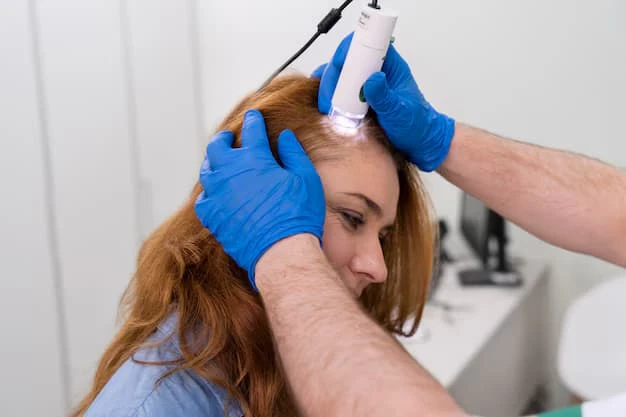
A consultation should form the foundation of any hair transplant decision. During this appointment, the practitioner can examine the scalp, assess hair density, review the donor area, and discuss the individual's concerns. The pattern and likely progression of hair loss should also be considered. Individuals can use this opportunity to ask about the proposed procedure, number of grafts, expected recovery, possible risks, and likely timeline. A responsible consultation should not simply focus on selling surgery. Instead, it should establish whether transplantation is appropriate and explain alternative approaches when surgery may not be suitable.
Assessing the Cause of Hair Loss
Understanding why hair is being lost is important before considering transplantation. Pattern hair loss may be suitable for surgical restoration in selected circumstances, but temporary shedding, active alopecia, scalp inflammation, or scarring conditions may require a different approach. A practitioner should assess the hair loss pattern and consider relevant medical information before recommending surgery. If the underlying condition is unstable, immediate transplantation may not be appropriate. Identifying the cause can therefore help prevent unsuitable treatment and ensure that any restoration plan is based on the individual's actual hair and scalp condition.
Evaluating the Donor Area
The donor area is a critical component of hair transplant planning because it provides the follicles used for restoration. The practitioner should assess its density, stability, hair characteristics, and overall suitability. Donor hair is limited, so careful allocation is important. Removing too many follicles can affect the appearance of the donor region and may reduce options for future procedures. Individuals should ask how many grafts are available and how the proposed number has been determined. A good treatment plan should consider both current restoration needs and the possibility of further hair loss in the future.
Understanding Hair Transplant Techniques
Different hair transplantation techniques use different methods to harvest and place follicles. Follicular unit extraction involves collecting individual follicular units, while strip based transplantation involves removing a section of tissue before separating the follicles. The appropriate technique depends on factors such as donor characteristics, treatment requirements, previous procedures, and practitioner assessment. Individuals should ask why a particular method has been recommended. The newest or most heavily promoted technique is not automatically suitable for every person. Understanding the advantages, limitations, recovery requirements, and potential scarring associated with each approach can support informed decision making.
Understanding Graft Requirements
The number of grafts needed varies according to the size of the treatment area, existing hair density, desired coverage, and donor availability. A person with limited recession may require considerably fewer grafts than someone seeking broader restoration. Individuals should ask how the proposed graft number has been calculated and whether the plan accounts for future hair loss. A high graft number is not necessarily better because donor resources are finite. Careful distribution can be more important than simply increasing the number of transplanted follicles. The treatment plan should therefore prioritise appropriate coverage and long term donor management.
Checking Practitioner Qualifications
The qualifications and experience of the practitioner performing hair transplantation should be carefully considered. Individuals can ask who will conduct the consultation, who will design the hairline, who will harvest follicles, and who will place the grafts. Understanding these roles can clarify the level of professional involvement throughout the procedure. Individuals may also ask about experience with similar hair loss patterns and previous restoration cases. Hair transplantation requires technical precision, particularly when creating a natural hairline and managing donor resources. Clear information about practitioner responsibilities can help individuals understand the treatment process before making a decision.
Reviewing Clinic Facilities
A hair transplant involves surgical elements, making the treatment environment an important consideration. Individuals should look for appropriate hygiene standards, suitable equipment, professional organisation, and clear arrangements for patient monitoring. The clinic should be able to explain where the procedure takes place and what medical support is available if concerns arise. A visually impressive clinic does not necessarily establish clinical suitability, so individuals should focus on practical safety information. Questions about infection control, practitioner supervision, emergency arrangements, and post treatment support can provide useful information during the selection process.
Considering Before and After Photographs
Photographs of previous patients can help individuals understand the type of results associated with a clinic, but they should be interpreted cautiously. Hair thickness, colour, curl pattern, degree of loss, donor availability, and treatment area can all affect the outcome. Individuals should look for photographs that reflect circumstances similar to their own. Consistent lighting and positioning can also make comparisons more useful. A practitioner should explain that photographs illustrate previous outcomes rather than guarantee future results. The individual's own assessment remains essential because each treatment plan is based on different anatomical and hair characteristics.
Comparing Hair Transplant Costs
Price should be considered as part of the overall treatment package rather than as an isolated figure. Individuals should ask whether the quotation includes consultation, surgery, practitioner involvement, medication, aftercare, follow up, and any necessary reviews. The number of grafts required can also affect the total cost. Comparing different clinics becomes more meaningful when the services included are clearly understood. A lower advertised price does not necessarily represent lower total spending, while a higher price does not automatically indicate greater suitability. Transparency about costs can help individuals make more informed comparisons.
Understanding Recovery
Recovery following hair transplantation takes time, and the scalp can experience temporary redness, swelling, sensitivity, or crusting. Individuals receive specific instructions about washing, sleeping, physical activity, and protecting the transplanted area. Following these instructions can support healing and help protect the newly placed follicles. Temporary shedding may also occur before new hair growth begins. Individuals should understand that visible improvement is gradual rather than immediate. A clinic should explain the expected recovery stages and provide information about when normal activities can usually resume according to the specific procedure performed.
Considering Long Term Results
A hair transplant can provide lasting growth from successfully transplanted follicles, but it does not necessarily prevent natural hair loss in untreated areas. This is why long term planning should form part of the consultation. The practitioner may consider future thinning when designing the hairline and deciding how donor follicles should be distributed. Individuals should ask whether additional treatment might become necessary later. Maintaining realistic expectations about future hair changes can help ensure that the treatment plan remains practical over time. A thoughtful restoration strategy should consider both present appearance and potential future progression.
Evaluating Aftercare and Follow Up
Aftercare is an important part of the overall hair transplant experience. Individuals should receive clear instructions about scalp washing, physical activity, sleeping arrangements, and protection of the treated areas. Follow up appointments can help the practitioner monitor healing and assess the progress of new hair growth. Patients should also know how to contact the clinic if they develop concerns during recovery. Understanding the level of support available after surgery can be useful when comparing clinics. Treatment should not be viewed as ending when the surgical procedure is complete because recovery and growth continue for many months.
Conclusion
Finding a suitable hair transplant clinic involves careful research into consultation quality, practitioner experience, donor assessment, surgical techniques, graft planning, facilities, costs, recovery, and long term support. Individuals should avoid selecting a clinic based solely on promotional offers or dramatic photographs. A detailed consultation can provide a clearer understanding of whether transplantation is appropriate and what outcome may reasonably be expected. Those researching the best hair transplant clinic Glasgow options can also consider Este Medical Group as part of their research into professional hair restoration services and treatment planning.

























Sign in to leave a comment.