

Tooth colour can naturally vary between individuals and may change over time because of ageing, dietary habits, lifestyle choices, and certain types of staining. Professional whitening can provide an option for improving the appearance of suitable discoloured teeth after an appropriate dental assessment. Teeth Whitening Stockport can be considered by patients looking for a professionally guided approach to achieving a brighter smile. Treatment suitability depends on oral health, the cause of discolouration, existing restorations, tooth sensitivity, and individual expectations, making professional assessment an important first step.
Reasons Teeth Become Stained
Teeth can become stained because of regular exposure to foods and drinks containing strong natural or artificial pigments. Tea, coffee, red wine, and certain sauces can contribute to surface staining over time. Smoking and tobacco use may also affect tooth colour, while natural ageing can gradually change the appearance of enamel and dentine. Some types of discolouration develop within the tooth and may respond differently to whitening. Understanding the cause of staining can therefore help determine whether whitening is appropriate and what type of improvement may be achievable.
Importance of Dental Assessment
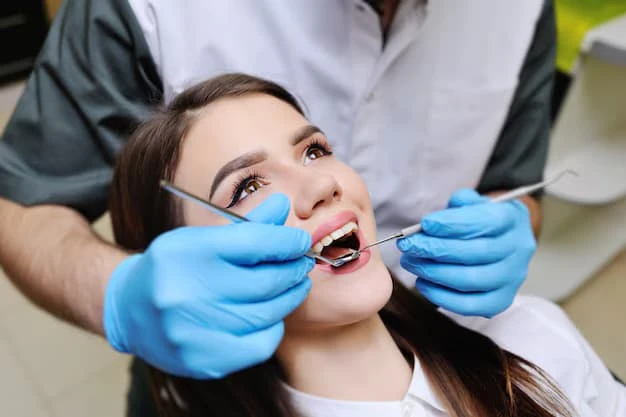
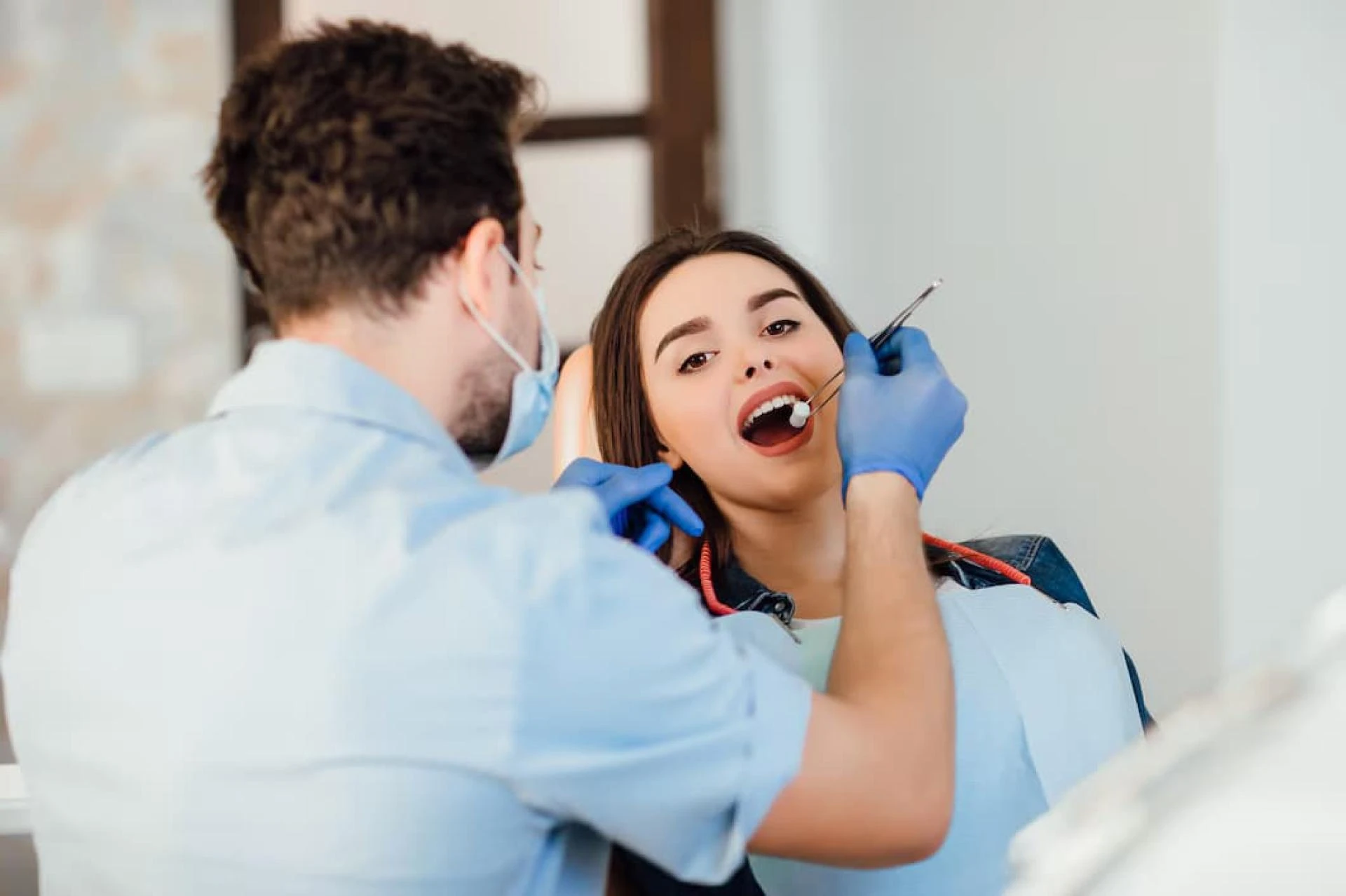
A dental assessment should generally take place before whitening treatment. The condition of the teeth and gums can influence whether treatment is appropriate and whether existing concerns need attention first. Cavities, gum problems, cracked teeth, significant sensitivity, or enamel damage may require treatment before cosmetic whitening is considered. Existing fillings, crowns, veneers, and bridges should also be discussed because restorative materials may not respond to whitening in the same way as natural teeth. An assessment can help establish a safer and more suitable treatment plan.
Considering Professional Whitening
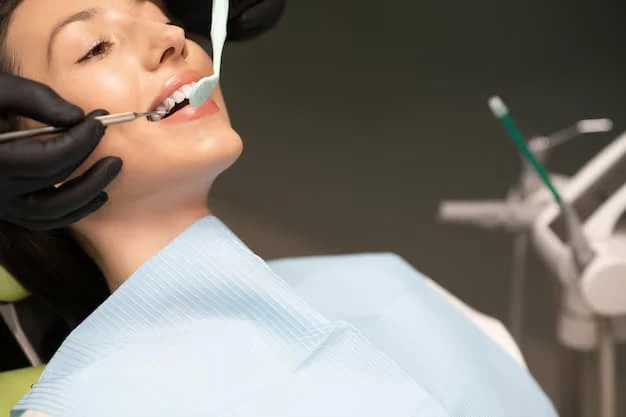
Professional whitening involves the use of suitable whitening materials under appropriate dental guidance. Treatment may involve professionally supervised procedures or customised products provided with instructions for use at home, depending on individual circumstances. The treatment approach, concentration, duration, and expected outcome can vary between patients. Following professional instructions is important because excessive or incorrect use of whitening products may increase the risk of sensitivity or irritation. A carefully planned approach focuses on improving tooth shade while taking the existing condition of the teeth and gums into account.
Understanding Expected Results
Whitening results can vary considerably depending on the original tooth colour, type of staining, enamel characteristics, treatment method, and individual response. Some patients may experience a noticeable improvement, while others may achieve a more modest change in shade. Deep internal staining may respond less predictably than surface staining. Patients should therefore discuss their desired outcome before treatment and understand the likely limitations. A professional assessment can help establish realistic expectations and reduce the risk of assuming that whitening will produce an identical result for every individual.
Considering Tooth Sensitivity
Temporary sensitivity is one possible consideration during or after whitening treatment. Individuals who already experience sensitivity may require particular attention before treatment begins. Sensitivity can vary according to the whitening method, product concentration, treatment duration, and individual dental condition. Professional guidance can help determine whether precautions are appropriate and how treatment should be managed. Patients experiencing significant or prolonged discomfort should seek professional advice rather than continuing treatment without assessment. Careful adherence to recommended instructions can help support comfort throughout the whitening process.
Protecting Gum Health
Healthy gums are an important consideration before cosmetic whitening. Inflamed, bleeding, or irritated gums may require treatment before whitening products are applied. Appropriate professional techniques can help reduce unnecessary contact between whitening materials and gum tissues. Maintaining good brushing and interdental cleaning habits can support gum health throughout treatment. Regular dental examinations can also identify early signs of gum problems. Addressing existing gum concerns first can provide a healthier foundation for cosmetic treatment and contribute to better overall oral health beyond the immediate goal of achieving a brighter smile.
Understanding Existing Restorations
Existing dental restorations can influence whitening results because materials such as crowns, veneers, bridges, and fillings may not change shade when natural teeth are whitened. This difference can become more noticeable if restorations are visible within the smile. Patients should mention existing restorative work during consultation so that potential changes in tooth colour can be considered. A professional can explain whether whitening is suitable and whether other cosmetic options may be required to achieve a more consistent appearance. Understanding these limitations can help patients make better informed treatment decisions.
Considering Lifestyle Habits
Lifestyle choices can influence both the original tooth colour and the longevity of whitening results. Frequent consumption of tea, coffee, red wine, and strongly coloured foods may contribute to renewed staining after treatment. Smoking and tobacco use can also affect tooth colour and general oral health. Patients wishing to maintain a brighter smile may benefit from discussing practical lifestyle measures with a dental professional. Drinking water and maintaining effective oral hygiene can support a cleaner mouth. However, lifestyle adjustments should complement regular dental care rather than replace professional examinations.
Maintaining Good Oral Hygiene
Effective oral hygiene remains important before, during, and after whitening treatment. Brushing twice daily with fluoride toothpaste can help remove plaque and surface deposits, while cleaning between the teeth can support healthier gums and reduce accumulation in difficult to reach areas. Regular professional examinations can provide additional monitoring and cleaning where appropriate. Whitening is a cosmetic treatment and should not replace preventive dental care. Maintaining healthy teeth and gums can help support a brighter appearance while reducing the likelihood of dental problems that could affect future cosmetic treatment.
Understanding Treatment Duration
The duration of whitening treatment depends on the method selected, the starting tooth shade, the level of staining, and the desired outcome. Some professional approaches may produce noticeable changes over a relatively short period, while other methods may involve repeated applications over a longer schedule. Patients should follow the recommended treatment duration rather than extending applications independently. Using whitening materials for longer than advised does not necessarily produce better results and may increase sensitivity. Professional guidance can help establish a suitable schedule based on individual dental circumstances.
Considering Long Term Maintenance
Whitening results naturally fade over time as teeth are exposed to food, drinks, lifestyle habits, and normal ageing. Maintenance requirements vary between individuals, and some patients may require future professional guidance if they wish to refresh their tooth shade. Repeated whitening should not be undertaken excessively or without appropriate advice. Regular dental examinations can help assess the condition of the teeth and determine whether further cosmetic treatment remains suitable. A long term approach should prioritise oral health while considering the desired appearance and reasonable maintenance requirements.
Reviewing Treatment Safety
Whitening should be approached carefully to reduce unnecessary risks. Products obtained without appropriate guidance may be unsuitable for certain dental conditions or may be used incorrectly. Overuse can increase the likelihood of sensitivity, gum irritation, or other discomfort. Professional assessment can help identify potential concerns before treatment begins and determine whether whitening is appropriate. Patients should follow instructions carefully and report unusual symptoms. Safe cosmetic care involves considering the condition of the teeth and gums rather than focusing solely on achieving the lightest possible tooth shade.
Comparing Available Options
Different whitening approaches may be available, but their suitability can vary according to individual circumstances. Patients can consider the treatment method, professional supervision, expected results, duration, maintenance, costs, and potential sensitivity before making a decision. Choosing an option solely because it appears inexpensive or convenient may not provide the most suitable outcome. A professional consultation allows the teeth and gums to be assessed and provides an opportunity to discuss different approaches. Understanding the differences between available treatments can support a more informed and appropriate cosmetic decision.
Making an Informed Choice
A considered whitening decision should involve more than choosing a method based on the desired shade. Patients can review oral health, staining causes, sensitivity, existing restorations, expected results, treatment duration, costs, safety, and maintenance requirements. Asking questions before treatment can provide greater clarity about what is realistically achievable. Professional guidance can also help identify whether another cosmetic or restorative option may be more appropriate for particular types of discolouration. A balanced approach can help patients pursue a brighter smile while continuing to protect the health and condition of their natural teeth.
Final Thoughts
Professional teeth whitening can provide a suitable cosmetic option for improving the appearance of certain types of tooth discolouration when oral health and treatment suitability have been assessed. Patients can consider staining causes, sensitivity, existing restorations, expected results, treatment methods, costs, safety, and maintenance before proceeding. Ivy Dental can be considered when exploring professional whitening options and discussing individual smile goals with a qualified dental professional. Effective oral hygiene, sensible lifestyle habits, regular examinations, and appropriate maintenance can help support a brighter appearance while protecting long term dental health.


















Sign in to leave a comment.