
Pasta is one of the most recognizable parts of Italian cuisine. It can be the foundation of a quick weeknight dinner, a comforting family meal, or an impressive dish for guests. While pasta is available in many forms around the world, imported Italian Pasta appeals to food lovers who want to explore products made in Italy and discover the traditions behind different shapes and styles.
Choosing the right pasta involves more than selecting a familiar shape. Ingredients, texture, production methods, and the sauce you plan to serve all influence the final result. Fortuna Sausage celebrates Italian-inspired food traditions and offers inspiration for building satisfying meals around classic flavors.
Why Explore Imported Italian Pasta?
Pasta made in Italy reflects a broad culinary tradition shaped by regional recipes and local ingredients. Different manufacturers use different production methods, wheat varieties, and drying techniques, which can influence the pasta's appearance, texture, and cooking behavior.
Imported products may also provide access to shapes or regional styles that are less familiar in your local grocery store. Exploring them can introduce new possibilities for sauces, baked dishes, and seasonal recipes.
However, the word “imported” alone does not guarantee superior quality. Read the packaging, examine the ingredient list, and select pasta based on your preferences and intended recipe.
Understanding Pasta Ingredients and Production
Many traditional dried pastas are made using durum wheat semolina and water. Durum wheat is valued for its characteristics in pasta production and can help the cooked pasta maintain a firm texture when prepared properly.
Some pasta makers use bronze dies to shape their pasta. This process can produce a rougher surface that helps certain sauces cling to the noodles. Other production methods may create a smoother finish. Neither characteristic automatically makes a pasta right for every recipe; the best choice depends on the sauce and texture you enjoy.
Drying methods and cooking time can also vary. Always follow the instructions on the package, then taste the pasta near the end of the suggested cooking period to achieve your preferred texture.
Match Pasta Shapes with the Right Sauces
Italian pasta comes in numerous shapes, and each can serve a different purpose.
Spaghetti: Long, thin strands work well with olive oil, garlic, tomato sauces, and other sauces that coat the noodles evenly.
Penne: Its tube shape is useful for tomato-based sauces, creamy sauces, and baked pasta dishes. The hollow center can hold sauce and small ingredients.
Rigatoni: Larger tubes with ridges work particularly well with hearty meat sauces, chunky vegetables, and baked recipes.
Fusilli: The spiral shape catches bits of sauce, herbs, cheese, and vegetables, making it a versatile option for warm dishes and pasta salads.
Linguine: This long pasta is often paired with lighter sauces, seafood-inspired recipes, and olive oil-based preparations.
Lasagna sheets: These wide pasta sheets are designed for layered baked dishes with sauce, cheese, and other fillings.
Choosing a suitable shape can help create a more balanced dish and make each ingredient easier to enjoy.
How to Cook Pasta for Better Results
Start with a sufficiently large pot of water and bring it to a full boil. Add salt according to your taste and dietary needs, then cook the pasta according to the package directions.
Stir during cooking to help prevent sticking. Before draining, reserve a little pasta water. The starchy water can help bring a sauce and pasta together, especially in recipes that use olive oil, cheese, or a small amount of cooking liquid.
Avoid rinsing hot pasta when preparing most traditional hot pasta dishes, as the surface starch can help the sauce adhere. For a cold pasta salad, rinsing may be useful when the recipe calls for quickly cooling the pasta.
Finish the pasta in the sauce for a short time when appropriate. This helps the flavors combine instead of leaving the sauce and pasta as separate components.
Create Italian-Inspired Meals at Home
A flavorful pasta meal does not need a long ingredient list. Cook spaghetti with olive oil, garlic, and herbs for a simple preparation. Combine penne with tomato sauce and vegetables for a satisfying family dinner. Or prepare a baked pasta dish with sauce, cheese, and suitable cooked meat.
Italian sausage can add a savory element to tomato-based pasta sauces. Pair it with rigatoni or penne, onions, garlic, and herbs for a hearty meal. For a lighter dish, toss pasta with seasonal vegetables, olive oil, and a little grated cheese.
Use ingredients that complement one another rather than adding too many flavors at once.
What to Check When Buying Imported Pasta
Review the package for the country of origin, ingredients, cooking instructions, and any relevant dietary information. Check that the packaging is intact and that the pasta is stored in a clean, dry place.
If you are shopping online, look for clear product descriptions and images of the actual packaging. Consider the quantity you need and whether the pasta shape suits your favorite recipes.
People with wheat allergies or celiac disease should check ingredients carefully and choose products that meet their dietary requirements. Standard durum wheat pasta is not gluten-free unless it is specifically formulated and labeled as such.
Discover Italian Food Inspiration with Fortuna Sausage
Imported Italian pasta offers an easy way to explore new textures and traditional meal ideas. Whether you prefer a quick spaghetti dinner, a hearty sausage pasta, or a layered baked recipe, choosing a suitable pasta shape can improve your cooking experience.
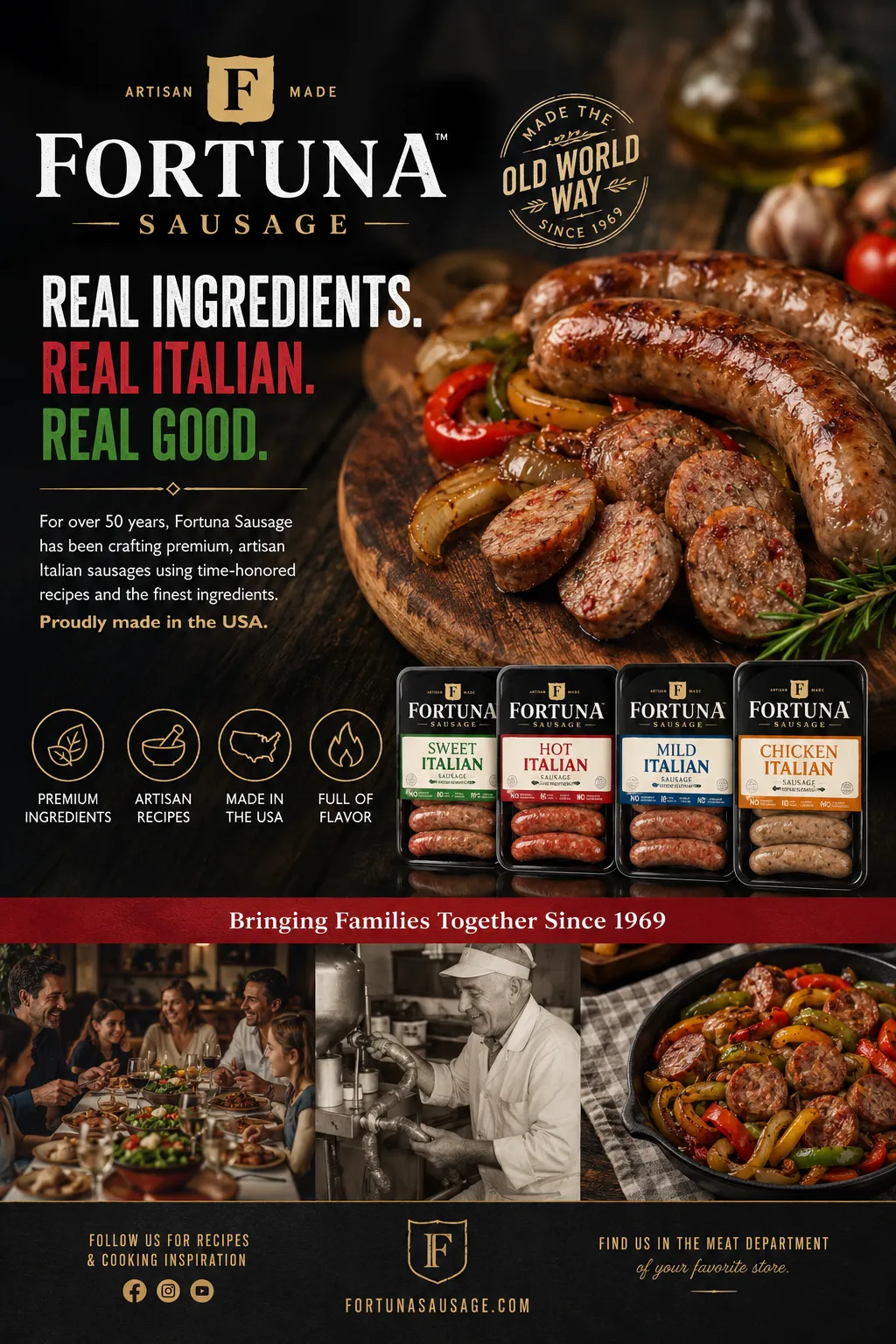
Visit Fortuna Sausage at https://fortunasausage.com/ for Italian-inspired food inspiration and ideas for creating meals that bring family and friends together.
Conclusion
Imported Italian pasta can add variety to your pantry and encourage you to explore the diversity of Italian cooking. Pay attention to ingredients, production details, pasta shapes, and sauce pairings to find options that suit your meals. With proper cooking techniques and complementary ingredients, you can create satisfying pasta dishes at home and enjoy the traditions that make Italian food so popular.






















Sign in to leave a comment.