


Choosing a college involves more than finding a school with a strong academic reputation. Students must also consider tuition costs, campus culture, academic programs, career opportunities and how far they want to live from home.
One of the biggest decisions is whether to attend an in-state or out-of-state college. Staying close to home can offer financial advantages and familiar surroundings, while attending college in another state may provide access to specialized programs, new experiences and broader professional networks.
Neither option is automatically better. The right choice depends on a student's educational goals, financial circumstances and personal preferences.
Start With Academic Fit and Long-Term Goals
Before comparing tuition rates or campus locations, students should determine which colleges offer the academic opportunities they need.
A college's reputation may influence an initial list of schools, but its programs, faculty, academic resources and student support services should play a larger role in the final decision.
Jennifer Nuechterlein, a college and career counselor at Hunterdon Central Regional High School in New Jersey, is among the education professionals whose work centers on helping students navigate college and career decisions.
Students evaluating in-state and out-of-state options should consider whether each institution offers their intended major, opportunities to explore different fields and support for achieving their goals after graduation.
For students who have already identified a career path, specialized academic programs, research opportunities, internships and industry connections may be particularly important.
Those who remain undecided may benefit from colleges offering flexible degree requirements, accessible academic advising and opportunities to explore multiple disciplines.
Dr. Michael McMahon, Vice President for Enrollment Management at Saint Mary's University of Minnesota, highlights an important consideration when comparing in-state and out-of-state colleges: the value students receive beyond the cost of tuition.
Students should look closely at how each institution prepares them for life after graduation. That means evaluating internship opportunities, career counseling, academic support and connections with potential employers. An out-of-state college with a higher advertised tuition rate may still be worth considering if its financial aid package makes attendance affordable and its programs closely align with a student's career goals.
Rather than focusing solely on geographic location, students can benefit from comparing the total cost of attendance with the educational and professional opportunities each school provides.
Compare the True Cost of In-State and Out-of-State Tuition
Cost is often the most significant difference between attending an in-state college and enrolling at an institution elsewhere.
Public universities generally charge lower tuition rates to residents of their home states because they receive state funding intended to support those students.
Out-of-state students attending the same public institution typically pay higher tuition rates. However, the published tuition price does not necessarily represent what a family will ultimately pay.

Financial aid packages, institutional grants, merit scholarships and other forms of assistance can substantially change the cost comparison.
A student who receives a generous scholarship from an out-of-state institution may pay less than they would at an in-state university offering limited financial assistance.
Students should compare the net price of each college, including tuition, mandatory fees, housing, meals, transportation, books and other educational expenses.
They should also examine whether scholarships are renewable and what academic or enrollment requirements must be maintained to continue receiving assistance.
Consider the Benefits of Attending College In-State
Attending college within one's home state offers several practical advantages, particularly for students concerned about affordability or proximity to family.
Lower Tuition at Public Institutions
Resident tuition rates can make in-state public colleges an appealing option for families seeking to minimize educational expenses.
Lower tuition may also reduce the amount students need to borrow, giving graduates greater financial flexibility as they begin their careers.
Closer Connections to Family and Friends
Remaining near home allows students to maintain regular contact with family members and established support networks.
This proximity can be particularly helpful during the transition to college, especially for students who are adjusting to living independently for the first time.
Reduced Travel Expenses
Students attending colleges within driving distance may spend less on transportation than those who must regularly purchase airline tickets.
Depending on the school's location, some students may also have the option to commute from home rather than pay for campus housing.
Familiarity With the Region
Students who plan to build their careers in their home state may benefit from local internship opportunities, employer relationships and alumni networks.
Colleges often develop partnerships with businesses, nonprofit organizations and public agencies in their surrounding communities.
These relationships can provide practical experience and help students establish professional connections before graduation.
Explore the Advantages of Going Out of State
Although staying close to home has benefits, attending college in another state can create opportunities that may not be available locally.
Access to Specialized Academic Programs
Not every state offers the same range of academic programs or specialized training.
Students interested in particular fields may discover that an out-of-state institution provides stronger facilities, more extensive research opportunities or a curriculum better aligned with their interests.
Greater Independence
Living away from familiar surroundings can encourage students to develop important life skills.
Managing daily responsibilities, building new relationships and adapting to a different environment can contribute to personal growth.
However, the benefits of independence depend on each student's readiness and available support systems.
Exposure to Different Communities
Attending college in another state allows students to experience different regional cultures, perspectives and social environments.
Interacting with classmates from diverse backgrounds can help students develop communication skills, adaptability and a broader understanding of the world.
Expanded Career Opportunities
An out-of-state college may offer access to industries or employers that are less prevalent in a student's home region.
For example, students interested in particular sectors may benefit from attending institutions located near major employment centers.
The value of these opportunities depends on the strength of the college's career services, employer partnerships and internship programs.
Think About Campus Life and Personal Comfort
Location can influence nearly every aspect of the college experience, from social activities and transportation to climate and access to support services.
Students should consider whether they prefer an urban campus, a suburban setting or a smaller college town.
They should also evaluate campus size, housing options, extracurricular activities and opportunities to build relationships with classmates and faculty.
An out-of-state institution may offer an exciting change of environment, but students should be realistic about the challenges of living farther from home.
Homesickness, unfamiliar surroundings and travel logistics can affect the transition, particularly during the first year.
Similarly, attending college close to home does not necessarily limit independence. Students can develop new friendships, participate in campus organizations and take on greater personal responsibility without moving across the country.
Understand Residency Requirements and Tuition Policies
Students considering public universities outside their home state should investigate whether they qualify for reduced tuition through regional agreements or institutional programs.
Some states participate in tuition reciprocity arrangements that allow eligible students from neighboring states to attend certain public colleges at discounted rates.
Other institutions offer nonresident tuition waivers, competitive scholarships or reduced tuition based on academic achievement.
However, students should not assume they can establish residency for tuition purposes simply by moving to another state to attend college.
Residency requirements vary by institution and state. Many public universities require evidence of financial independence, permanent domicile or other qualifications unrelated to attending school.
Students should review official residency policies and contact financial aid or admissions offices before making assumptions about future tuition costs.
Evaluate Internships and Career Outcomes
A college's location can affect access to internships, professional networks and employment opportunities.
Students interested in industries concentrated in particular regions may benefit from studying near employers that offer internships, cooperative education programs or entry-level positions.
However, geographic proximity alone does not guarantee professional opportunities.
Students should investigate each institution's career development services, internship placement assistance, alumni connections and available graduate outcomes data.
They should also ask whether employers recruit on campus and whether students can participate in professional experiences during the academic year.
For students planning to return to their home state after graduation, it may be useful to determine whether an out-of-state institution maintains employer relationships or alumni networks in that region.
Visit Campuses Before Making a Decision
Campus visits can help students determine whether an institution feels like a comfortable place to study and live.
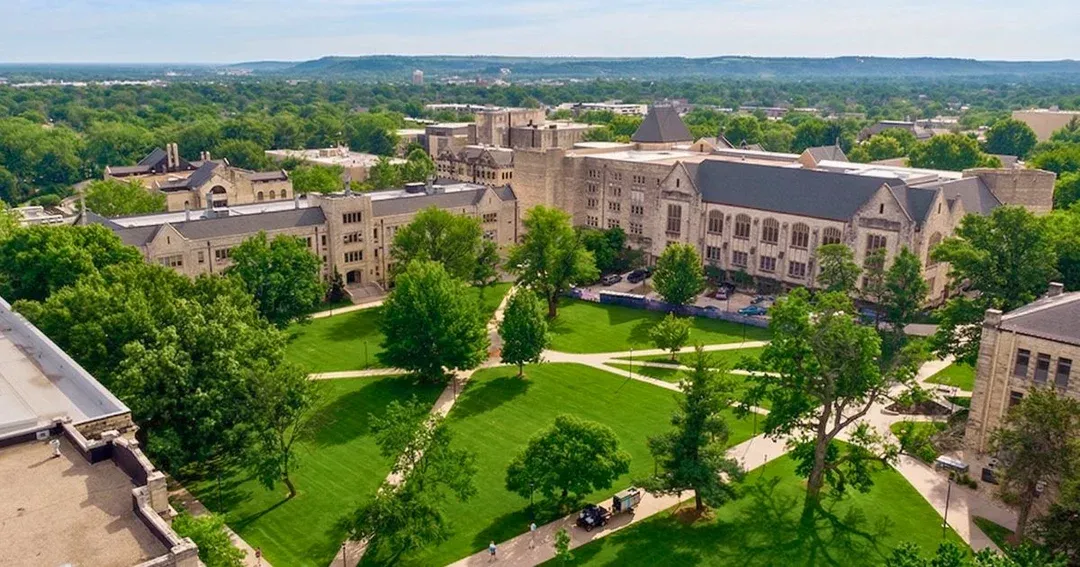
An in-person visit provides opportunities to observe classroom environments, explore residence halls, speak with current students and evaluate campus facilities.
Students should consider scheduling visits while classes are in session to gain a more realistic impression of everyday campus life.
For out-of-state institutions, travel expenses may make multiple visits difficult. Virtual tours, online information sessions and conversations with admissions representatives can help narrow the list before committing to a trip.
During visits, students should ask about academic advising, first-year support programs, financial aid, student organizations and internship opportunities.
They should also pay attention to how comfortable they feel navigating the campus and interacting with the college community.
Make a Decision Based on Overall Value
Choosing between an in-state and out-of-state college requires balancing educational opportunities with affordability and personal priorities.
Students should avoid assuming that an expensive out-of-state institution automatically provides a better education or that remaining in-state means sacrificing opportunities.
Instead, they can create a comparison that considers academic programs, estimated net costs, student support, campus environment and career preparation.
Families should also discuss how much they can reasonably contribute toward college expenses and how borrowing might affect the student's financial situation after graduation.
An institution offering a strong academic program, manageable costs and meaningful opportunities for personal development may ultimately provide greater value than a college selected primarily for its reputation or location.
The Bottom Line
The decision to attend an in-state or out-of-state college is highly personal. Some students will find that a nearby public university offers the right combination of affordability, academic quality and career opportunities. Others may discover that an out-of-state institution better supports their educational interests and long-term ambitions.
The most important consideration is whether a college can provide the academic preparation, resources and environment a student needs to succeed.
By comparing actual costs, exploring academic opportunities and considering their readiness for different living arrangements, students can make a more informed decision about where to pursue their education.
Editorial note: I verified both experts' names and positions through their institutions.





















Sign in to leave a comment.