

A classroom can become noticeably different when learning moves beyond a screen, textbook or presentation. A story is heard rather than simply read. A word is spoken in an Indigenous language. A song invites attention, while a hands-on activity gives participants something tangible to remember. These moments show how Indigenous cultural experiences can turn learning from observation into meaningful participation.
For educators, families, community groups and organisations, Indigenous cultural experiences in Canada can offer opportunities to engage with specific Indigenous perspectives through respectful, guided experiences. Canada is home to diverse First Nations, Inuit and Métis peoples, with distinct histories, languages and cultural practices, so meaningful learning should never treat Indigenous cultures as one uniform subject.
From Listening to Participating
Listening is an important beginning. A knowledgeable Elder, educator or cultural practitioner can provide context through stories and teachings, helping participants understand that knowledge is connected to people, place, language and relationships.
Participation takes that learning further.
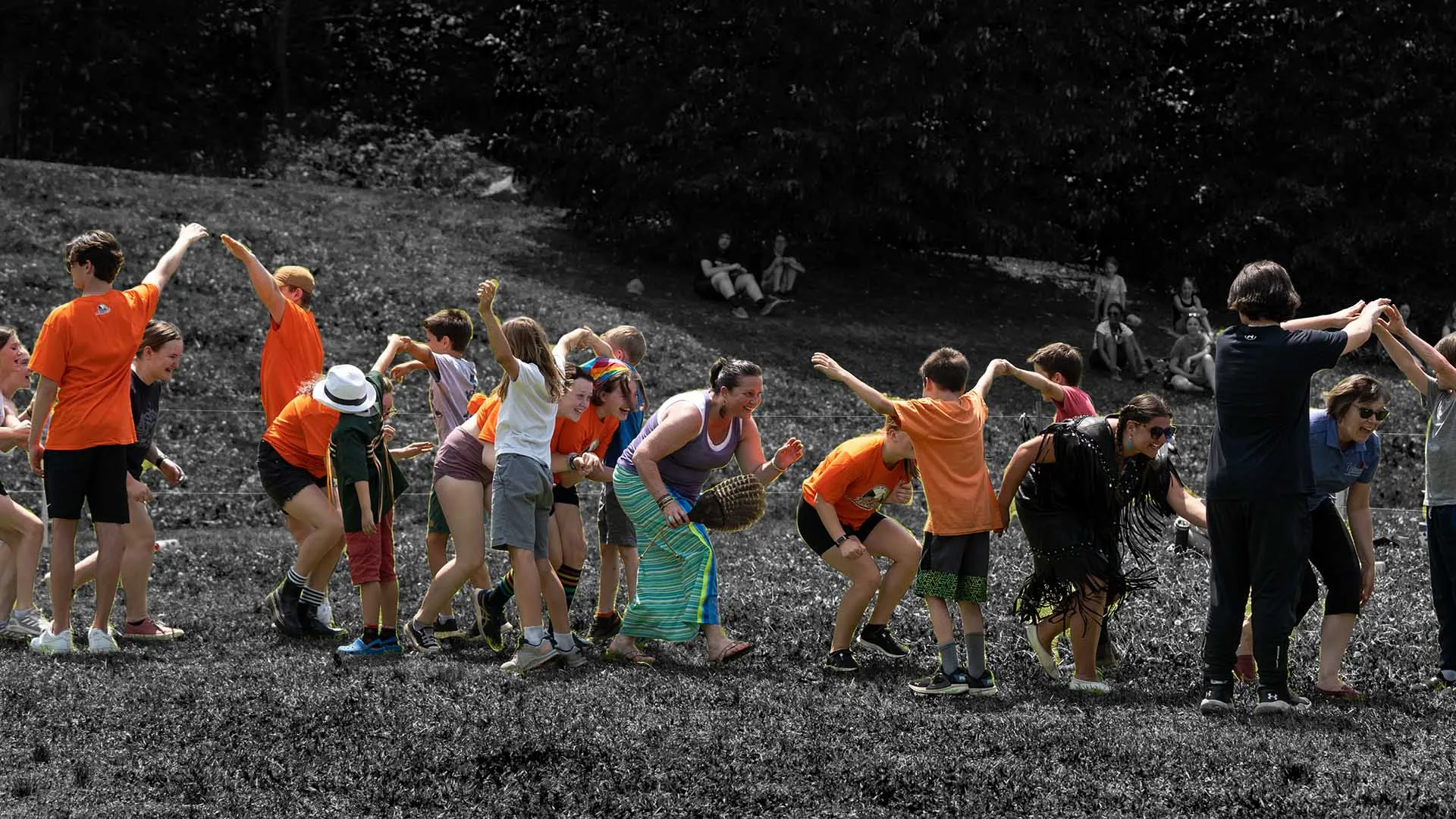
Instead of simply hearing about a tradition, participants might encounter language, music, movement, objects or a carefully guided traditional activity. The purpose is not entertainment. It is to create space for attention, questions and reflection while allowing learners to encounter knowledge through more than one method.
This approach can be particularly valuable for students and groups with different learning styles. Stories may create an emotional connection, while visual materials, songs or hands-on activities can give learners another way to process what they have encountered.
Why Language and Story Matter
Language is more than a collection of words. Indigenous languages carry histories, relationships and cultural knowledge. The Government of Canada recognises the importance of Indigenous language revitalisation and strengthening, including through the Indigenous Languages Act.
Bringing language into a learning experience, where appropriate and guided by the knowledge holder, can therefore change the character of the lesson. Participants are not simply learning about a community from the outside; they are being invited to listen carefully to how knowledge is expressed.
Storytelling can work in a similar way. A story can provide context that a list of facts cannot. It can introduce relationships with land, family, community and responsibility while giving learners something they can reflect upon after the experience ends.
What Participation Looks Like in Practice
The strongest Indigenous cultural experiences often connect participation with a clear learning purpose.
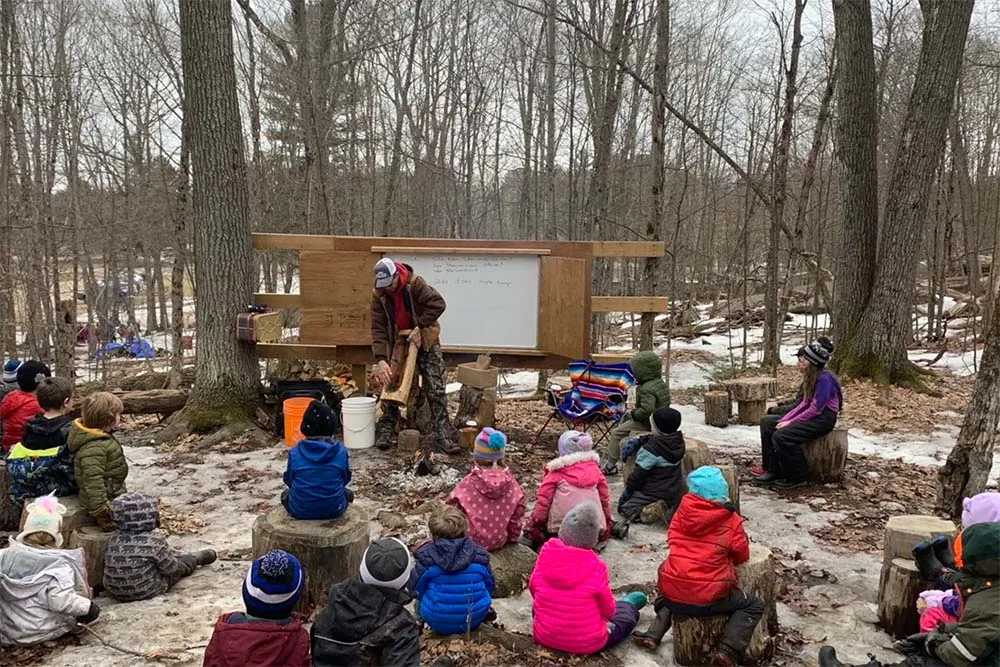
A Haudenosaunee worldview workshop, for example, can introduce participants to teachings and perspectives as part of a longer learning journey. A seasonal maple syrup experience can connect traditional methods with teachings around stewardship, sustainability, gratitude and relationship with the land. A traditional water drum workshop can involve learning through making, stories, songs and shared time around a fire.
These examples demonstrate why context matters. An activity should not be separated from the knowledge, community and perspective that give it meaning.
For instance, an Indigenous-led programme such as those facilitated by Elder and educator Christopher Stock brings together more than three decades of teaching experience, a fifth-generation Wáhta Mohawk background, Queen’s University Indigenous Teacher Education Program training, Ontario College of Teachers Primary Junior Certification and Mohawk language education. Such experience provides important context for learners seeking culturally grounded engagement.
Participation Should Lead to Reflection
The goal of an interactive experience is not to suggest that one workshop can teach everything about Indigenous peoples or cultures. Canada’s Indigenous communities are diverse, and responsible learning recognises that distinction.
Instead, a meaningful experience can create a starting point.
After participating, learners might ask what they noticed, what assumptions were challenged, what new questions emerged and what they can continue learning. For schools, that reflection can connect with classroom discussion. For community groups or organisations, it can become a starting point for continued education and relationship building.
The Truth and Reconciliation Commission’s Calls to Action emphasise education and public understanding as part of reconciliation.
That makes the distinction between simply receiving information and actively engaging with learning especially important. Thoughtfully designed Indigenous cultural experiences in Canada can create moments of listening, participation, reflection and connection.
The experience ends, but the learning does not have to. When cultural education encourages people to remain curious, respectful and willing to continue learning, participation becomes the beginning of a journey rather than the conclusion.























Sign in to leave a comment.