

An influencer marketing strategy helps businesses connect with relevant creators, reach targeted audiences, strengthen brand visibility, and support measurable marketing goals. Instead of treating influencer promotion as a one-time sponsored post, a strategic approach focuses on finding the right creators, developing authentic partnerships, creating useful content, and understanding how those activities contribute to wider business objectives.
Influencer marketing has become an important part of modern brand communication because consumers often discover products and services through people they already follow online. Creators can introduce products through reviews, demonstrations, tutorials, stories, short videos, live sessions, and personal experiences. Their established relationships with followers can make brand messages feel more contextual and relatable.
However, successful influencer marketing is not simply about finding someone with a large audience. A creator may have thousands or millions of followers but still be unsuitable for a particular brand. Audience relevance, engagement quality, content style, reputation, communication, and genuine interest in the subject can all influence campaign performance.
Understanding Influencer Marketing Strategy
An influencer marketing strategy provides a structured approach for working with creators who can communicate a brand's message to a relevant audience. It connects creator partnerships with broader marketing objectives rather than treating influencer activity as an isolated promotional channel.
A business may use influencer marketing to increase brand awareness, introduce a product, reach a specific customer group, generate website traffic, encourage engagement, or support sales. The objective determines the type of creator, content format, platform, and performance indicators that make sense for the campaign.
A strategic approach also creates consistency. Influencers can maintain their own communication style while still presenting the core ideas that a brand wants its audience to understand. This combination of brand direction and creator authenticity can make partnerships more effective.
Why Influencer Marketing Campaigns Are Valuable
Influencer marketing campaigns can help businesses reach communities that may be difficult to access through traditional advertising. Creators often build audiences around specific interests, lifestyles, industries, or types of content, giving brands an opportunity to connect with people who already have an interest in a particular subject.
The value of an influencer campaign can also extend beyond immediate exposure. A successful collaboration can create conversations, strengthen familiarity, generate social proof, and introduce a brand to potential customers who may not have encountered it through other channels.
Influencer campaigns can support different stages of the customer journey. A creator may introduce a brand to a new audience, explain how a product works, answer common questions, or share a personal experience that helps followers evaluate an offering.
For businesses working to strengthen their broader market presence, influencer activity can also complement initiatives such as building brand resilience strategies. Consistent communication across different channels can help businesses maintain stronger relationships with their audiences.
Developing a Strong Influencer Marketing Campaign
A successful influencer campaign begins with a clear purpose. Businesses should understand what they want the campaign to accomplish before selecting creators or deciding what type of content to publish.
An awareness campaign may focus on reach, impressions, video views, or brand mentions. A campaign designed to encourage consideration may place greater emphasis on product education, website visits, comments, or content interactions. A sales-focused campaign may use tracked links, promotional codes, conversions, and revenue as key measurements.
Audience research is equally important. Businesses should understand the people they want to reach and compare that audience with the creator's community. Demographics, interests, location, purchasing behavior, content preferences, and audience discussions can all provide useful information.
The content itself should also feel appropriate for the creator. When a partnership fits naturally into the creator's existing content, the promotion is less likely to feel forced.
Choosing the Right Influencer Marketing Tactics
Different influencer marketing tactics can support different campaign objectives. Product reviews can help audiences evaluate an offering, while tutorials and demonstrations can explain its practical value. Short-form videos can create quick awareness, whereas longer videos may provide more detailed information.
Live sessions can create direct interaction between creators and followers, while testimonials can provide social proof through personal experiences. Unboxing content can generate curiosity around a new product, and educational collaborations can help position a business around a particular subject.
The most suitable tactic depends on the creator, audience, product, and objective. A business should not automatically choose the most popular content format simply because it is currently receiving significant attention.
Examining a creator's previous content can also reveal how audiences respond to different formats. Comments, discussions, shares, and the way the creator communicates with followers can help brands determine whether a particular collaboration is likely to feel natural.
Creating a Social Media Influencer Strategy
A social media influencer strategy should recognize that different platforms encourage different types of audience behavior. People may interact differently with short videos, long-form content, stories, images, live broadcasts, and written posts.
A creator might use a short video to introduce a product and then provide a longer review for followers who want more information. Another creator may have a community that responds better to educational content or detailed demonstrations.
Brands should therefore adapt their approach to the platform and audience instead of simply publishing identical influencer content everywhere. Creator content can also complement a company's existing social media activity through approved reposting, paid amplification, website features, or related brand content.
This creates a connected experience in which influencer content becomes one part of a larger communication ecosystem rather than an isolated advertisement.
Building an Effective Influencer Marketing Plan
An influencer marketing plan gives campaigns structure while leaving enough room for creativity. It can establish the campaign objective, target audience, creator requirements, content expectations, publishing timeline, budget, messaging, and measurement methods.
Clear expectations are especially important before content creation begins. Businesses and creators should understand deliverables, deadlines, approval procedures, payment arrangements, disclosure requirements, and content usage rights.
Clear agreements can prevent confusion and help both sides understand their responsibilities. At the same time, the campaign should not become so restrictive that the creator loses the ability to communicate naturally.
Influencers generally understand their audiences better than the brands they partner with. Giving creators reasonable creative freedom can therefore improve the authenticity and effectiveness of sponsored content.
Developing an Influencer Partnership Strategy
An influencer partnership strategy focuses on creating relationships that can continue beyond a single campaign. Long-term collaborations can help creators become more familiar with a brand, while audiences can become more accustomed to seeing that brand within the creator's content.
Repeated exposure can strengthen familiarity and make the partnership feel more natural. Instead of introducing a product once, a creator may gradually discuss different aspects of the brand over several collaborations.
Businesses should evaluate potential partners using several factors, including audience alignment, engagement quality, content relevance, communication style, professionalism, reputation, and previous brand relationships.
A strong partnership should also be beneficial to the creator. When a product genuinely fits the creator's interests and provides value to the audience, the collaboration has a stronger foundation.
Creating a Better Influencer Outreach Strategy
Influencer outreach works best when it is relevant and personalized. Creators regularly receive partnership requests, so generic messages may fail to demonstrate why a particular collaboration makes sense.
A thoughtful outreach message can show that the business understands the creator's content and audience. It can briefly explain the brand, introduce the campaign idea, and describe why the creator appears to be a suitable partner.
The initial conversation should remain professional and straightforward. Businesses should avoid overwhelming creators with unnecessary requirements before establishing basic interest.
Follow-up communication can be appropriate, but creators should also be given space to respond. Respectful communication helps establish a positive relationship even when a particular collaboration does not move forward.
Making Influencer Brand Collaboration More Authentic
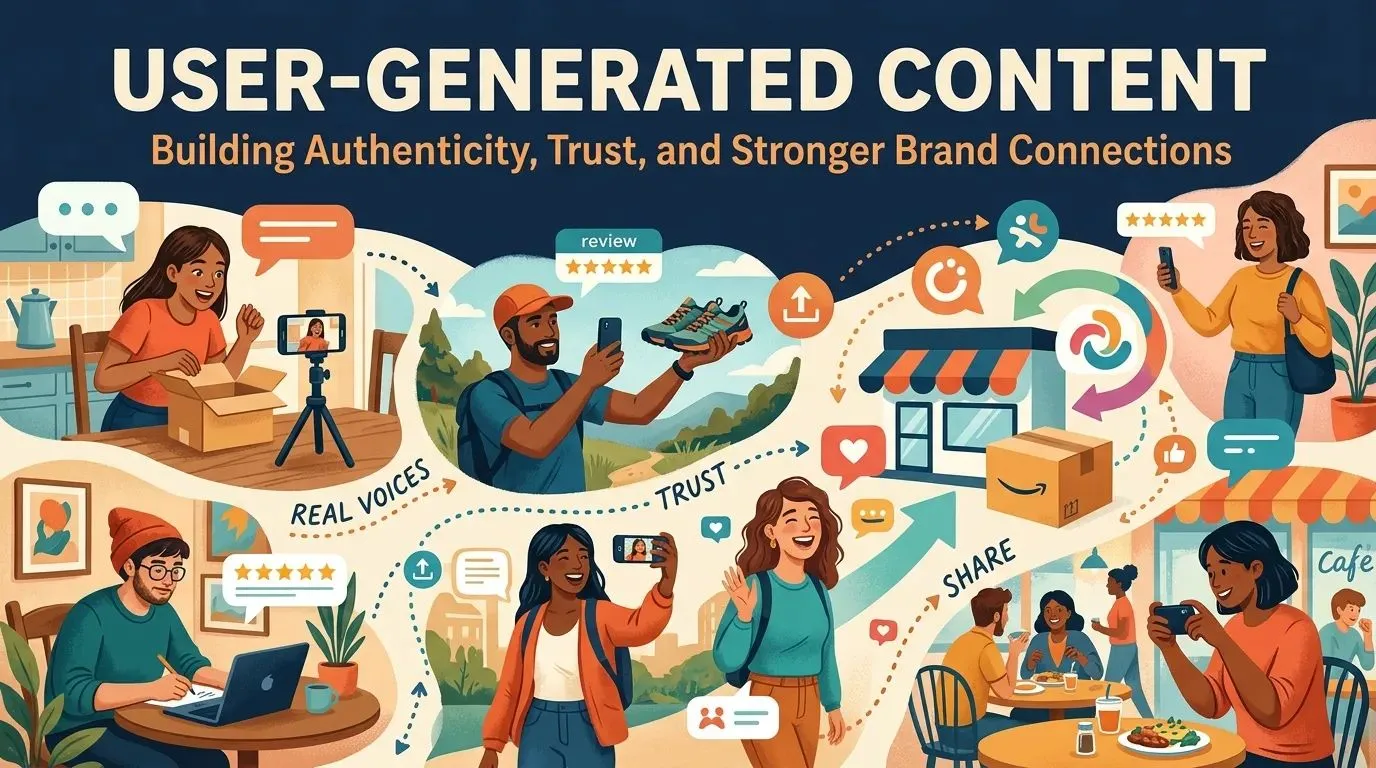
Authenticity is central to successful influencer brand collaboration. Audiences know how creators normally communicate, which means they can often recognize when sponsored content feels completely disconnected from the creator's usual personality.
Businesses should therefore select influencers who have a natural connection to the product or subject. A creator who already discusses a relevant topic can often incorporate a product into their content more naturally.
Authenticity does not mean that businesses should remove all campaign requirements. Important product information, legal disclosures, brand guidelines, and prohibited claims still need to be communicated clearly.
The most effective approach is usually collaborative. Brands provide product knowledge and campaign objectives, while creators contribute their understanding of audience expectations and content culture.
Creator communication can also contribute to stronger brand memory. Repeated exposure to recognizable ideas and associations can help audiences remember a company over time. Businesses can explore the science of brand memory to better understand how memorable brand communication can support long-term recognition.
Following Influencer Marketing Trends
Influencer marketing continues to evolve as platforms, technologies, and audience habits change. Short-form video, live content, creator storytelling, educational collaborations, and niche communities have become important parts of many influencer programs.
Smaller creators are also receiving greater attention because audience size does not always determine influence. A creator with a focused community may generate meaningful conversations because followers have a strong interest in the specific topic being discussed.
Brands are also looking at creators as part of larger content ecosystems. With appropriate permissions, creator-generated content can sometimes be used across social media, websites, advertisements, email marketing, and other promotional channels.
New digital environments may create further opportunities for creator partnerships. Concepts such as metaverse branding and virtual experiences can provide useful ideas for businesses considering how influencer activity may develop alongside emerging digital experiences.
Improving Influencer Audience Engagement
Influencer audience engagement provides insight into how people respond to creator content. Reach can show how many people potentially encountered a message, but engagement can reveal whether audiences actually interacted with it.
Comments, shares, saves, direct messages, clicks, reactions, and video interactions can all provide useful information. However, these measurements should always be interpreted according to the campaign's objective.
Creators can encourage engagement through useful information, demonstrations, questions, discussions, personal experiences, and interactive formats. Content that gives audiences a reason to respond is often more valuable than content that simply presents a promotional message.
Engagement quality is also important. A smaller number of meaningful conversations from relevant potential customers may provide greater value than a large number of superficial interactions.
Measuring Influencer Marketing Performance Metrics
Influencer marketing performance metrics help businesses understand whether campaigns are producing meaningful results. The right metrics depend on what the business wants the campaign to achieve.
Awareness campaigns can evaluate reach, impressions, views, mentions, and audience growth. Engagement-focused campaigns may examine comments, shares, saves, reactions, and other forms of interaction.
Traffic-oriented campaigns can measure link clicks, referral visits, landing-page activity, and website behavior. Sales campaigns may use tracked URLs, discount codes, conversions, revenue, and customer acquisition information.
Tracking should be established before a campaign begins. Creator-specific links, campaign landing pages, unique promotional codes, and platform analytics can help businesses connect influencer activity with measurable outcomes.
This makes it easier to determine which creators, formats, and messages are contributing to the campaign's objectives.
Balancing Creativity With Brand Consistency
Influencer marketing requires a balance between creative freedom and brand consistency. If businesses attempt to control every word or visual detail, the content may lose the natural quality that makes creator partnerships valuable.
However, creators still need enough information to represent the brand accurately. Campaign briefs can provide important product details, key messages, visual requirements, disclosure expectations, and restrictions around claims.
The best results often come from collaboration rather than complete control. The business understands its objectives and products, while the creator understands the audience and content environment.
When these perspectives work together, influencer content can remain recognizable as part of the brand campaign without becoming disconnected from the creator's normal communication style.
Managing Influencer Campaign Relationships
Professional relationship management is another important part of influencer marketing. Creators should receive clear information about campaign expectations, deadlines, compensation, approvals, and content requirements.
Businesses should also communicate promptly and honor agreed terms. A positive experience can make creators more willing to collaborate again, creating opportunities for long-term partnerships.
After a campaign, brands can review results and share useful insights with creators. Understanding which content generated the strongest audience response can help both sides make better decisions for future collaborations.
Strong relationships are built through respect and transparency rather than treating creators as one-time promotional channels.
Integrating Influencer Marketing Into a Larger Brand Strategy
Influencer marketing can become more valuable when connected with other marketing activities. Creator campaigns can support product launches, social media programs, content marketing, public relations, community initiatives, and customer engagement.
A company might use an influencer to introduce a product, then publish supporting information on its website and use approved creator content across its social channels. Customers can subsequently encounter the same product through several connected touchpoints.
This integrated approach can strengthen familiarity and make the overall marketing message easier to understand. It also allows businesses to gain more value from individual creator collaborations instead of treating each post as an isolated activity.
For businesses such as SanMo Bangladesh, combining creator communication with broader digital marketing and brand-building activities can create additional opportunities to connect with audiences across different channels.
Common Influencer Marketing Challenges
Influencer marketing can produce disappointing results when creators are selected mainly because of their follower numbers. Large audiences do not automatically mean strong relevance or meaningful engagement.
Unclear expectations can create another challenge. Problems involving deadlines, deliverables, payment, approvals, disclosures, or content rights can affect the relationship and campaign outcome.
Measurement is also a common difficulty. Engagement can demonstrate audience activity, but it does not necessarily prove that a campaign generated revenue or long-term customer value. Connecting measurements to the original campaign objective is therefore essential.
Reputation requires attention as well. A creator's public actions can influence how audiences view associated brands. Researching creators carefully and maintaining clear agreements can help businesses manage potential risks.
The Future of Influencer Marketing Strategy
Influencer marketing will continue to develop alongside changing social platforms, technologies, content formats, and audience expectations. Creators are becoming important sources of discovery, education, entertainment, and community interaction.
Long-term partnerships may become increasingly valuable as brands seek stronger relationships with relevant creator communities. Smaller niche creators can also remain important because of their ability to connect with highly focused audiences.
Technology may introduce new forms of creator-led experiences, interactive content, personalized campaigns, and virtual engagement. Despite these changes, the basic principles of successful influencer marketing will remain consistent.
Brands need to focus on relevance, trust, authenticity, creative quality, and measurable value. When the right creator, audience, message, format, and business objective are brought together, influencer marketing can contribute to both immediate campaign performance and long-term brand growth.
Frequently Asked Questions
1. What is an influencer marketing strategy?
An influencer marketing strategy is a structured plan for using creators to communicate a brand, product, or service to a relevant audience. It can include influencer research, selection, outreach, campaign development, content creation, relationship management, and performance measurement.
2. Why is an influencer marketing strategy important?
An influencer marketing strategy helps businesses give their creator partnerships a clear purpose. It allows brands to connect influencer activity with broader objectives while improving creator selection, campaign organization, communication, and measurement.
3. What is an influencer marketing campaign?
An influencer marketing campaign is a coordinated promotional effort involving one or more content creators. It can include sponsored posts, product reviews, demonstrations, videos, live sessions, testimonials, giveaways, or other creator-led content.
4. How do businesses choose the right influencer?
Businesses should examine audience relevance, content quality, engagement, communication style, reputation, previous partnerships, and overall alignment with the brand. Follower count can provide useful context but should not be the only selection factor.
5. What is an influencer outreach strategy?
An influencer outreach strategy is the process of identifying suitable creators and contacting them about potential collaborations. Personalized communication can help demonstrate why a creator is relevant to a particular campaign.
6. How can brands improve influencer audience engagement?
Brands can encourage engagement by working with relevant creators and supporting content that is useful, entertaining, educational, or interactive. Questions, demonstrations, discussions, live sessions, and personal experiences can encourage audiences to participate.
7. What are common influencer marketing tactics?
Common tactics include sponsored posts, product reviews, tutorials, demonstrations, testimonials, unboxing videos, giveaways, short-form videos, live streams, educational content, and long-term creator partnerships.
8. What are influencer marketing performance metrics?
Common metrics include reach, impressions, views, comments, shares, saves, clicks, website traffic, conversions, revenue, mentions, and customer acquisition. The most appropriate metrics depend on the campaign's objective.
9. Are smaller influencers useful for influencer marketing?
Yes. Smaller influencers can be highly useful when they have audiences that closely match a brand's target market. Their communities may be more focused around specific interests, making them valuable for niche campaigns.
10. How can businesses build long-term influencer partnerships?
Long-term partnerships can be developed through careful creator selection, clear communication, fair compensation, creative flexibility, professional campaign management, and ongoing relationship building. Sharing campaign insights can also improve future collaborations.
11. Why is authenticity important in influencer marketing?
Authenticity helps sponsored content feel natural to the creator's audience. When a product genuinely fits the creator's interests and communication style, followers may be more receptive to the partnership.
12. Should brands focus on followers or engagement?
Both metrics can provide useful information, but follower count alone does not indicate campaign quality. Audience relevance, engagement quality, content fit, and creator credibility can be more important when evaluating potential partnerships.
13. How can influencer campaign ROI be measured?
Businesses can measure campaign ROI using tracked links, unique promotional codes, landing pages, conversion tracking, revenue information, and customer acquisition data. Tracking should be planned before the campaign begins.
14. What makes influencer outreach effective?
Effective outreach is personalized, concise, relevant, and professional. Showing that the brand understands the creator's content and audience can make the partnership proposal more compelling.
15. Can influencer content be used on other marketing channels?
Yes, when the appropriate permissions and usage rights are in place. Creator content can potentially support social media, websites, advertising, email campaigns, and other promotional activities.
16. What are the biggest challenges in influencer marketing?
Common challenges include selecting poorly matched creators, unclear campaign expectations, weak communication, difficult performance measurement, reputation concerns, and maintaining authenticity while meeting brand requirements.
17. Why are niche influencers becoming more popular?
Niche influencers often build communities around specific interests or subjects. Although their audiences may be smaller, their followers can be highly relevant to particular products, services, and industries.
18. How does influencer marketing improve brand awareness?
Creators can introduce brands to established communities and expose audiences to products, services, messages, and brand values. Repeated relevant exposure can strengthen familiarity and recognition.
19. Should influencers have creative freedom?
Influencers should generally have reasonable creative freedom while following important brand, legal, and campaign requirements. Their understanding of their audience can help make sponsored content more natural and effective.
20. What is the future of influencer marketing?
The future of influencer marketing will likely involve more niche communities, long-term creator relationships, short-form content, live experiences, personalized campaigns, and emerging digital technologies. Authenticity, relevance, trust, and measurable value will remain important.
Conclusion
A successful influencer marketing strategy goes beyond choosing popular creators and paying for promotional posts. It requires businesses to understand their audiences, identify relevant creators, develop clear campaign objectives, encourage authentic content, manage relationships professionally, and measure outcomes against meaningful goals.
When brands and creators work together effectively, influencer marketing can become an important part of a wider brand-building strategy. The combination of creator credibility, audience relevance, engaging content, and consistent brand communication can help businesses strengthen awareness, engagement, trust, and long-term customer relationships.
As the creator economy continues to evolve, businesses that prioritize authentic partnerships and measurable value will be better positioned to make influencer marketing a sustainable part of their overall marketing efforts.


























Sign in to leave a comment.