

The granite wilderness of Jawai offers an encounter with an ancient rhythm of existence that remains unbroken by modern urbanization. Set against jagged monolithic hills sculpted across millennia, this terrain supports a delicate balance between fierce apex predators and enduring pastoral traditions. While visitors frequently travel across Rajasthan in pursuit of wildlife corridors, genuine immersion into the rural heritage of the region reveals why humans and big cats have shared this sanctuary without conflict for centuries. At the center of this landscape, choosing an authentic resort in Jawai allows travelers to step directly past commercialized tourist itineraries into the quiet truth of indigenous village traditions.
The Sacred Accord of the Rabari Pastoralists
Centuries of continuous habitation by the indigenous Rabari community have shaped the cultural geography of Pali district. The Rabari, recognizable by their vibrant crimson turbans, white tunics, and intricate silver ornamentation, trace their lineage through spiritual bonds with livestock and the land. In local folklore, they honor the leopard as a divine associate of Ambe Mata, their protective deity. When a big cat occasionally hunts a goat or a calf from an enclosure, the loss is traditionally viewed not with vengeance, but as a consecrated offering.
This spiritual worldview forms the bedrock of peaceful coexistence. In settlements such as Sena, Bera, and Perwa, mud-plastered homesteads sit directly beneath rocky hills where leopards dwell in natural caves. Children walk along sandy trails to school alongside grazing cattle, passing within stone’s throw of granite fissures where wild felines rest during midday heat. Witnessing this mutual tolerance dismantles conventional ideas about territorial wildlife boundaries and highlights the profound environmental literacy passed across Rabari generations.
Architectural Harmony and Sustainable Living
Traditional architecture throughout Jawai reflects vernacular building methods developed to counter severe semi-arid climate conditions. Dwellings are constructed using sundried earthen bricks, limestone washes, and thick thatch woven from native grasses and wild brush. These breathable, thick walls maintain cool interiors during sweltering pre-monsoon afternoons and trap radiant warmth throughout winter desert nights.
Courtyards, known locally as aangans, function as the communal core of each household. Here, women grind whole bajra (pearl millet) on stone rotary mills, churning fresh curd into butter and preparing wholesome regional staples over wood-burning clay stoves. The aroma of roasted cumin, smoky bajra roti, and wild cluster beans simmered in buttermilk defines everyday domestic life. Everything produced within the village economy operates on closed cycles of reuse, where dry dung cakes serve as clean fuel, crop stalks feed working cattle, and rain runoffs are directed to localized catchment bunds.
Dawn and Dusk Along Rural Pastoral Trails
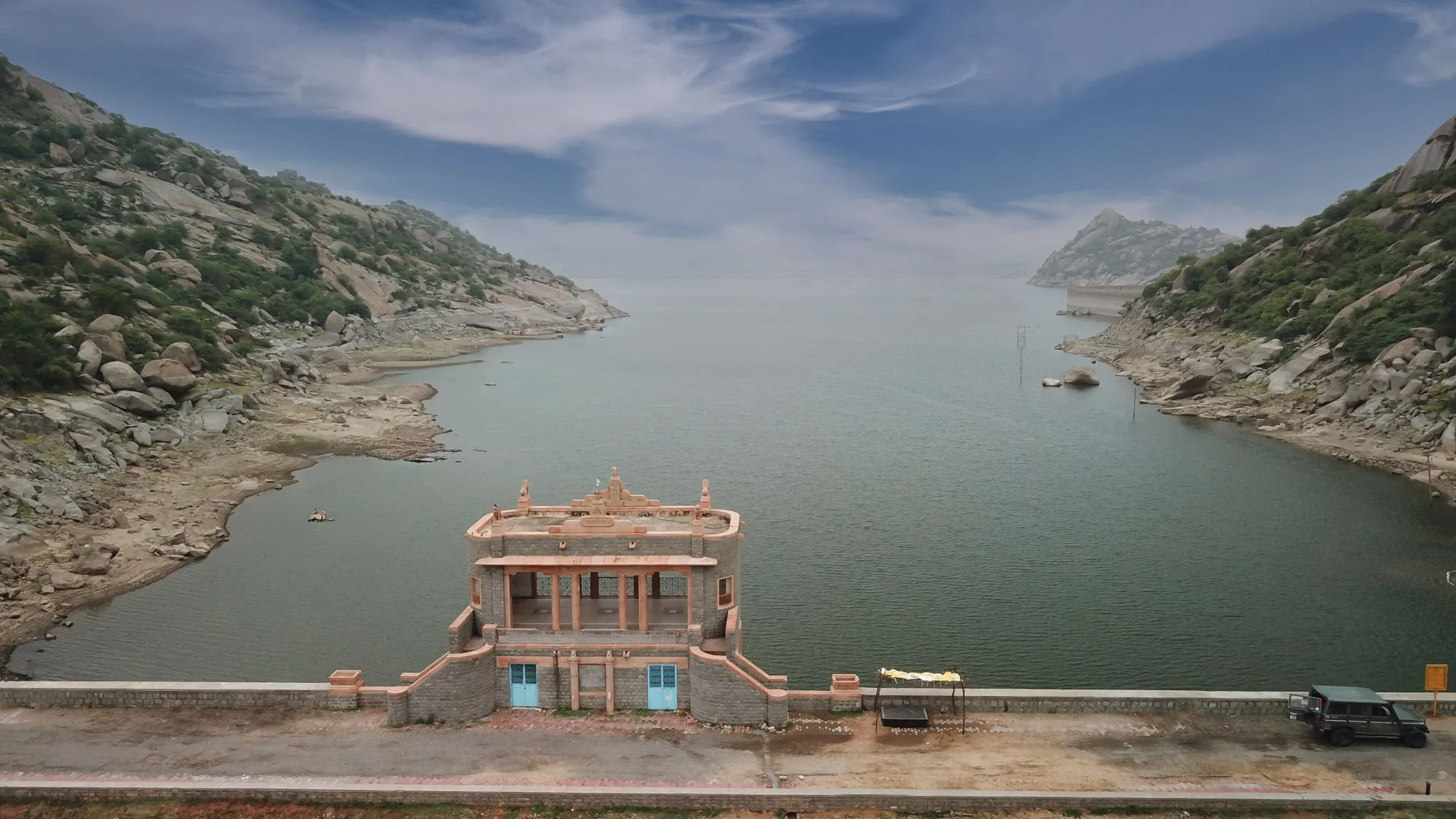
Experiencing life inside these rural quarters requires rising before first light, when the temple bells echo against the granite rocks. Herdsmen untie their cattle, leading them across thorn forests toward shallow grazing plains around the Jawai Bandh basin. The sound of copper bells fastened around the necks of cattle fills the morning air, accompanied by the low melodic calls shepherds use to guide their animals.
As shadows lengthen toward dusk, the landscape shifts character. While many visitors embark on an organized Jawai leopard safari to track predators ascending the cooling kopjes, the village perimeter settles into reflective quietude. Elders gather on raised stone platforms under village neem trees to discuss rainfall projections, seasonal forage conditions, and community events, sharing hand-rolled bidis and warm cups of sweet, cardamom-spiced tea.
Authentic Cultural Etiquette for Mindful Visitors
Entering traditional rural hamlets requires cultural mindfulness and respectful engagement:
- Seek explicit consent from local residents before photographing families, homesteads, or religious shrines.
- Dress modestly to honor traditional pastoral customs, covering shoulders and knees when walking through residential lanes.
- Remove footwear before entering village homes or courtyard boundaries.
- Accept offered refreshments, such as sweetened chai or fresh goat milk, with your right hand as an acknowledgment of hospitality.
- Maintain complete silence around village grazing routes to avoid distressing domestic livestock and wandering wildlife.
The Living Legacy of the Granite Hills
The true beauty of Jawai lies not merely in wildlife sightings, but in the timeless resilience of its local stewards. By exploring the living village roots of the region, travelers witness an ecological model where heritage, domestic simplicity, and wild nature flourish alongside one another. The Jawai Sagar serves as a gateway to this rare intersection of human pastoral wisdom and raw landscape, ensuring that your journey across Rajasthan leaves an enduring appreciation for the communities who preserve this balance every day.

























Sign in to leave a comment.