Inside Sprintpackage's 20,000㎡ Automated Facility for Paper Cylinder Packaging

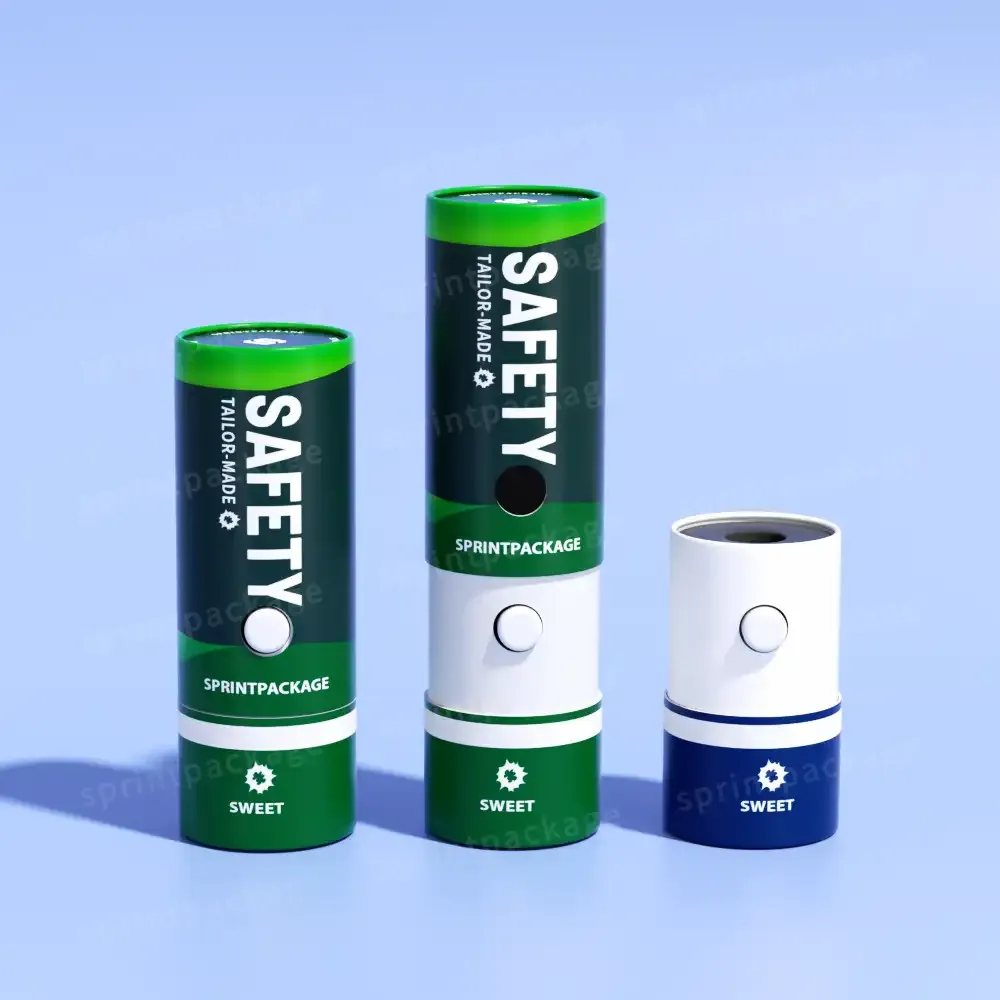
Behind every neat paper tube on a retail shelf is a factory that has to cut, roll, glue, print, and inspect thousands of units without letting quality slip. A buyer who has never seen the production floor can still learn a great deal by understanding how a modern tube factory is organized and which questions reveal its strengths. Sprintpackage, based in Guangzhou, is described by the company as operating a large automated facility, a figure of around twenty thousand square meters being cited for it. This article looks at what a facility of that kind typically involves, why automation matters for paper cylinder packaging, and how a buyer can verify what a supplier says about its factory.
The Flow of a Tube Factory
Tube production follows a logical path. Paper is slit into strips of the correct width, coated with adhesive, and wound around a mandrel to form a tube. The tube is cut to length, finished, and fitted with bases, lids, or other parts. Printing may happen on the paper before winding or on the finished surface afterward. A large floor space helps because each stage needs room for material storage, machines, drying, and inspection. Good layout reduces handling, which reduces damage and lost time. When visiting or reviewing a factory, ask the supplier to walk you through the sequence and show where quality checks occur.
What Automation Brings
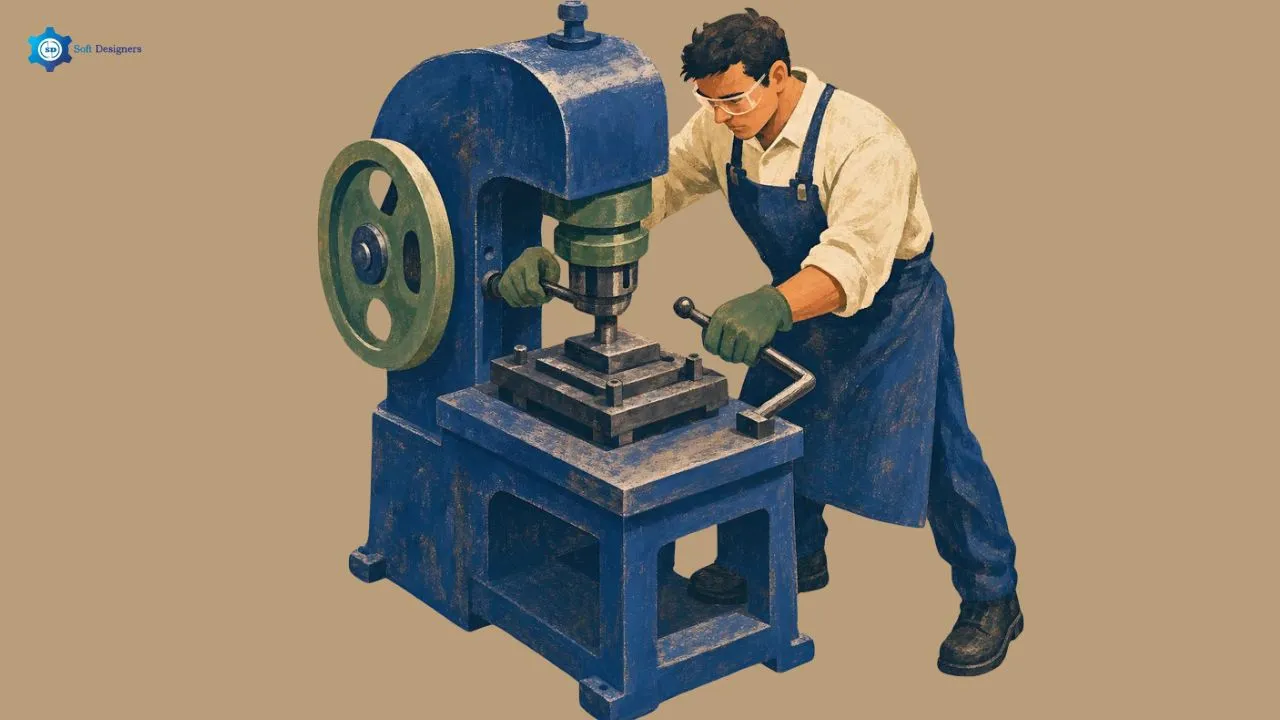
Automation improves consistency. Machines wind the same number of layers with the same tension and glue amount every time, which makes tube wall strength and dimensions more predictable. Automated cutting produces uniform lengths, and automated feeding reduces variations between operators. It also increases throughput, so large orders can be completed on schedule. However, automation is not a magic switch. Machines need skilled setup, maintenance, and monitoring, and short custom runs still need human judgement. The best factories combine automated lines for repeatable work with trained staff for special tasks, creating a balance between speed and flexibility.
Space, Storage, and Material Handling
A big building is useful only if it is well used. Paper is bulky and sensitive to humidity, so raw material storage matters. Finished tubes also take up space and need protection from moisture and crushing until they ship. Clean, organized storage prevents the dents, stains, and warping that make buyers reject deliveries. The company website does not state factory size or automation levels, so buyers who want assurance should ask for photographs, video tours, or an inspection visit. Seeing how rolls of paper and pallets of finished tubes are stored often says more about quality than any brochure statement.
Printing and Finishing Capability
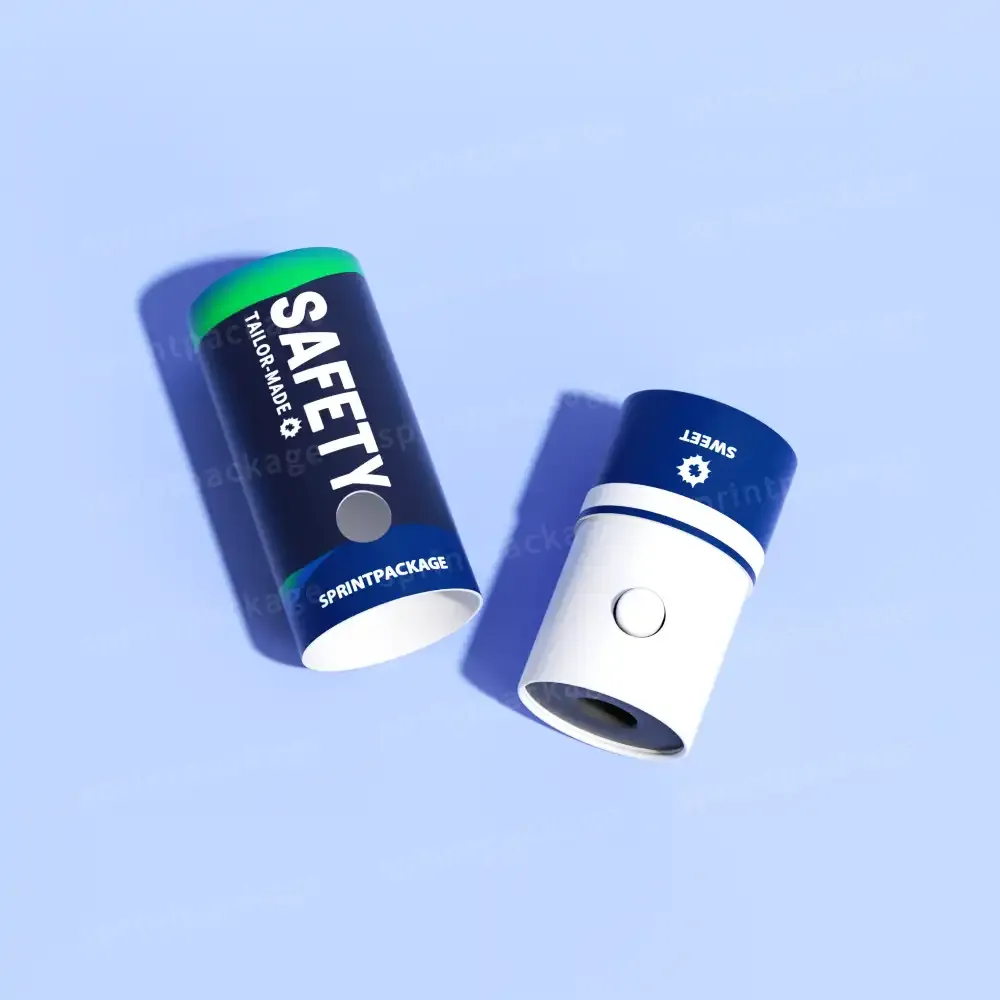
The company mentions a full set of advanced printing equipment and lists color printing, embossed details, and polishing among its options. Having printing under the same roof as tube forming helps coordination, because artwork, color matching, and production timing are managed together. It also shortens lead times, since tubes do not have to travel between separate vendors. Buyers should ask what printing methods are used, how color is checked, and how finishes are applied. Request physical samples for a good look at print quality, since screen images can be misleading. Integrated printing is a real advantage when handled carefully.
Quality Checks Along the Line
Quality control works best when it is built into each stage, not just at the end. Typical checks include measuring tube diameter and wall thickness, testing glue strength, inspecting print color and registration, and checking that lids fit properly. Random sampling from each batch catches problems before they spread across an entire order. Ask the supplier how defects are recorded and what happens when a batch fails inspection. A transparent process, with clear criteria and records, tells you far more than a general promise of quality. It shows the factory has a system, not just good intentions. Numbers on a website are only a starting point. To verify, request a video call from the production floor, ask for photographs with dates, and where possible, arrange a visit or a third-party inspection.
Ask for references from customers in your market, noting that the site mentions more than two hundred and fifty brand clients and exports to markets such as the USA, Canada, the UK, and Australia. Compare what you see with what you were told. A supplier confident in its facility will welcome the scrutiny, and that confidence, backed by evidence, is the best foundation for a long working relationship. Keep these points in mind whenever you compare paper cylinder packaging options for your own products.





Sign in to leave a comment.