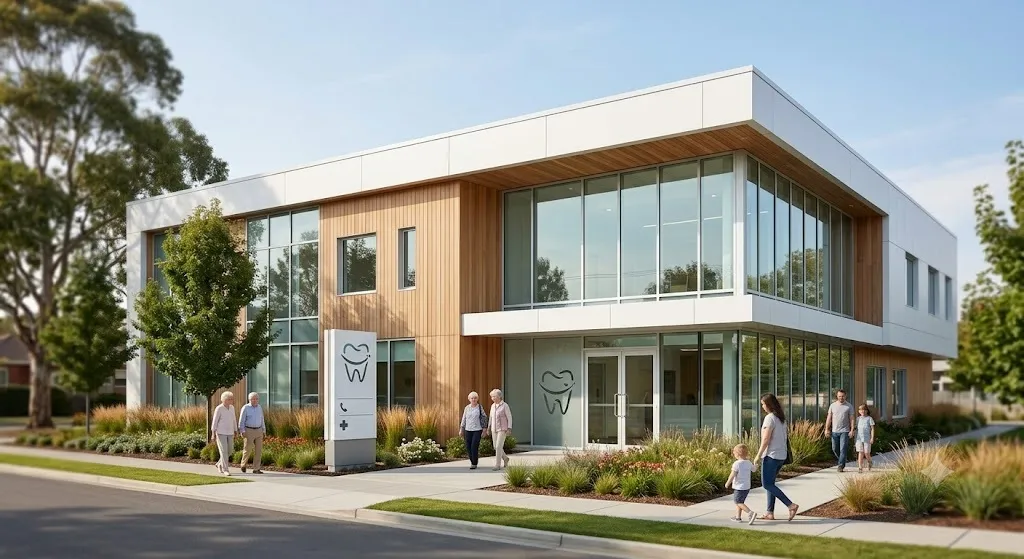


A snapped tooth during dinner or a jaw that won't stop throbbing rarely happens on a convenient schedule. What separates a place that can actually help in that moment from one that can't often comes down to systems built long before the phone ever rings.
Sorting Pain From Panic
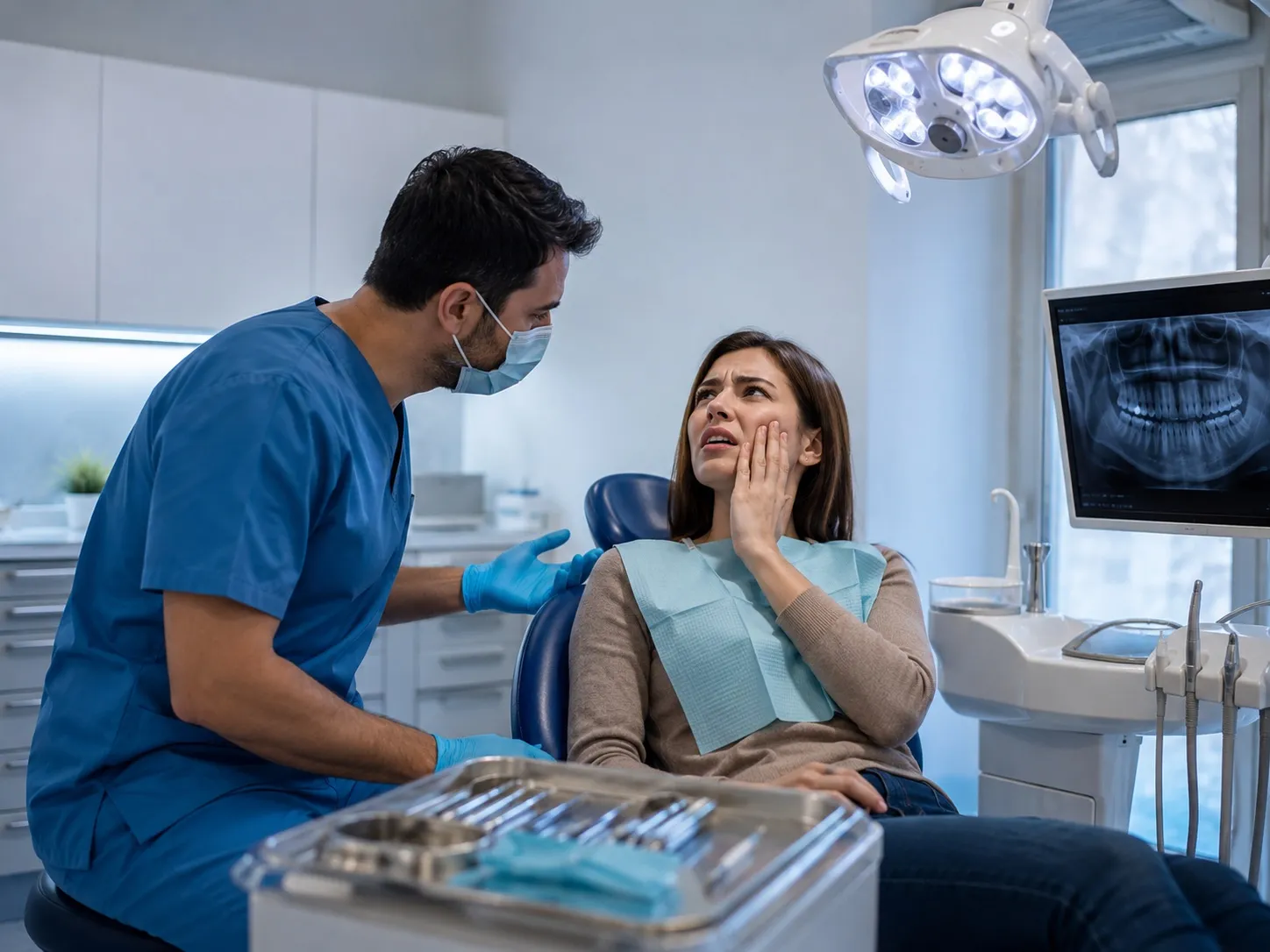
Fear makes small problems feel huge & real emergencies feel manageable. Because of this, the first job of any dental care facility isn't treatment, it's sorting. Staff ask about swelling, bleeding, fever & how long the pain has lasted. A chipped tooth with no pain waits for a normal appointment. A swollen jaw pressing against the throat does not. For top-quality oral care, visit our oral health centre in Mitcham - Click here to book your visit!
Why Speed Matters More Than People Realize
Delaying care on certain injuries changes the outcome entirely. A tooth knocked out has roughly a thirty to sixty minute window before the chance of saving it drops sharply. Infections left untreated can spread from the mouth into deeper tissue within days. This narrow margin is why many practices now build same-day slots into every week instead of treating emergencies as an inconvenience to squeeze in.
Tools That Cut Down Waiting
Digital scanning has replaced a lot of guesswork. A dentist can pull up an image of the problem area within seconds instead of developing film, which used to add real delay to an already painful visit. Some offices also use short video calls before the patient even leaves home, so the dentist can judge severity as well as prepare the right equipment in advance.
Stabilize First, Fix Later
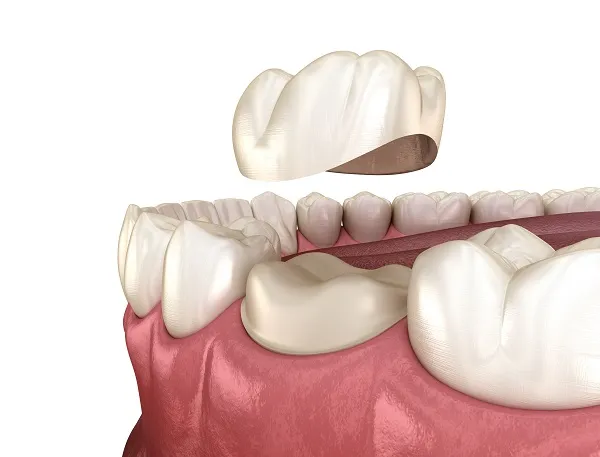
Emergency visits rarely end with a finished treatment plan. The priority is controlling pain, stopping infection & protecting the tooth from further damage. A root canal, crown or extraction usually happens on a later date once the crisis has passed. This staged approach keeps emergency chairs available for the next urgent case instead of tying them up for hours.
The Shift Toward Round-the-Clock Access
Weekend & night coverage used to be rare outside hospitals. That's changing. More practices now share on-call rotations or keep a dedicated emergency line active outside normal hours. For patients, this means fewer unnecessary trips to a hospital ER as well as for dentists, it means catching problems before they turn into something worse.
What This Means Going Forward
Patients are starting to factor emergency access into how they choose where to get regular care, not just where to go when something breaks. That expectation is quietly reshaping how practices plan their staffing, hours & equipment.
Author Bio:-
Ansley has 12 years of experience in the dental world. You can find his thoughts at surgical periodontal blog.
























Sign in to leave a comment.