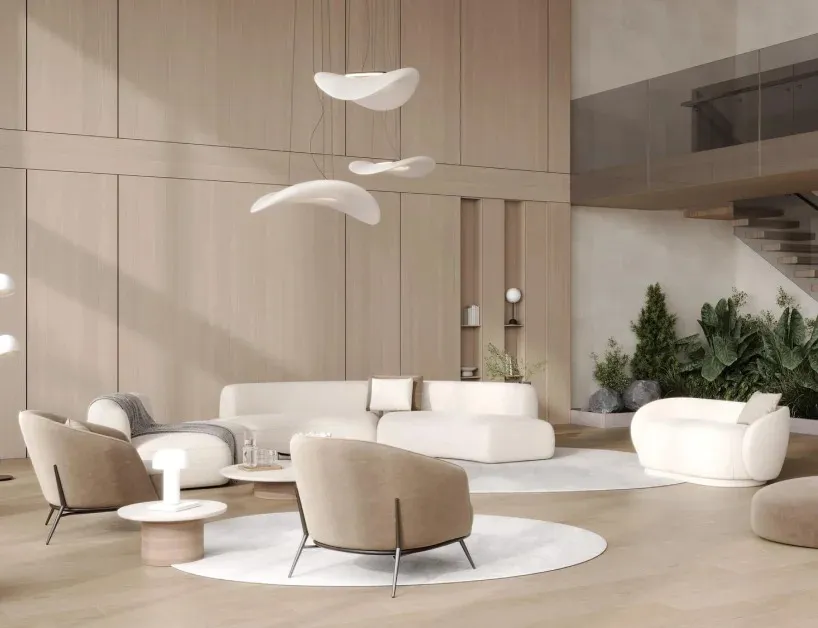

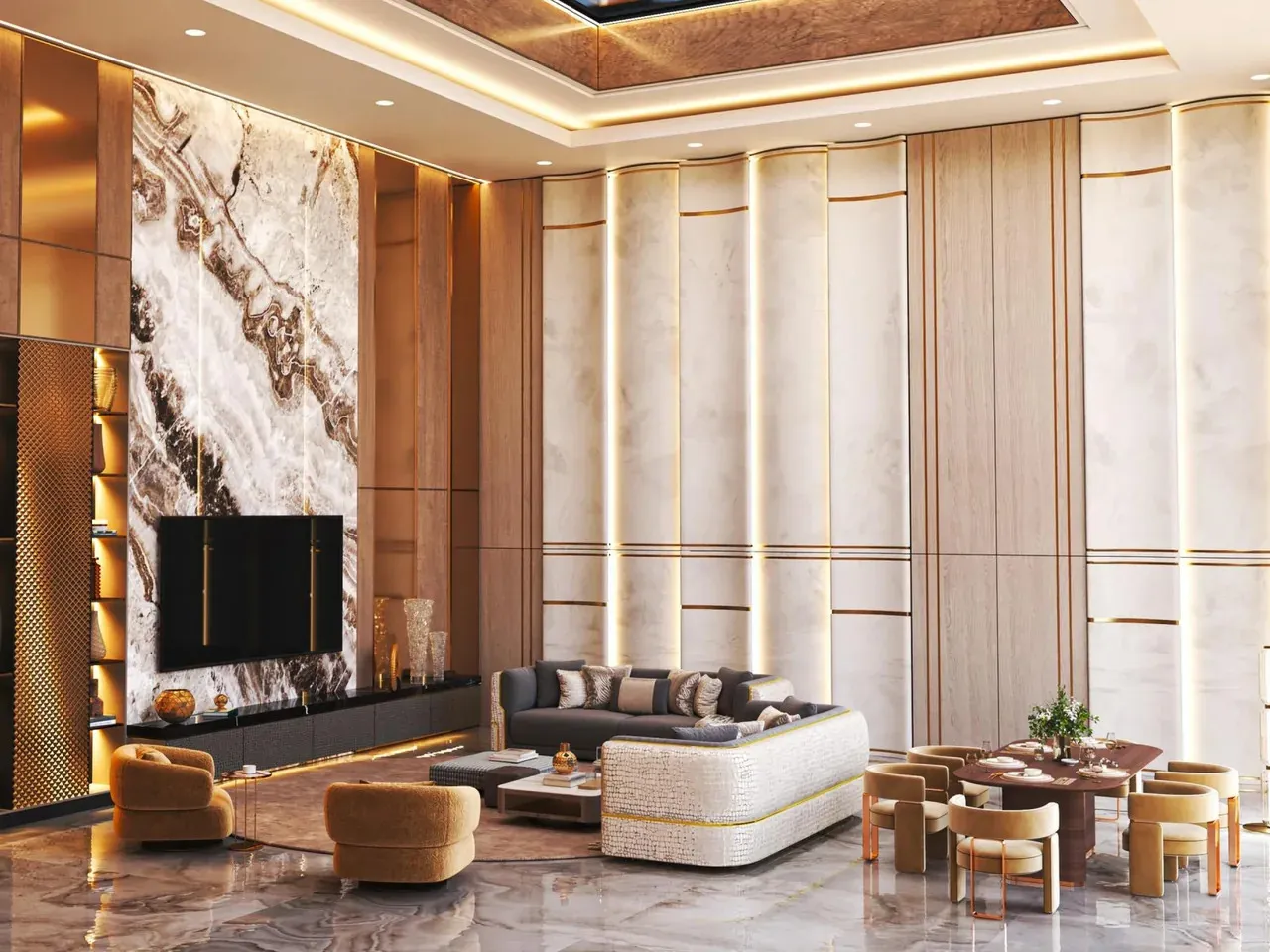
Have you ever sat in a room you spent a fortune on and still felt like it wasn't yours? It happens more often than people admit. Beautiful marble, expensive furniture, the right brands on paper, and yet the space feels like a showroom someone else moved into. It looks designed. It doesn't feel lived in.
That gap is usually the result of a project passed through too many hands, which is why working with a single interior designer tends to produce a different outcome than routing everything through a larger team.
What Actually Changes With a One-on-One Setup
Working directly with one person rather than a firm means you're not handed off to a junior once the contract is signed. You talk to the same person throughout. You make decisions with the same person. The space that results reflects how you actually live, rather than a template applied to your floor plan by whoever happened to be assigned that week.
There's no committee softening your ideas into something safe and forgettable along the way. A single point of view carrying the vision from first sketch to final walkthrough is often the difference between a home that photographs well and one that feels right at seven in the morning on an ordinary Tuesday.
Flexibility That a Bigger Team Can't Really Offer
Because one person is handling both the creative and technical sides, you can flex the level of involvement without navigating layers of communication. Some clients want to weigh in on every fabric choice. Others want to approve the big moves and trust the rest to someone experienced. Getting that flexibility from a large team usually means someone new is involved every time your preferences shift.
This matters just as much for smaller projects. Not every job needs a full home transformation, and scaling involvement to a single room or a focused consultation is far easier with one dedicated designer than with a firm structured around bigger engagements.
Why Continuity Protects the Result
A design that only lives on a drawing isn't worth much once construction starts. A tile can be laid in the wrong direction. A socket can end up positioned where furniture was meant to sit. These details are easy to lose on projects that run on autopilot, which happens more often when responsibility is split across a rotating team rather than held by one person from concept through execution.
Staying close to the work during the build phase, rather than treating it as separate from the design itself, is part of what keeps the finished space matching what was originally agreed.
Not the Right Fit for Everyone, and That's Fine
Working one-on-one isn't the cheapest or fastest option available. If the priority is the quickest possible turnaround and the result feeling personal isn't a major concern, there are faster, more transactional routes. But for anyone who wants a home that genuinely fits their routines, their taste, and the way their family actually moves through a space, close involvement with a single designer tends to be the more reliable path there.
The Trust Question
You don't need to share the same taste as an interior designer to get good results from them. You need to trust that the result will reflect yours. The role isn't to impose a signature look on a property, it's to translate who you already are into a space that feels unmistakably like you. Most people can tell within the first real conversation whether that fit is there.
Choosing the Right Structure for Your Project
There's no universally correct answer between a design team and a single interior designer, but the trade-offs are worth being honest about. A team can offer more hands for very large or fast-moving projects. Going with one dedicated person instead tends to offer more continuity, closer attention to detail, and a home that feels considered from the first sketch to the last light fixture.
If what you're after is a space that feels genuinely like yours rather than one that simply looks expensive, the structure of who's designing it matters just as much as the budget behind it.
Ask yourself what actually frustrates you about your current space. If the answer involves feeling unheard, decisions made without you, or a result that never quite matched what you pictured, those are usually symptoms of a process with too many hands in it, not symptoms of bad taste on anyone's part. Fixing that starts with choosing a structure built around continuity rather than volume.























Sign in to leave a comment.