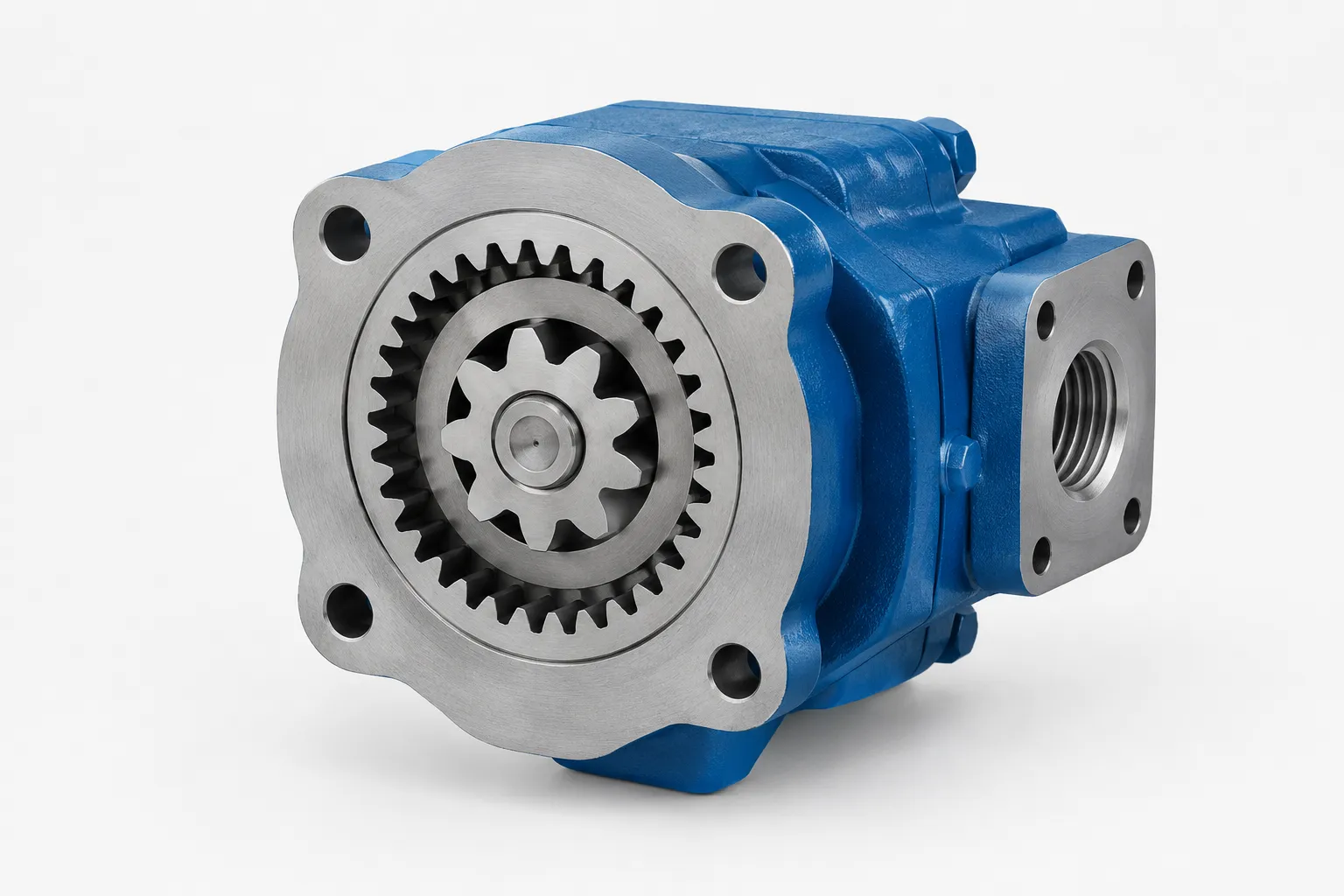

The internal gear pump is one of the most elegant solutions in positive displacement pump engineering, using the interplay of a rotor and idler gear to create a smooth, low-pulsation pumping action that suits the transfer of viscous fluids, shear-sensitive materials, and the precision metering applications where pulsation cannot be tolerated. For procurement engineers and maintenance teams evaluating internal gear pump manufacturers in India, understanding what separates a quality gear pump from a substandard one, how the internal gear pump compares to an external gear pump for specific applications, and what material and configuration options the Indian market offers helps make the right pump selection decision.
How Does an Internal Gear Pump Work?
An internal gear pump operates through the rotation of an externally toothed idler gear within a larger, internally toothed rotor gear. The two gears are mounted on separate shafts with the organisation's centres offset, so as the rotor turns, the idler rotates within it at a different speed. A fixed crescent-shaped divider between the two gears separates the suction and discharge chambers created as the gear teeth come into and out of mesh.
Fluid enters the pump as the gear teeth unmesh on the suction side, filling the expanding cavities between the teeth and the crescent. The fluid is carried around between the rotor teeth and the crescent on one side and between the idler teeth and the crescent on the other, and is discharged as the teeth re-mesh and the cavities close on the pressure side. The smooth, continuous flow profile that this geometry produces is one of the principal advantages of the internal gear pump over the external gear pump for applications sensitive to flow pulsation.
Internal Gear Pump vs External Gear Pump — Key Differences
- Flow smoothness: the internal gear pump produces significantly lower flow pulsation than an equivalent external gear pump, which matters for dosing, metering, and applications where pulsation would affect process quality or cause pressure surges
- Handling of high-viscosity fluids: the internal gear configuration is particularly well-suited to high-viscosity materials because the gentle, slow-speed pumping action fills the rotor and idler tooth spaces completely without the turbulence that can cause cavitation in external gear pumps handling thick fluids
- Speed range: internal gear pumps can be operated at lower shaft speeds than external gear pumps for equivalent flow rates, which reduces shear on sensitive fluids and extends pump life in abrasive applications
- Pressure capability: external gear pumps generally achieve higher maximum operating pressures than internal gear designs of comparable size, making the provider the preferred choice for high-pressure hydraulic applications
- Self-priming: both pump types are self-priming, though the priming performance at low viscosities may differ between designs
What Applications Are Internal Gear Pumps Used For?
Internal gear pump manufacturers in India supply pumps for a wide range of viscous fluid transfer and metering applications:
- Bitumen and asphalt: the transfer of hot bitumen and asphalt in road construction and waterproofing applications, where the high viscosity and temperature of the material require a pump designed for sustained high-temperature operation
- Edible oils and fats: the transfer of vegetable oils, palm oil, and food-grade fats in food processing and refining, where the gentle pumping action and the availability of food-grade materials of construction are both important
- Resins, adhesives, and polymers: the metering and transfer of synthetic resins, hot melt adhesives, and polymer melts where the low pulsation and gentle shear of the internal gear design preserves the material properties
- Chocolate and confectionery: food processing applications where the fluid's rheology makes gentle, temperature-controlled handling critical for product quality
What Materials of Construction Do Indian Internal Gear Pump Manufacturers Offer?
Quality internal gear pump manufacturers in India offer a range of materials of construction to suit the chemical compatibility, temperature, and wear resistance requirements of different applications:
- Cast iron: the standard material for general industrial applications with petroleum-based fluids, bitumen, and non-corrosive chemical services
- Stainless steel (304, 316): for food-grade, pharmaceutical, and corrosive chemical applications where cast iron is unsuitable
- Special alloys: Hastelloy, duplex stainless steel, and other specialist alloys for the most aggressive chemical service conditions
Seal Options for Internal Gear Pumps in Chemical and Food Applications
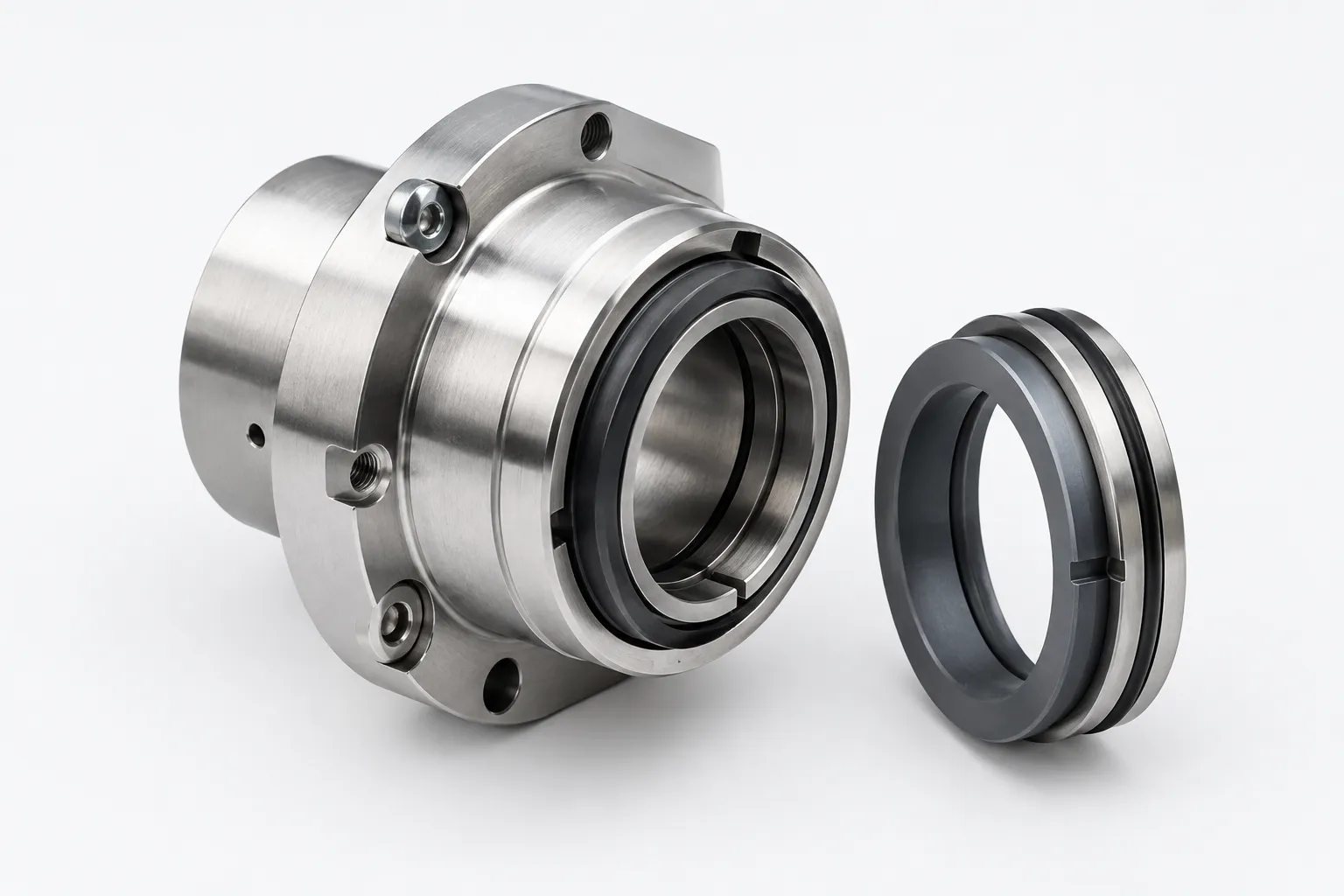
The mechanical seal arrangement of an internal gear pump is a critical selection decision for chemical and food processing applications where the consequences of a seal failure are more significant than in general industrial service. Cartridge mechanical seals are the preferred specification for chemical service internal gear pumps because the pre-set, pre-assembled cartridge format eliminates the installation errors that cause early seal failures in component seal arrangements. Single mechanical seals suit most chemical service applications; double mechanical seals with a barrier fluid are required for highly toxic or flammable fluids where any leakage across the primary seal is unacceptable. For food-grade applications, the seal materials must meet the FDA or EHEDG requirements applicable to the specific food contact context.
Source Internal Gear Pumps from Delta PD Pumps
Delta PD Pumps is an internal gear pump manufacturer and external gear pump supplier in India, producing quality internal gear pumps for chemical, food processing, petroleum, and industrial fluid handling applications. Delta PD Pumps' gear pump range covers standard and custom configurations in cast iron, stainless steel, and special alloy materials with the seal and drive options that specific application requirements demand.



















Sign in to leave a comment.