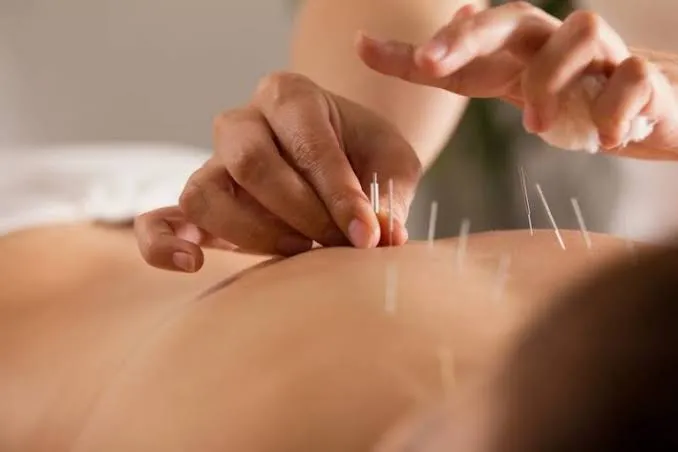

Imagine two athletes with the exact same problem: a tight, knotted muscle in the shoulder that will not release no matter how much they stretch. One books a massage. The other tries dry needle therapy. A week later, one feels looser and more relaxed. The other feels a deep muscle "twitch," some soreness for a day, and then a level of relief the massage never quite reached.
Which one is "better"? The honest answer is that it depends on the problem, the person, and the goal. This article breaks down what dry needling actually is, how it compares to massage, when each one shines, and how to decide which is the right choice for you.

What Is Dry Needling therapy?
Dry needle therapy is a treatment where a trained practitioner inserts a very thin, solid needle directly into a tight band of muscle, often called a "trigger point" or muscle knot. The needle is called "dry" because nothing is injected through it, unlike a regular medical injection.
The goal is to target the muscle at a very specific, deep point that hands alone often cannot reach. When the needle enters a trigger point, it can trigger a small involuntary muscle twitch. This twitch is actually a good sign. It often means the tight muscle fiber is releasing.
Dry needling therapy is commonly used for:
- Muscle knots and trigger points
- Chronic muscle tightness
- Tension headaches
- Shoulder, neck, and lower back pain
- Sports injuries involving overworked muscles
- Recovery support alongside physical therapy
Example: A runner with a deep, stubborn knot in the calf that has not improved with stretching or foam rolling might find that a few dry needling sessions reach the exact spot that self-care could not.
What Is Massage Therapy?
Massage therapy uses hands, forearms, or tools to apply pressure, kneading, and stroking movements to the muscles and soft tissue. It works on the surface and mid-layers of muscle, improving blood flow, reducing overall tension, and encouraging relaxation.
Massage is often used for:
- General muscle tension and stress relief
- Improving circulation
- Relaxation and stress reduction
- Mild to moderate muscle soreness
- Supporting recovery after training
- Overall wellness and body awareness
Example: An athlete who just finished a hard training block and feels generally stiff and fatigued, without one specific painful spot, often benefits from a full-body massage to relax the muscles and support recovery.
Dry Needling vs. Massage: Key Differences
| Factor | Dry Needling | Massage Therapy |
|---|---|---|
| Tool used | Thin solid needle | Hands, forearms, or tools |
| Depth of treatment | Deep, targets specific muscle fibers | Surface to mid-layer muscle |
| Precision | Very precise, targets exact trigger points | Broader, covers larger muscle areas |
| Sensation during treatment | Brief twitch or ache, then release | Pressure, kneading, generally relaxing |
| Common use case | Stubborn knots, chronic tightness, specific pain | General tension, relaxation, overall recovery |
| Session feel afterward | Possible soreness for 24 to 48 hours | Usually immediate relaxation, minimal soreness |
| Who performs it | Licensed physical therapist or trained provider | Licensed massage therapist |
Neither treatment is automatically "better." They are different tools for different jobs, and many people actually benefit from both at different times.
When Dry Needling Tends to Work Better
Dry needling often stands out when the problem is deep, specific, and stubborn.
1. Deep trigger points that will not release. Some muscle knots sit too deep for hands to fully reach. A needle can get to that exact spot directly.
2. Chronic pain that has not responded to other treatment. If someone has tried stretching, massage, and rest without lasting relief, dry needling can sometimes break the cycle by directly resetting the overactive muscle fiber.
3. Sport-specific overuse issues. Athletes who repeat the same motion constantly, like pitchers, runners, or swimmers, often develop very localized tight spots that respond well to targeted needling.
4. Combined with physical therapy. Dry needling is frequently used as one part of a larger treatment plan, alongside stretching, strengthening, and movement correction, rather than as a stand-alone fix.
Example: A baseball pitcher with a persistent knot deep in the shoulder blade area, one that has not improved after weeks of stretching and foam rolling, may get faster, longer-lasting relief from a few dry needling sessions combined with strengthening exercises, compared to massage alone.
When Massage Tends to Work Better
Massage shines in different situations, especially where relaxation, general tension, and comfort matter most.
1. General stress and full-body tension. When tightness is spread across the body rather than in one specific spot, massage covers more ground and feels more soothing overall.
2. Sensitivity to needles. Some people are simply uncomfortable with needles, no matter how thin or shallow. Massage offers similar muscle benefits without that concern.
3. Recovery after heavy training. Many athletes use massage regularly, sometimes weekly, as part of ongoing recovery, since it is gentler and can be done more frequently without the soreness that sometimes follows needling.
4. Relaxation and mental wellness. Massage often has a calming, stress-relieving effect that goes beyond just the muscles, which is valuable on its own.
Example: A tennis player in the middle of a long tournament season, feeling generally fatigued and tight but without one specific problem area, may prefer regular massage sessions to stay loose and relaxed without adding recovery soreness on top of match fatigue.
Can You Use Both?
Yes, and many athletes do. In fact, combining the two is often more effective than choosing only one.
A common approach looks like this:
- Dry needling to target a specific, stubborn problem area and reset an overactive muscle
- Massage afterward, or on a separate day, to support general relaxation, circulation, and overall muscle comfort
Example: An athlete dealing with chronic lower back tightness might get dry needling every couple of weeks to address the deep trigger points, while also getting a monthly massage to manage overall stress and stay loose between sessions.
The key is not choosing a "winner." It is understanding what each tool does best and using the right one at the right time.
What to Expect During and After Dry Needling
Understanding what actually happens can help take away any fear around the process.
During the session: A licensed provider identifies the tight muscle band by feel, then inserts a very thin needle into the target area. Many people feel little to nothing as the needle enters, though a deep ache or a quick muscle twitch often follows when the needle reaches the trigger point. This twitch response typically lasts only a second or two.
After the session: Mild soreness, similar to the feeling after a hard workout, is common for 24 to 48 hours. Staying hydrated, doing some light movement, and using a warm compress can help ease this soreness. Most people notice improved range of motion and reduced tightness within a few days.
What to Expect During and After Massage
During the session: A licensed massage therapist uses varying pressure, from light and relaxing to firm and deep, depending on the technique and the person's preference and needs.
After the session: Most people feel immediately looser and more relaxed, with little to no soreness. Some deep tissue techniques can cause mild next-day tenderness, similar to a light workout, but this is usually much less intense than after dry needling.
How to Decide Which One Is Right for You
Ask yourself these questions:
- Is the problem one specific, stubborn spot, or general tightness? Specific and stubborn often points toward dry needling. General and widespread often points toward massage.
- Have other treatments already failed to help? If stretching and massage have not resolved a chronic issue, dry needling may reach what those approaches could not.
- How do you feel about needles? Comfort level matters. There is no reason to choose a treatment that causes unnecessary anxiety when other good options exist.
- What is your goal: relief from a specific pain, or overall relaxation and recovery? Match the tool to the goal.
- Are you working with a therapist on a broader treatment plan? If so, ask which technique, or combination, fits your specific injury and goals.
There is no single right answer for everyone. The best choice is the one that matches your body, your injury, and your comfort level, ideally guided by a licensed professional who can assess your specific situation.
Final Thoughts
Dry needling and massage are not competitors fighting for one winner. They are two different tools designed for different jobs. Dry needling reaches deep, stubborn trigger points with precision, while massage offers broader relaxation, improved circulation, and general muscle relief. For many people, the most effective approach is not choosing one over the other, but knowing when to use each, sometimes even combining both as part of a complete recovery plan.
If you are dealing with persistent muscle tightness, chronic pain, or simply want expert guidance on which approach fits your body best, working with a qualified professional makes all the difference. At Elite Sports & Performance Academy, our team helps athletes and active individuals figure out the right combination of treatment and training to recover fully, move better, and get back to performing at their best.


























Sign in to leave a comment.