

It's one of the most unsettling things patients hear after a diagnosis: "We found it late because it doesn't usually cause symptoms early on." Gallbladder cancer has earned a reputation as a silent disease, and unfortunately, that reputation is largely deserved. But silent doesn't mean invisible. Understanding why this cancer hides so well, and what subtle clues it does give, can make a real difference for anyone researching gallbladder cancer surgery in Ahmedabad or supporting a loved one through diagnosis.
What Causes Gallbladder Cancer to Stay Silent for So Long?
A few anatomical and biological factors work together to keep this cancer hidden in its early stages.
- The gallbladder sits tucked beneath the liver, deep within the abdomen, away from easy detection
- Early tumors are often small and don't press on surrounding structures enough to cause pain
- Gallbladder cancer frequently grows alongside gallstones, and its symptoms get mistaken for ordinary gallstone discomfort
- There's no standard population-wide screening test, unlike some other cancers
- By the time noticeable symptoms appear, the disease has often already progressed locally or spread
This combination is exactly why gallbladder cancer is so often diagnosed at a later stage than doctors would prefer.
Are There Truly No Early Warning Signs?
Here's the more nuanced truth: early warning signs do exist, but they're easy to dismiss.
- Mild, vague discomfort in the upper right abdomen
- Occasional bloating or a feeling of fullness after small meals
- Slight nausea, particularly after fatty meals
- Unexplained fatigue
- Subtle appetite changes
As the disease advances, more definitive symptoms tend to appear, including yellowing of the skin or eyes, persistent pain, unintended weight loss, and a noticeable lump in the abdomen. These later signs are a clear signal that immediate evaluation is needed.
Who Is More Likely to Develop Silent Gallbladder Cancer?
Knowing your personal risk profile helps you stay appropriately alert, even without dramatic symptoms.
- People with long-standing or large gallstones
- Women, who are affected roughly twice as often as men
- Adults over age 50
- Those with a "porcelain gallbladder," a rare condition where the gallbladder wall calcifies
- Anyone with chronic gallbladder inflammation
- People with a family history of gallbladder disease
What Should You Do If You're Diagnosed at a Later Stage?
A later diagnosis is understandably frightening, but it doesn't eliminate treatment options.
- Surgery remains a central treatment option, even for more advanced cases, depending on how far the disease has spread
- A specialist evaluation determines whether the tumor can be surgically removed, and how extensively
- Some patients benefit from a combination of surgery, chemotherapy, or radiation
- Getting a second opinion from a specialized surgical team is always a reasonable step
- Emotional support matters here too, connecting with your care team openly makes decision-making easier
How Can You Catch It Before Symptoms Appear?
Since this cancer often stays quiet, being proactive is your best tool.
- Get existing gallstones evaluated and treated rather than living with them indefinitely
- Mention any persistent, even mild, digestive discomfort to your doctor
- Ask about an abdominal ultrasound if you fall into a higher-risk group
- Attend routine check-ups, especially past age 50
- Don't wait for jaundice or severe pain before seeking evaluation
The Bottom Line
Gallbladder cancer's silence is real, but it isn't absolute. Paying attention to subtle, persistent symptoms and staying proactive about gallstones and routine screening gives you the best chance of catching this disease before it advances.
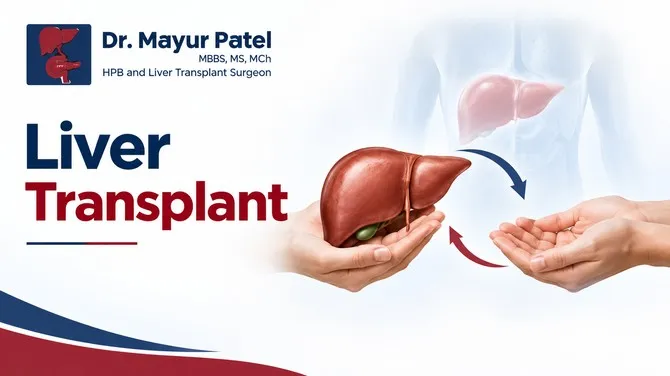
If you have gallstones, ongoing digestive discomfort, or concerns about gallbladder cancer surgery in Ahmedabad, Dr. Mayur Patel offers thorough evaluation and experienced surgical care to help you get clear answers.

























Sign in to leave a comment.