Is Ghee, Oil, or Butter Safe If You Have Fatty Liver?

"Doctor, do I have to stop eating ghee completely?" It's probably the question patients ask most after a scan shows fatty liver. In many Gujarati homes, ghee on rotli isn't just food, it's love. So the idea of giving it up can feel almost heartbreaking.
Quick answer: You usually don't need to cut fats out completely. Small amounts of ghee, butter, or oil can fit into a fatty liver diet, but the type and quantity matter a lot. If you're looking for practical fatty liver treatment in Ahmedabad, this is exactly the kind of everyday confusion Dr. Ruchir Patel and Dr. Abhinav Jain help patients sort out at Gastro1 Hospital.
What Causes Fatty Liver in the First Place?
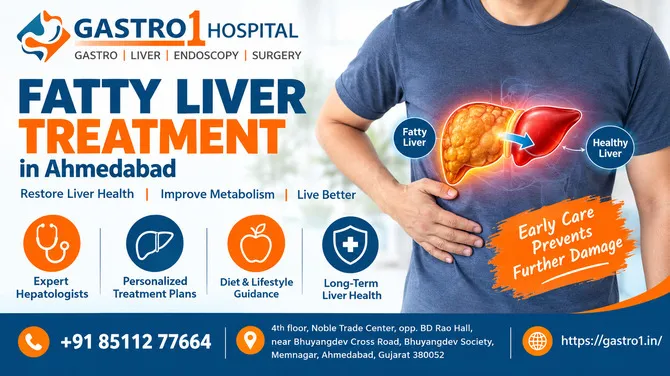
Fatty liver means extra fat has built up inside liver cells. It is now often called MASLD, a term linked to metabolic health. Fat alone isn't always the villain. The bigger picture usually includes:
- Eating more calories than your body uses
- Too much sugar, sweets, and refined flour (maida)
- Low physical activity
- Obesity, especially fat around the belly
- Type 2 diabetes or insulin resistance
- High cholesterol and triglycerides
- Regular alcohol use in alcohol-related fatty liver
So, Which Fats Are Better and Which Need Care?
Think of fats in two groups, those to enjoy sensibly and those to limit.
Better choices (in moderation):
- Mustard, groundnut, or olive oil for cooking
- Nuts like almonds and walnuts
- Seeds like flax and chia
- Fish rich in omega-3, if you eat non-vegetarian food
Limit these:
- Large amounts of ghee and butter, since they are high in saturated fat
- Deep-fried snacks like farsan, samosa, and bhajiya
- Vanaspati and packaged foods with trans fats
- Reused frying oil
A teaspoon or two of ghee a day is often reasonable for many people. A big spoonful on every meal usually isn't.
What Symptoms Should You Watch For?
Fatty liver is often silent, which is why many people find out by chance. When symptoms appear, they may include:
- Constant tiredness
- Mild discomfort in the upper right abdomen
- Bloating or a feeling of fullness
- Unexplained weight gain
- Dark patches of skin around the neck or underarms
Yellow eyes, swollen legs, or vomiting blood are not routine and need urgent medical care.
Who Is at Higher Risk?
- People with diabetes or prediabetes
- Those who are overweight or have a large waistline
- Adults with high cholesterol or high blood pressure
- People who sit for long hours with little exercise
- Anyone with a family history of liver or metabolic problems
How Can You Recover and Protect Your Liver?
Good news first: in early stages, fatty liver can often improve with steady lifestyle changes.
- Aim for gradual weight loss, around 5 to 10 percent of body weight, as advised by your doctor
- Walk briskly for at least 30 minutes most days
- Measure oil instead of pouring it freely
- Choose baking, steaming, grilling, or shallow cooking over deep frying
- Cut down on sweets, sugary drinks, and fruit juices
- Stop alcohol if your doctor advises it
- Get regular follow-up checks, including liver tests and scans
How Can You Prevent Fatty Liver From Getting Worse?
- Keep portion sizes in check, even for healthy foods
- Fill half your plate with vegetables
- Prefer whole grains over refined flour
- Don't skip meals and then overeat at night
- Keep blood sugar and cholesterol under control
- Avoid crash diets, which can stress the liver
When Should You See a Specialist?
If your report shows fatty liver, or you have risk factors like diabetes, it's wise to get a proper assessment instead of relying only on internet diet charts. A doctor can check how much fat there is and whether any scarring (fibrosis) has started.
So, is ghee, oil, or butter safe with fatty liver? In small, measured amounts, usually yes. Overdoing them, along with sugar and inactivity, is what harms the liver. You don't have to give up the foods you love, only learn how to balance them. For personalized fatty liver treatment in Ahmedabad, Dr. Ruchir Patel and Dr. Abhinav Jain at Gastro1 Hospital can build a plan that suits your lifestyle and your kitchen.
Frequently Asked Questions
Is it necessary to completely stop eating ghee if I have fatty liver?
No, you typically do not need to eliminate ghee entirely from your diet. In moderate amounts, ghee can be included in a fatty liver diet, but it's essential to pay attention to the type and quantity consumed.
What causes fatty liver disease?
Fatty liver disease is often linked to multiple factors, including an excess intake of calories, high sugar consumption, obesity, low physical activity, and conditions like diabetes and high cholesterol. It's not just fat itself but a combination of lifestyle factors that contributes to the condition.
What types of fats are considered healthier for fatty liver?
Healthier fats include those from sources like mustard, groundnut, or olive oil, as well as nuts like almonds and walnuts, and fish rich in omega-3. These should still be consumed in moderation, while saturated fats from ghee and butter should be limited.
What symptoms should I look out for with fatty liver?
Fatty liver often has no symptoms initially, but when they do appear, they may include constant fatigue, discomfort in the upper abdomen, bloating, and unexplained weight gain. Severe symptoms like yellowing of the eyes or vomiting blood require immediate medical attention.
How can I improve my fatty liver condition?
Improvement often comes from lifestyle changes such as gradual weight loss, regular physical activity, healthy cooking methods, and reducing sugar intake. It's crucial to follow your doctor's advice and get regular check-ups to monitor your liver health.
When should I see a specialist for fatty liver?
You should consult a specialist if you have a diagnosis of fatty liver or risk factors like diabetes. A doctor can provide a thorough assessment and develop a personalized management plan based on your specific situation.
Can I still enjoy my favorite foods if I have fatty liver?
Yes, you can still enjoy your favorite foods, but it's important to learn how to balance them. Moderation is key, and finding healthier alternatives or adjusting portion sizes can help you maintain a satisfying diet while managing fatty liver.


Sign in to leave a comment.