

Muscle spasms happen to almost everyone once in a while — a cramp in your calf at night, a twitch in your eyelid during a stressful week. But when spasms start showing up every single day, that's your body trying to tell you something. Many patients searching for functional neurosurgery in Ahmedabad come in after weeks of ignoring daily spasms, only to learn they were linked to an underlying nerve or movement disorder.
So how do you know when a spasm is "normal" and when it's a sign to get checked?
What Causes Daily Muscle Spasms?
Spasms occur when a muscle contracts involuntarily, often without warning. Common causes include:
- Dehydration or low electrolyte levels (magnesium, potassium, calcium)
- Muscle fatigue from overuse or poor posture
- Nerve compression, especially in the spine
- Movement disorders such as dystonia or spasticity
- Side effects of certain medications
Occasional spasms usually fade with rest, stretching, or better hydration. Daily spasms, though, often point to something happening at the nerve or brain level rather than just the muscle itself.
Symptoms That Shouldn't Be Ignored
Pay closer attention if your spasms come with:
- Spasms that occur in the same muscle group repeatedly
- Weakness or stiffness alongside the twitching
- Spasms that disrupt sleep or daily tasks
- Gradual worsening over weeks or months
- Involuntary posturing of a limb or the neck
These patterns suggest the nervous system may be involved, not just muscle strain.
Who Is More at Risk?
Certain factors make persistent spasms more likely:
- A history of spinal injury or nerve compression
- Family history of movement disorders
- Long hours at a desk with poor posture
- Chronic conditions like diabetes, which can affect nerve health
- Age-related changes in muscle and nerve function
Living With Daily Spasms: Practical Tips
While you work toward a diagnosis, a few habits can offer some relief:
- Stay consistently hydrated through the day
- Gentle stretching, especially before bed
- Warm compresses on affected muscles
- Avoid excessive caffeine, which can worsen twitching
- Keep a simple diary noting when spasms happen — this helps a specialist spot patterns faster
Prevention: What Helps Long-Term
- Regular, moderate exercise to keep muscles conditioned
- Correcting posture at work, especially if you sit for long hours
- Routine health checkups if you have diabetes or a nerve-related condition
- Not ignoring early stiffness or cramping — early attention prevents escalation
When Should You See a Specialist?
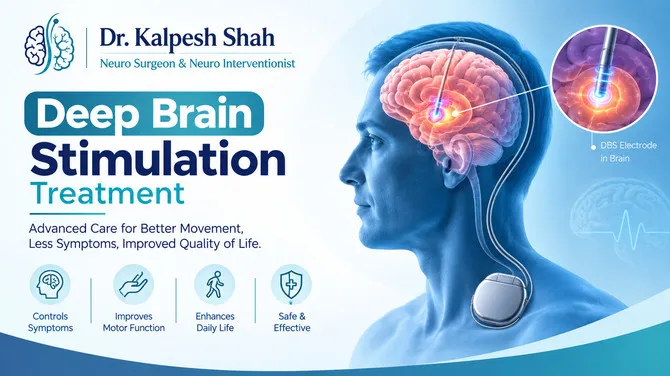
If spasms are happening daily, worsening, or affecting your quality of life, it's worth getting evaluated rather than waiting it out. A neurological assessment can determine whether the cause lies in the muscle, the nerve pathway, or the brain's movement-control centers. This is where functional neurosurgery in Ahmedabad becomes relevant — it focuses specifically on disorders where nerve signaling to muscles has gone off track, and where targeted treatment can genuinely improve day-to-day comfort.
A Reassuring Note
Daily spasms can feel unsettling, especially when they interrupt sleep or simple tasks like walking. But most causes, once identified, are manageable with the right approach — whether that's lifestyle changes, medication, or in select cases, surgical intervention. Dr. Kalpesh Shah works with patients across Ahmedabad to understand exactly what's driving persistent spasms and to map out a treatment path that fits the individual, not a one-size-fits-all protocol.
If your spasms have become a daily occurrence, don't wait for them to "go away on their own." A timely consultation can bring clarity — and often, real relief.


























Sign in to leave a comment.