

Open-cell spray foam is an effective choice for interior wall soundproofing because its soft, flexible structure absorbs airborne sound waves. While closed cell options are better for moisture barriers, the sponge-like nature of open cell spray foam soundproofing makes it a preferred material for dampening household noise. Homeowners can expect a significant decrease in sound transfer from televisions, conversations, and appliances when using this specific material.
This article provides a detailed look at how this insulation performs compared to other materials and what property owners should consider. Experienced contractors use their years in the field to explain why certain materials work better for specific noise frequencies. Understanding these technical details helps people make a smart choice for a renovation or new construction project.
How Open Cell Foam Absorbs Interior Noise
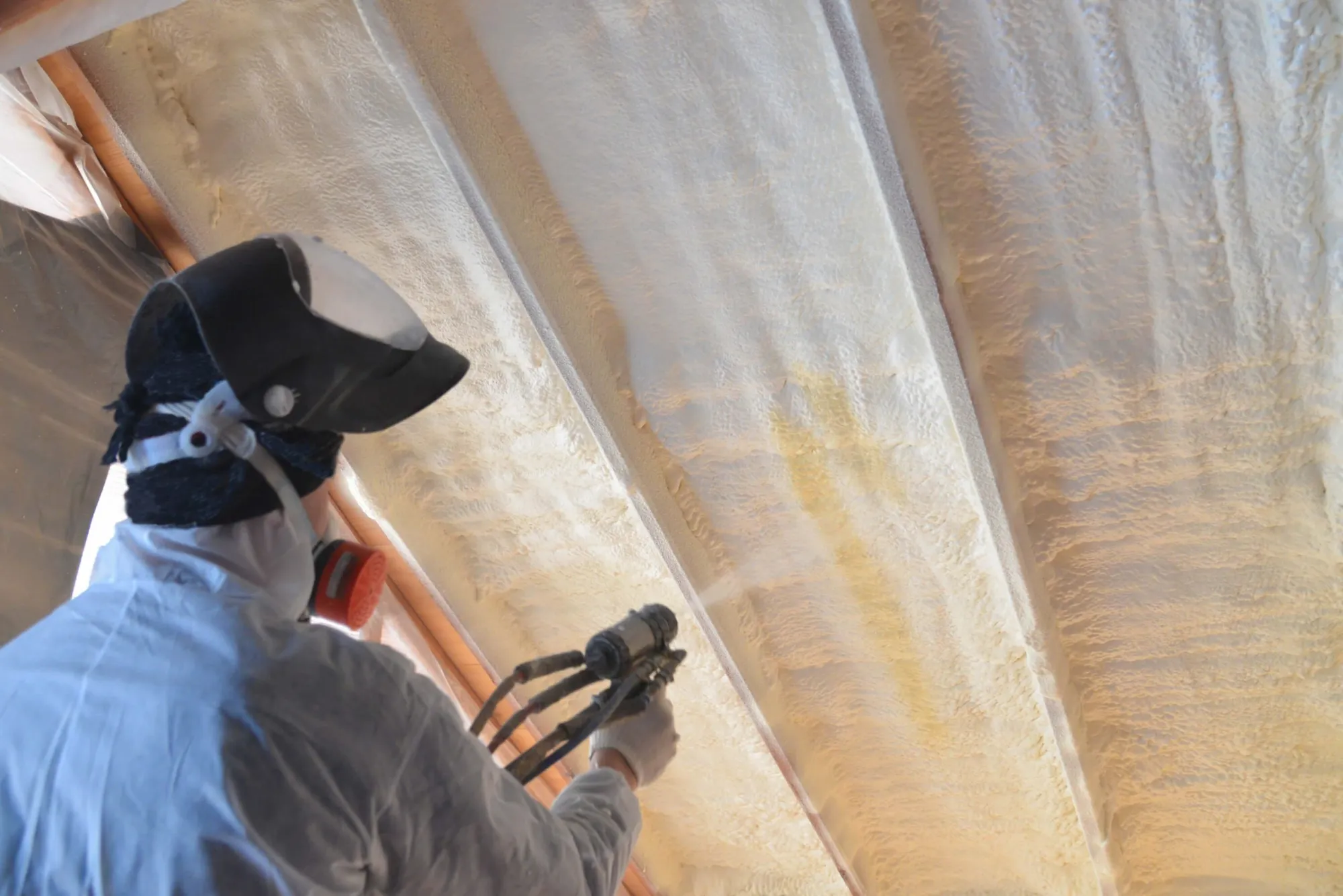
The physics of sound requires a material that can trap vibrations before they pass through a wall assembly. Open cell spray foam insulation features a cellular structure that remains open, creating a series of tiny interconnected chambers. When sound waves hit these chambers, the foam vibrates slightly and converts the sound energy into small amounts of heat. This process prevents the noise from echoing or passing through to the next room.
Unlike fiberglass batts that can sag over time, this foam expands to fill every crack and crevice within a wall cavity. This expansion creates an airtight seal that blocks the paths where sound usually travels. Most indoor noise travels through air gaps around outlets, baseboards, and light switches. Using open-cell spray foam soundproofing ensures these gaps are completely sealed.

Comparing Different Insulation Options for Sound Control
When evaluating different materials, builders look at both the Sound Transmission Class (STC) and the Noise Reduction Coefficient (NRC). STC measures how well a wall blocks sound, while NRC measures how much sound the material absorbs. Open cell foam typically offers a higher NRC than closed cell foam, making it better for quiet environments.
| Insulation Type | Sound Absorption Quality | Air Sealing Ability | Installation Speed |
|---|---|---|---|
| Open Cell Spray Foam | Excellent | High | Fast |
| Closed Cell Spray Foam | Moderate | High | Fast |
| Fiberglass Batts | Moderate | Low | Moderate |
| Mineral Wool | Good | Low | Moderate |
| Cellulose | Good | Moderate | Slow |
Recent market data shows that the demand for high-quality acoustic materials is growing. Studies indicate that nearly 30 percent of modern homeowners now prioritize noise reduction when designing home offices or media rooms. This shift has made spray foam sound insulation a standard choice for high-end residential builds.
The Science of Sound Waves and Foam Structures
Sound travels in waves that bounce off hard surfaces or pass through thin barriers. Hard materials like wood studs and drywall often act as bridges, allowing sound to vibrate from one side of the wall to the other. Sound-absorbing spray foam breaks this bridge by adding a soft layer that interrupts the vibration path.
Bonus Tip: To achieve the best results, installers should apply the foam at a consistent depth throughout the entire wall cavity. Even a small uninsulated gap can allow a significant amount of noise to leak through the wall.
Another benefit of this material is its density. Because open-cell foam is lighter and less dense than closed-cell versions, it does not become a rigid sound conductor. It stays flexible enough to remain in place even as a building shifts or settles over time. This long-term stability makes acoustic spray foam insulation a reliable part of a building’s infrastructure.
Why Air Sealing is the Secret to Quiet Rooms
Many people focus only on wall thickness, but air leaks are often the biggest cause of noise complaints. Sound moves like water; if there is a hole, it will find its way through. Wall soundproofing insulation that expands into a liquid state before hardening is a reliable way to guarantee a total seal around wires and pipes.
Using this method provides superior indoor noise reduction compared to traditional methods. When professional teams apply the foam, it expands up to 100 times its original volume. This ensures that even the smallest gaps are blocked, which manual cutting and fitting of batts cannot achieve.
Key Elements to Review Before Your Project Starts
Before moving forward with a soundproofing project, it is necessary to look at the specific types of noise that need to be stopped. There are two main types of noise: airborne and structural. While foam is excellent for airborne noise like talking, it may need to be paired with other materials to stop structural vibrations like footsteps on a floor above.
- Check the depth of wall studs to ensure there is enough room for full expansion.
- Identify all electrical and plumbing penetrations that need to be sealed.
- Consider the humidity levels in the area, as this can affect how the foam cures.
- Review the material's fire ratings to ensure it meets local building codes.
Bonus Tip: A professional should always inspect walls for existing moisture issues before any foam application. Spray foam is a permanent solution, so the underlying structure should be in good condition before it is sealed.
Regional Considerations for Interior Wall Projects
Climate plays a role in how insulation behaves, even inside a home. In humid regions like the Southeast, moisture management is just as important as sound control. While open cell foam is breathable, it still provides an effective barrier against the humid air that can sometimes get trapped inside interior walls. This protection helps maintain the integrity of the acoustic barrier over time.
In colder climates, the air-sealing properties of open cell spray foam soundproofing help maintain consistent temperatures between rooms. This means an HVAC system does not have to work as hard to keep a bedroom warm if the adjacent hallway is cooler. This dual benefit of thermal control and sound dampening adds value to a property.

How Do You Determine the Best Insulation for Your Needs?
Selecting the right product depends on the budget and specific noise goals. If a homeowner is building a dedicated home theater, they might combine open-cell foam with specialized drywall. For a standard bedroom or home office, the foam alone is usually enough to create a peaceful environment.
Professional installers can provide a density test to show how well the foam will perform in a specific wall configuration. Because every home is built differently, a customized approach is better than a one-size-fits-all solution. They can help calculate the exact amount of material needed to achieve a desired STC rating.
Simple Steps for a Successful Soundproofing Project
Planning is a vital part of the process. The work should be done during a phase of construction where the wall cavities are fully exposed. Retrofitting existing walls is possible but often requires removing the drywall first to get a complete seal.
- Consult with a specialist to determine the best foam density for the walls.
- Clear the area of any debris or dust that could prevent the foam from sticking.
- Ensure all wiring and plumbing are inspected and signed off by local officials.
- Maintain a controlled temperature in the building during the application process.
Bonus Tip: Property owners can ask their installer for a sample of the foam after it cures. This allows them to feel the texture and understand how the material will behave inside the walls for the next several decades.
Modern Trends in Residential Sound Control
The rise of remote work has changed how people view their homes. Privacy is no longer a luxury; it is a necessity for productivity. Recent surveys show that homes with documented soundproofing features often sell faster and for higher prices than those without them.
Investing in open-cell spray foam soundproofing is a way to future-proof a property. As neighborhoods get denser and household sizes change, the ability to maintain a quiet interior space becomes increasingly valuable. It is a one-time upgrade that provides benefits every single day.
Final Thoughts on Soundproofing Choices
Choosing the right material for interior walls involves balancing performance and cost. Open cell foam offers a unique combination of air sealing and sound absorption that most other materials cannot match. It addresses the core issues of noise transfer by filling gaps and dampening vibrations simultaneously. Property owners should evaluate their specific noise concerns and consult with a professional to see if this material fits their project goals. Taking the time to plan an insulation strategy now will result in a much more comfortable and quiet living environment for years to come.
Contact Local Experts for a Detailed Project Estimate
If you are ready to improve the quietness of your home, contacting a professional team is the best next step. You can reach out to Raleigh Excel Spray Foam Insulation at (919) 301-9435 or via email at [email protected] to discuss your specific needs. They offer a range of services including Attic Insulation, Wall Insulation, and Residential Spray Foam Insulation. Whether you need a free quote for a small room or a full commercial project, their experts are available to help you choose the right solution. You can also visit their location or check their service area on this map to see how they can assist with your next renovation.
Common Questions About Interior Soundproofing
Is open cell foam better than closed cell foam for noise?
Yes, open cell foam is generally better for absorbing airborne noises like voices or music because it is softer and more porous. Closed cell foam is much denser and more rigid, which can sometimes allow sound vibrations to travel through it more easily.
Does spray foam stop all noise from coming through a wall?
No insulation can stop 100 percent of all noise, especially low-frequency sounds like heavy bass or mechanical vibrations. However, it significantly reduces most household noise and makes a noticeable difference in room-to-room privacy.
Can I install spray foam soundproofing in existing walls?
It is most effective when installed in open wall cavities. For existing walls, the drywall usually needs to be removed, or small holes must be drilled for injection foam, though the latter is a different process than standard spray application.
How long does the soundproofing effect of the foam last?
The soundproofing benefits last as long as the foam stays intact, which is typically the lifetime of the building. Unlike some materials that settle or degrade, spray foam maintains its shape and seal indefinitely.
Is the material safe for use inside bedroom walls?
Once the foam has fully cured, it is inert and does not release harmful gases. Professional installers ensure proper ventilation during the application to make sure the space is safe for residents shortly after the project is finished.





















Sign in to leave a comment.