
Is Raw Garlic Good for You? Benefits, Risks and How to Eat It
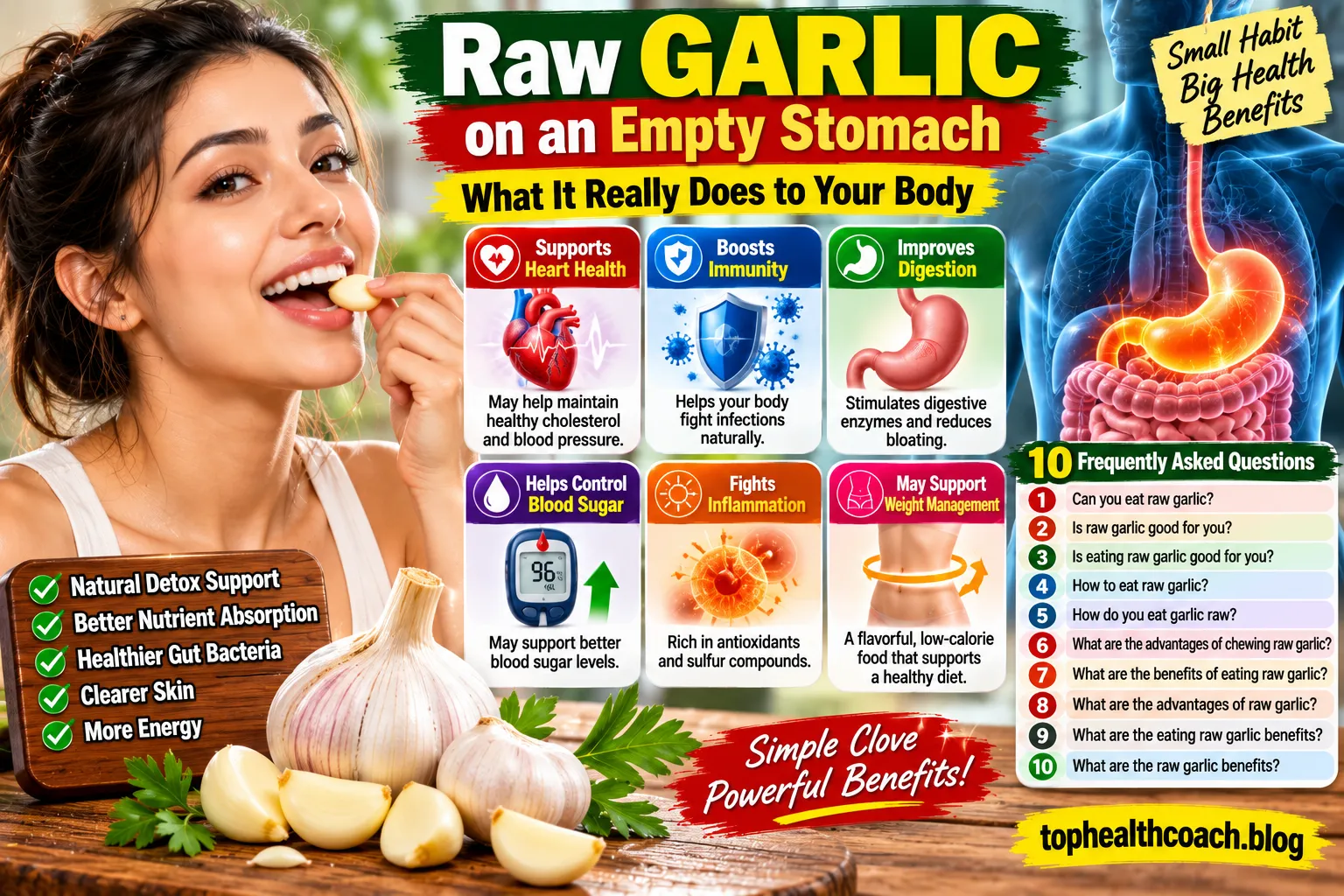
Is eating raw garlic good for you? This is a common question among people interested in natural health, healthy eating, and traditional home remedies. Garlic has been used in cooking and traditional wellness practices for centuries, and modern research continues to investigate its sulfur-containing compounds and possible effects on cardiovascular and metabolic health.
Raw garlic is especially popular because crushing or chewing garlic helps produce compounds such as allicin. However, that does not mean raw garlic is a miracle food or that eating it on an empty stomach is necessary for good health.
The current evidence suggests that garlic can be part of a healthy diet, while the size of its health effects depends on the amount, preparation, and individual health factors.

Is Eating Raw Garlic Good for You?
For most healthy adults, eating raw garlic in normal food amounts can be perfectly reasonable. Garlic provides sulfur-containing compounds and can add significant flavor to meals without requiring much added fat, sugar, or salt.
Research on garlic has found potential effects on several health markers, including cholesterol, blood pressure, blood glucose, triglycerides, and some markers associated with oxidative stress and inflammation.
A 2026 systematic review and meta-analysis of 108 randomized controlled trials involving 7,137 participants found that garlic interventions were associated with improvements in several cardiovascular and metabolic markers. However, the researchers did not find significant effects on body weight or BMI.
Importantly, many clinical studies examine garlic supplements or specific garlic preparations rather than simply eating a fresh raw garlic clove. Therefore, you should not assume that every result from a supplement study applies directly to raw garlic.
What Happens When You Eat Raw Garlic?
When garlic is chopped, crushed, or chewed, an enzyme called alliinase helps form sulfur-containing compounds, including allicin.
These compounds contribute to garlic's distinctive smell and are one reason garlic has attracted scientific interest.
The amount of these compounds can vary depending on how garlic is prepared, stored, and cooked. Raw garlic generally has a different chemical profile from garlic that has been heated.
However, “raw” does not automatically mean “healthier.” Cooking can change garlic's compounds, but cooked garlic can still be part of a nutritious diet.
1. May Support Heart Health
One of the most studied potential Benefits of eating raw garlic is cardiovascular support.
Research suggests that garlic preparations may have modest effects on certain cardiovascular risk factors.
The 2026 meta-analysis found improvements in total cholesterol, LDL cholesterol, triglycerides, and blood pressure among people receiving garlic interventions.
The National Center for Complementary and Integrative Health (NCCIH) also reports that garlic supplements may modestly lower total and LDL cholesterol and may have a small effect on blood pressure.
These effects should be kept in perspective. Garlic is not a replacement for prescribed medication or a heart-healthy lifestyle.
2. May Help Maintain Healthy Cholesterol
High LDL cholesterol can increase cardiovascular risk, which is why researchers have studied garlic and cholesterol for many years.
Some clinical research suggests garlic preparations can produce modest reductions in total and LDL cholesterol.
NCCIH notes that the effect appears to be relatively small and may be more noticeable in people who already have elevated cholesterol.
If your doctor has prescribed cholesterol medication, don't stop taking it simply because you start eating garlic.
Instead, think of garlic as one ingredient within a broader healthy eating pattern.
3. May Support Healthy Blood Pressure
Another reason people are interested in Raw Garlic on an Empty Stomach is the belief that garlic can naturally lower blood pressure.
There is some evidence for a modest effect.
The 2026 meta-analysis reported reductions in systolic and diastolic blood pressure in garlic intervention studies.
However, NCCIH describes the evidence as limited and emphasizes that any effect is small compared with standard medical treatment.
People with hypertension should continue following their healthcare professional's treatment plan.
4. May Support Blood Sugar Control
Garlic has also been studied for its potential effects on blood glucose and insulin-related markers.
The 2026 meta-analysis found improvements in fasting glucose, insulin, and measures of insulin resistance among participants in garlic studies.
NCCIH also states that garlic supplements may modestly lower blood sugar in people with diabetes.
But eating raw garlic is not a substitute for diabetes medication, appropriate nutrition, exercise, or blood-glucose monitoring.
If you have diabetes, discuss significant dietary changes or garlic supplements with your healthcare professional.
5. Contains Antioxidant Compounds
Garlic contains several biologically active compounds that have antioxidant properties.
The 2026 systematic review found improvements in some measures related to antioxidant capacity and oxidative stress in garlic intervention studies.
Oxidative stress is a normal biological process, but excessive oxidative stress can contribute to cellular damage.
Still, claims that garlic “cleanses toxins from your body” are misleading. Your liver and kidneys already perform the body's primary detoxification functions.
6. May Influence Inflammatory Markers
Another potential advantage of garlic is its relationship with inflammation-related biomarkers.
The 2026 meta-analysis reported reductions in certain markers, including C-reactive protein and TNF-alpha.
However, a change in a laboratory marker does not mean that garlic can treat an inflammatory disease.
Garlic should therefore be viewed as part of a healthy dietary pattern rather than as a natural anti-inflammatory medicine.
7. Can Make Healthy Foods More Flavorful
Not every benefit of garlic needs to involve a medical effect.
Garlic is an easy way to add strong flavor to vegetables, salads, sauces, dressings, dips, soups, and other meals.
Because garlic has a powerful taste, a relatively small quantity can make healthy foods more enjoyable.
For someone trying to improve their diet, this can be useful because eating nutritious food consistently is often easier when meals are flavorful and satisfying.
Is Raw Garlic on an Empty Stomach Better?
The idea of Raw Garlic on an Empty Stomach has become popular online.
You may see claims that eating one garlic clove immediately after waking up can detox the body, burn belly fat, improve immunity, or cure multiple diseases.
There is not strong clinical evidence that eating garlic specifically on an empty stomach provides unique benefits compared with eating it with a meal.
If raw garlic causes heartburn, nausea, or stomach irritation, eating it with food may be more comfortable.
There is no requirement to force yourself to eat raw garlic first thing in the morning.
Does Raw Garlic Help With Weight Loss?
Garlic is sometimes promoted as a natural fat burner.
However, current evidence does not support the idea that raw garlic directly burns belly fat.
The 2026 meta-analysis found no significant effect of garlic interventions on body weight or BMI.
So, while the Benefits of eating raw garlic may include possible cardiovascular and metabolic effects, garlic should not be considered a weight-loss supplement.
For healthy weight management, focus on a balanced diet, adequate protein and fiber, regular physical activity, sufficient sleep, and an appropriate overall calorie intake.
How to Eat Raw Garlic Safely
If you want to include raw garlic in your diet, you don't have to swallow a whole clove.
Try:
- Crushing a small amount and adding it to salad dressing.
- Mixing minced garlic into yogurt or a dip.
- Adding chopped garlic to homemade chutney.
- Combining garlic with vegetables.
- Adding fresh garlic to meals according to your taste.
Start with a small amount if you are not accustomed to raw garlic.
Its strong flavor and compounds can cause digestive discomfort in some people.
Possible Side Effects of Raw Garlic
Raw garlic is safe for most people when eaten as food, but it can cause side effects.
Common problems include:
- Bad breath
- Garlic body odor
- Heartburn
- Gas
- Nausea
- Abdominal discomfort
- Digestive irritation
NCCIH notes that side effects can be more noticeable with raw garlic.
Garlic supplements can also increase bleeding risk and may interact with anticoagulants and other medicines.
People preparing for surgery should tell their healthcare provider about garlic supplements.
Also, never apply fresh raw garlic directly to your skin. NCCIH warns that it can cause severe skin irritation and chemical burns.
Raw Garlic vs. Garlic Supplements
Fresh garlic and garlic supplements are not necessarily equivalent.
Clinical research may use garlic powder, aged garlic extract, garlic oil, or other standardized preparations.
These products can have different concentrations and chemical compositions from a fresh garlic clove.
Therefore, consuming very large quantities of raw garlic does not necessarily reproduce the results seen in clinical trials.
More is not always better.
Final Verdict: Is Eating Raw Garlic Good for You?
So, is eating raw garlic good for you?
For most people, raw garlic can be a healthy part of a balanced diet. Research suggests possible modest benefits involving cholesterol, blood pressure, blood glucose, triglycerides, oxidative stress, and certain inflammatory markers.
However, there is no strong evidence that garlic must be eaten raw, on an empty stomach, or at a particular time of day to produce these effects.
The best approach is simple: enjoy garlic as a flavorful food while maintaining an overall healthy lifestyle.
Frequently Asked Questions
1. Is eating raw garlic good for you?
Yes. For most people, eating raw garlic in normal food amounts can be part of a healthy diet. It contains sulfur-containing compounds and may have modest cardiovascular and metabolic benefits.
2. What are the main Benefits of eating raw garlic?
Potential Benefits of eating raw garlic include modest support for cholesterol, blood pressure, blood glucose, triglycerides, and some oxidative-stress and inflammatory markers.
3. Is Raw Garlic on an Empty Stomach better?
There is no strong evidence that eating Raw Garlic on an Empty Stomach provides unique benefits compared with eating garlic with food.
4. Can you eat raw garlic every day?
Many people can include garlic regularly in their diet. However, daily raw garlic may cause heartburn, gas, nausea, or stomach discomfort in sensitive individuals.
5. Does raw garlic lower cholesterol?
Garlic preparations may modestly lower total and LDL cholesterol, particularly in people with elevated cholesterol.
6. Does raw garlic lower blood pressure?
Some research suggests garlic preparations can have a modest blood-pressure-lowering effect, but garlic should not replace prescribed treatment.
7. Does raw garlic burn belly fat?
No. There is no strong evidence that raw garlic directly burns belly fat, and a 2026 meta-analysis found no significant effect on body weight or BMI.
8. What is the best way to eat raw garlic?
You can crush or finely chop a small amount and add it to salads, dips, dressings, vegetables, or other foods. If it irritates your stomach, eating it with a meal may be easier.
9. What are the disadvantages of eating raw garlic?
Possible disadvantages include bad breath, body odor, heartburn, gas, nausea, and stomach discomfort. Garlic supplements may also increase bleeding risk.
10. Who should be careful with garlic?
People taking anticoagulants or certain medicines, people preparing for surgery, and those who experience significant reactions to garlic should consult a healthcare professional before using large amounts or supplements.
Health Disclaimer
This article is for educational purposes only and does not replace professional medical advice, diagnosis, or treatment. If you have a medical condition or take prescription medication, speak with your healthcare professional before making major dietary changes or using garlic supplements.






























Sign in to leave a comment.