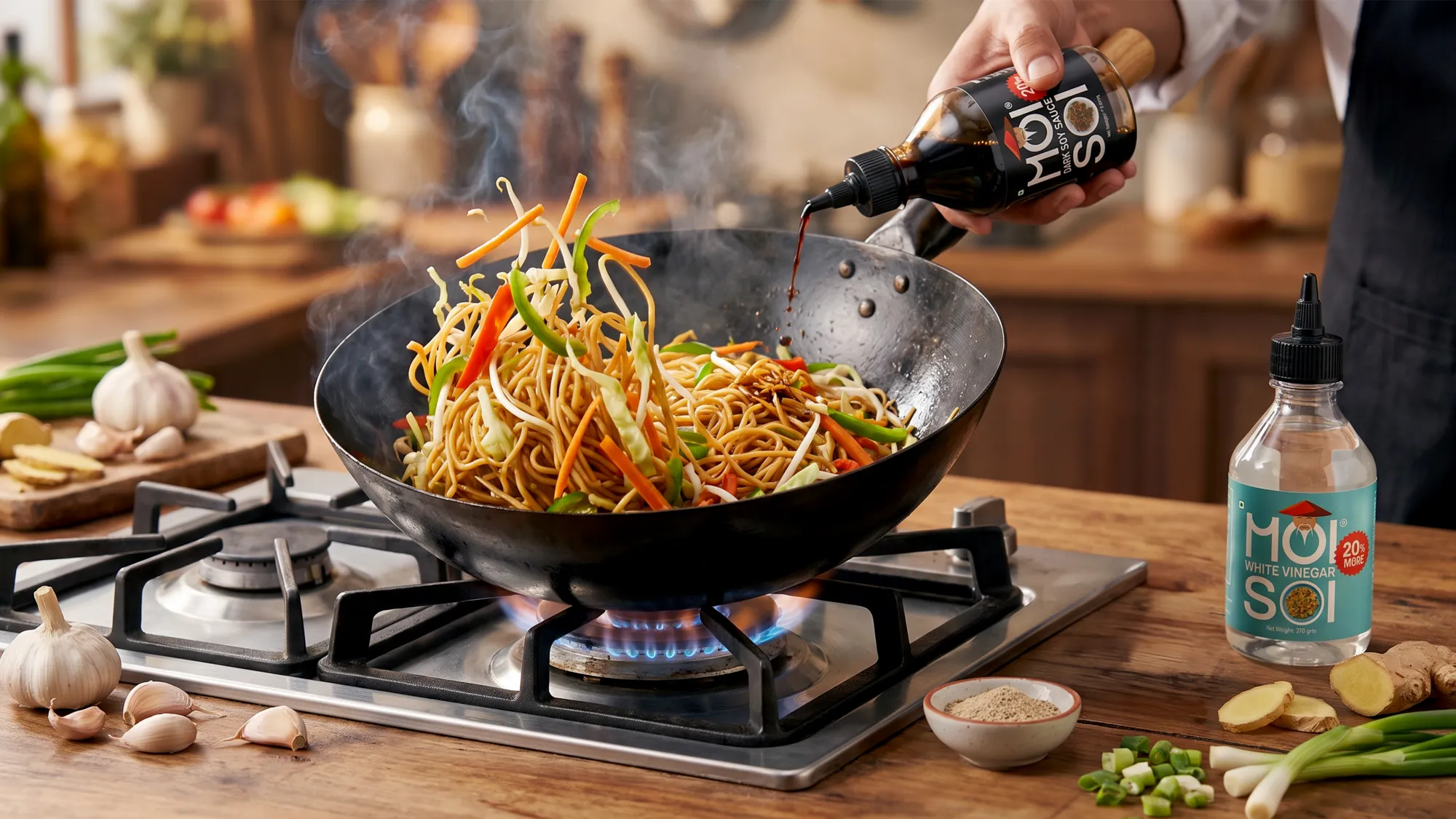

Thai curry is famous for its rich coconut milk, fragrant herbs, aromatic spices, and layers of sweet, salty, sour, and spicy flavours. But is Thai curry spicy? The answer depends largely on the type of curry you choose, the chillies used, the amount of curry paste, and how the dish is prepared.
Thai green curry, Thai red curry, yellow curry, Massaman curry, and other regional variations can have very different heat levels. Some are fiery and intense, while others are mild enough for people who prefer gentle spice.
If you are searching for a reliable thai curry recipe, understanding the heat level of each curry colour can help you choose the right dish and adjust it to your preference.
Is Thai Curry Spicy?
Yes, Thai curry can be spicy, but not every Thai curry is equally hot.
Thai curries traditionally get their heat from fresh or dried chillies incorporated into curry paste. However, chilli is only one part of the flavour profile. Ingredients such as lemongrass, galangal, garlic, shallots, kaffir lime, coriander, cumin, basil, and coconut milk also contribute to the final taste.
Coconut milk is particularly important because its creamy richness can soften the perception of chilli heat. Other ingredients, including sugar, lime juice, vegetables, and protein, can also influence how spicy the finished curry tastes.
This means that two bowls of the same curry can taste noticeably different depending on the recipe and preparation method.
For a quick homemade-style meal, you can also use a ready-to-eat option such as Moi Soi Instant Thai Green Curry or Moi Soi Thai Red Curry and customise the heat with vegetables, coconut milk, chilli oil, or fresh herbs.
Thai Curry Heat Levels by Colour
Colour provides a useful starting point when choosing a Thai curry, but it is not an absolute measure of spiciness. The ingredients and preparation method matter just as much.
Here is a general guide to how the major Thai curry colours compare.
1. Green Curry: Usually Hot and Fresh
Thai green curry is often considered one of the spicier classic Thai curries.
Its green colour comes largely from fresh green chillies and aromatic herbs. A traditional curry paste may include green chilli along with ingredients such as shallot, garlic, lemongrass, galangal, kaffir lime, and spices.
The result is a curry with a bright, herbal aroma and noticeable chilli heat.
The creamy sweetness of coconut milk balances the spice, creating a flavour that can taste both rich and refreshing. Green curry is particularly good with vegetables, tofu, chicken, prawns, and other proteins.
If you want a thai curry recipe with a fresh aromatic character and moderate-to-high heat, green curry is an excellent choice.
How to Make Green Curry Less Spicy
You can easily adjust green curry if the heat is too strong.
Try:
- Adding more coconut milk
- Increasing the quantity of vegetables
- Serving it with steamed rice
- Pairing it with rice noodles
- Adding tofu or another mild protein
- Using less curry paste
- Adding a small amount of sweetness to balance the heat
A squeeze of lime can also brighten the flavours without simply adding more chilli.
For a quick version, Moi Soi Instant Thai Green Curry is designed to be ready in about five minutes. The product combines Thai green curry paste with coconut milk powder and aromatic ingredients, giving you a convenient base that can be paired with vegetables or protein.
Shop Moi Soi Instant Thai Green Curry
2. Red Curry: Medium to Hot with Deeper Chilli Flavour
Thai red curry is another popular choice for spice lovers.
Unlike green curry, which gets much of its character from fresh green chillies and herbs, red curry typically uses dried and fresh red chillies alongside aromatics such as lemongrass, galangal, garlic, coriander, and cumin.
This gives red curry a deeper, warmer, and more rounded chilli character.
Thai red curry can range from moderately spicy to quite hot depending on the amount and type of chilli used. Coconut milk helps balance the heat, creating the rich consistency associated with this curry.
Red curry works particularly well with tofu, chicken, prawns, fish, mushrooms, broccoli, zucchini, peppers, and other vegetables.
For a convenient meal, Moi Soi Instant Thai Red Curry can be simmered with vegetables or protein and served with rice or noodles.
Is Red Curry Spicier Than Green Curry?
Not necessarily.
Green curry is often hotter because fresh green chillies can provide significant heat, but the actual spice level depends on the recipe.
A red curry made with a generous amount of dried red chilli can be hotter than a mild green curry. Likewise, a carefully balanced green curry can be less spicy than an intensely prepared red curry.
The best approach is to think of green and red curry as having different chilli profiles rather than fixed heat rankings.
3. Yellow Curry: Generally Milder and More Aromatic
Thai yellow curry is often a better choice for people who prefer milder spice.
Its golden colour comes from ingredients such as turmeric, while the curry paste may include spices such as cumin and coriander. Depending on the recipe, yellow curry can contain fewer hot chillies than green or red curry.
The result is usually warm, fragrant, earthy, and gently spicy rather than aggressively hot.
Yellow curry is especially versatile with potatoes, onions, carrots, chicken, tofu, and other hearty ingredients.
If you are introducing someone to Thai food for the first time, yellow curry can be a comfortable starting point.
4. Massaman Curry: Rich, Mild, and Gently Spiced
Massaman curry is generally among the milder Thai curry styles.
It has a distinctive flavour influenced by South Asian and Middle Eastern culinary traditions. The curry often features spices such as cinnamon, cardamom, cloves, cumin, and coriander alongside chilli and coconut milk.
Rather than focusing primarily on chilli heat, Massaman curry delivers warmth, sweetness, nuttiness, and aromatic spice.
Potatoes, onions, peanuts, and beef or chicken are common pairings.
If you want a Thai curry that prioritises richness and aromatic complexity over chilli intensity, Massaman is a strong option.
5. Panang Curry: Creamy with Moderate Heat
Panang curry is typically thick, rich, and creamy, with a concentrated curry flavour.
It often has a sweeter and less aggressively spicy profile than a particularly hot green curry. Peanuts or peanut-like richness can also contribute to its characteristic flavour.
The creamy texture makes Panang curry a popular choice for people who enjoy chilli but do not necessarily want an extremely hot meal.
Its flavour pairs well with chicken, beef, tofu, and vegetables.
Why Does Thai Curry Taste Spicy?
Several factors determine the perceived heat of Thai curry.
Type of Chilli
Fresh green chillies, dried red chillies, and other chilli varieties can have different levels of heat.
Quantity of Chilli
More chilli generally means more heat, although the final result also depends on the other ingredients in the curry.
Curry Paste
The amount of curry paste used has a major impact. A concentrated paste can make a curry significantly hotter and more aromatic.
Coconut Milk
Coconut milk contributes creaminess and richness, which can soften the perception of chilli heat.
Sugar
A little sweetness can help balance chilli intensity and create the characteristic sweet-spicy profile found in many Thai dishes.
Acidity
Lime juice or other acidic ingredients can brighten the dish and balance richness. They do not necessarily remove chilli heat, but they can make the overall flavour feel more balanced.
Serving Ingredients
Rice, noodles, vegetables, and protein dilute the concentration of chilli in each bite.
Thai Curry Spice Level Can Vary by Recipe
It is important not to treat curry colour as a strict heat scale.
A common assumption is:
Green = hottest, red = medium, yellow = mild.
This can be useful as a broad introduction, but it is not a rule.
A curry's heat depends on the chilli variety, quantity of chilli, curry paste, preparation technique, coconut milk, and accompanying ingredients.
Even restaurants serving the same curry style may produce noticeably different levels of heat.
If you are preparing a thai curry recipe at home, you have much more control over the final spice level.
How to Make a Thai Curry Less Spicy
Made a curry that's hotter than expected? You can bring the intensity down without throwing away the dish.
Add Coconut Milk
Coconut milk is one of the easiest ways to soften an overly spicy curry while maintaining its creamy character.
Add it gradually and simmer until the flavours come together.
Add More Vegetables
Vegetables increase the volume of the dish while distributing the curry sauce across more ingredients.
Broccoli, mushrooms, zucchini, carrots, bell peppers, baby corn, and leafy greens can all work well.
Add Protein
Tofu, chicken, prawns, fish, or other suitable proteins can help spread the curry sauce across a larger serving.
Serve with Rice or Noodles
Rice and noodles provide a neutral base that balances a strongly spiced curry.
For noodle pairings, explore Moi Soi Rice Noodles or Moi Soi Udon Flat Noodles.
Add a Little Sweetness
A small amount of sugar can balance intense chilli heat. Add it gradually because too much sweetness can overpower the aromatic curry.
Use Acid Carefully
A little lime juice can create balance and make the curry taste brighter. Add it toward the end rather than cooking large amounts into the curry.
How to Make Thai Curry Spicier
If you prefer serious heat, increasing the chilli level is only one option.
You can also finish your curry with chilli oil or fresh chillies.
Moi Soi Sichuan Chilli Oil can add fiery, aromatic heat to noodles, rice dishes, dumplings, and other Asian-inspired meals. A small drizzle over a finished curry can create a stronger chilli-forward experience.
You can also serve sliced fresh chilli separately so everyone can adjust their own portion.
This is particularly useful when cooking for people with different spice preferences.
A Simple Thai Curry Recipe Formula
Want to make an easy Thai curry at home? You do not need a complicated ingredient list.
A simple formula is:
Curry paste + coconut milk + vegetables + protein + seasoning + fresh garnish
Start by sautéing your vegetables and protein. Add curry paste and cook briefly so the aromatics become fragrant. Pour in coconut milk or your prepared curry base and simmer until the ingredients are cooked and the sauce reaches your preferred consistency.
Taste and adjust the balance of salt, sweetness, acidity, and spice.
Finish with fresh herbs, chilli, or lime.
For a faster approach, Moi Soi's ready-to-eat Thai curry range lets you build a complete meal without preparing curry paste from scratch. You can explore more convenient options through the Moi Soi Instant Meals collection.
What to Serve with Thai Curry
The right side dish can make a spicy curry feel more balanced.
Steamed Rice
Steamed rice is one of the simplest pairings. Its mild flavour lets the curry remain the centre of the meal.
Jasmine Rice
Fragrant jasmine rice complements the aromatic ingredients commonly found in Thai curry.
Rice Noodles
Rice noodles create a lighter alternative to rice and work especially well when you want to turn curry into a noodle bowl.
Udon Noodles
Udon provides a soft, chewy texture and can make a creamy curry more substantial.
Fresh Vegetables
Cucumber, herbs, greens, and lightly cooked vegetables can add freshness and contrast.
Lime and Fresh Herbs
Fresh lime, Thai basil, coriander, or other herbs can brighten a rich curry.
How to Choose a Thai Curry Based on Spice Preference
If you prefer high heat, start with green curry or a red curry prepared with plenty of chilli.
If you prefer moderate heat, red curry or Panang curry can offer a good balance between creaminess and spice.
If you prefer mild spice, yellow curry and Massaman curry are often more approachable.
However, always check how the curry is prepared. Restaurant recipes, packaged curry bases, and homemade versions can differ considerably.
How to Adjust a Thai Curry Recipe for Different Spice Levels
One of the biggest advantages of preparing Thai curry at home is control.
For a mild curry, reduce the amount of chilli paste and increase coconut milk, vegetables, or other ingredients that soften the overall intensity.
For a medium curry, use the standard quantity of curry paste and balance it with coconut milk, seasoning, and a little acidity.
For a hot curry, increase chilli gradually rather than adding a large amount at once. Fresh chillies, dried chilli flakes, or chilli oil can all increase heat.
The goal is not simply to make the curry hotter. A great thai curry recipe should still have balance between spice, sweetness, saltiness, acidity, aroma, and richness.




























Sign in to leave a comment.