
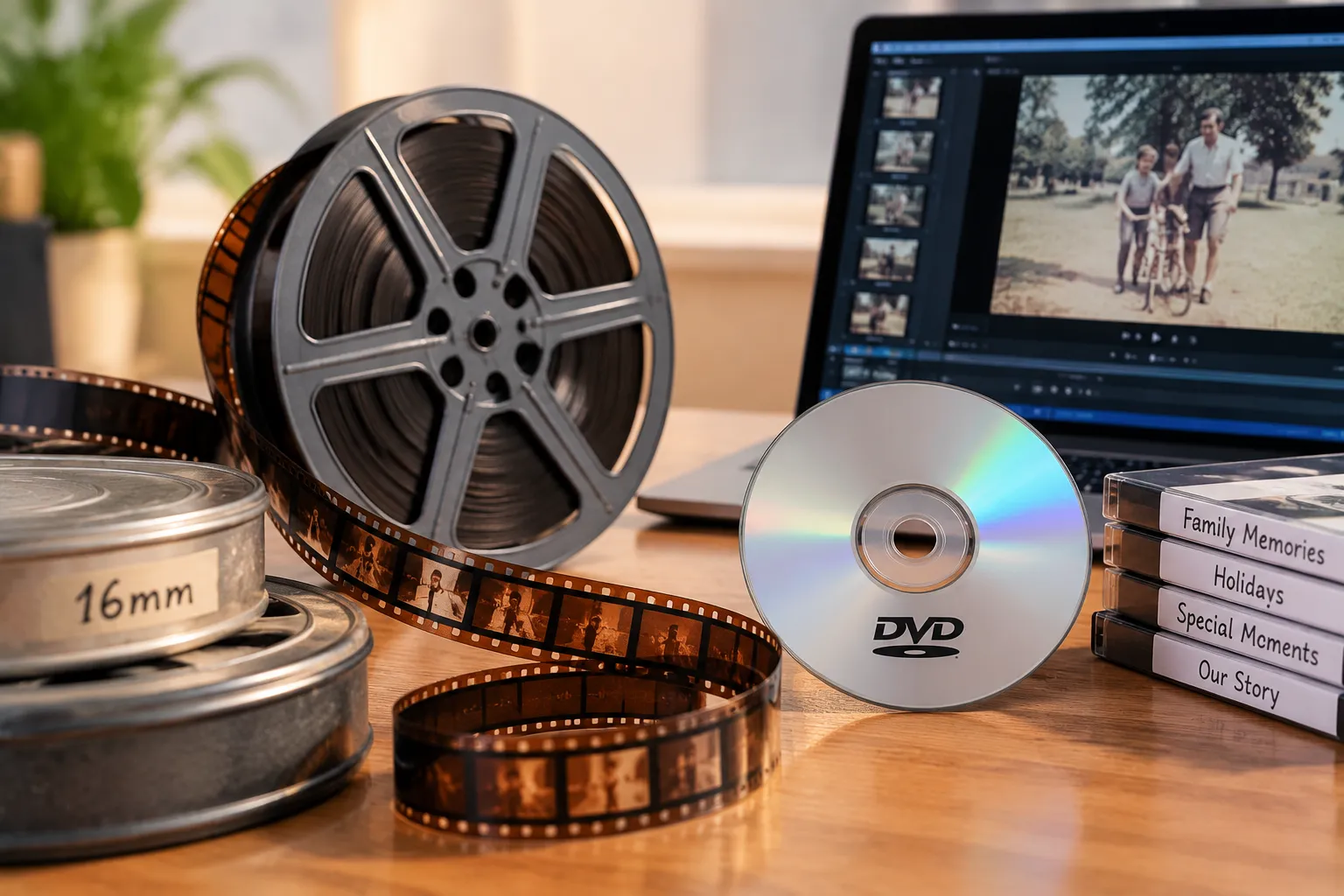
There is nothing quite like the thrill of finding vintage metal film canisters tucked away in an old family estate. It feels like unearthing a literal time capsule. However, when families bring these delicate discoveries to our studio at Lifetime Heritage Films Inc, the conversation often shifts from excitement to logistics.
Compared to the relatively cheap and quick process of digitizing a standard home video tape, deciding to formally Transfer 16mm Film requires a bit more planning and budget. Naturally, this leads to the most common question we hear: is this specialized preservation process actually worth the financial investment?
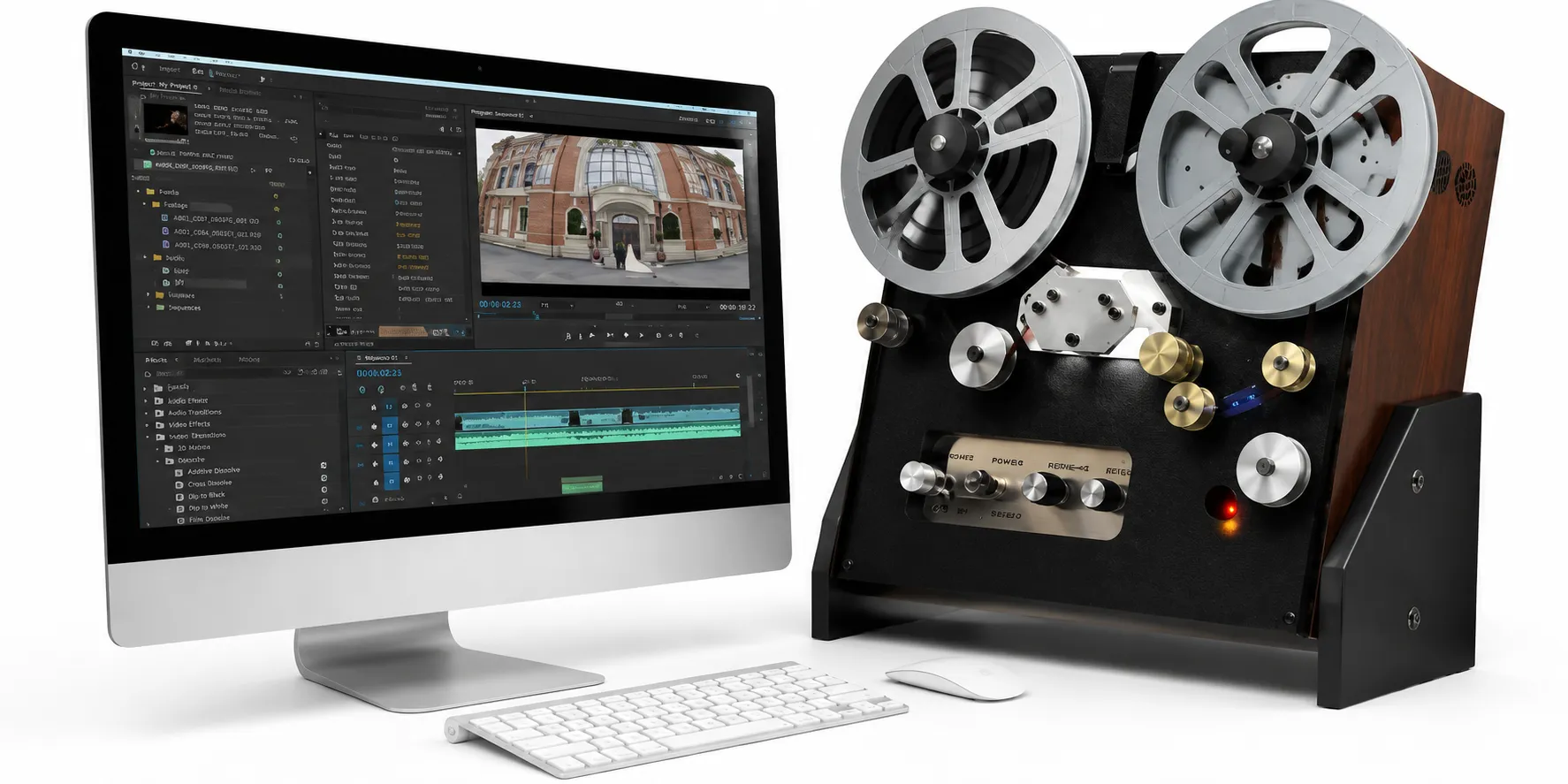
To answer that, you have to look beyond the physical plastic reel and understand what happens when you combine mid-century optics with modern digital preservation. Unlike consumer video tapes, 16 millimeter was a professional-grade medium. It requires specialized machinery, strict climate control, and expert handling to digitize safely.
Why Vintage Celluloid is Different from Home Video
When determining the value of digitization, you must consider the format itself. 16mm film was heavily used by news broadcasters, documentary filmmakers, and high-end consumers from the 1930s through the 1970s. Because of its massive physical surface area, a single frame of this motion picture stock holds an astonishing amount of visual data.
To extract that data safely, you cannot simply run the reel through a basic consumer-grade scanner or point a digital camera at a wall projection. Those outdated DIY methods result in aggressive flickering, burned-out highlights, and a severe loss of focus. Professional archiving requires a painstaking, frame-by-frame approach.
What You Are Actually Paying For
When you invest in professional film transfer, you are not just paying for a final MP4 video file. You are paying for the delicate, expert handling required to prevent a fragile piece of history from snapping. Here is exactly what the investment covers:
- Sprocketless Archival Scanners: Vintage projectors used sharp metal teeth (sprockets) to violently pull the film through the machine. If the aging film is brittle, these teeth will shred the memories instantly. We use commercial scanners equipped with smooth, rubberized friction rollers that gently glide the film over a cold LED light source, completely eliminating the risk of heat damage or tearing.
- Manual Inspection and Splicing: Before a reel is ever scanned, a trained technician must evaluate every single foot of the film by hand. Decades-old tape splices dry out, warp, and fail over time. This means the film must be manually cleaned, repaired, and re-spliced with archival tape to ensure it survives the scanning process without jamming.
- Frame-by-Frame Capture: Instead of recording a moving image like a traditional camcorder, professional archival equipment photographs each individual frame of the film as a high-resolution still image. These thousands of standalone pictures are then digitally stitched back together by software, resulting in a perfectly smooth, flicker-free video stream.
Unlocking Hidden Details with High Resolution
When people hesitate on the investment, it is often because they remember how these movies looked when projected on a living room wall forty years ago—dusty, scratched, dim, and hard to see. They assume the new digital version will look exactly the same.
This is where the true value of the investment reveals itself. The optical lenses used in vintage 16 millimeter cameras were incredibly sharp, capturing details that original chemical projectors were entirely incapable of displaying. By utilizing modern high-resolution techniques, such as 4k film scanning, archivists can reach deep into the celluloid grain. We routinely pull out vibrant colors, sharp facial expressions, and background details that families have literally never seen before.
The Ticking Clock of Vinegar Syndrome
There is another, far more urgent reason why this investment cannot be delayed indefinitely. Acetate safety film has an absolute expiration date. As it sits in a basement or attic, the chemical base breaks down and releases a sharp, acidic odor commonly known in the industry as "vinegar syndrome."
Once this chemical decay begins, the film physically shrinks, curls, and becomes incredibly brittle. This makes it exceptionally difficult to pass through even the safest modern scanners. The cost of transferring stable film today is significantly lower than the cost of attempting to salvage heavily warped, shrinking film five years from now. Waiting does not save money; it only increases the risk of complete data loss.
Final Thoughts on Preserving Your Legacy
Ultimately, the value of this process cannot be measured purely in dollars and cents. It is measured in the emotional weight of seeing your grandparents move, smile, and interact in stunning clarity.
At Lifetime Heritage Films Inc, our goal is to provide a transparent, respectful service that honors the history captured on your reels. If you are holding onto these precious family artifacts, do not wait for the chemical breakdown to accelerate. Making the decision to formally Transfer 16mm Film is a definitive investment in your family’s legacy, ensuring that the visual history of your past remains vibrant and accessible for generations to come.



























Sign in to leave a comment.