

Investing in employee training is one thing. Understanding its actual value is another.
When businesses arrange corporate driver training, they should look beyond attendance records and course completion. The real question is whether workplace driving practices and fleet performance improve over time.
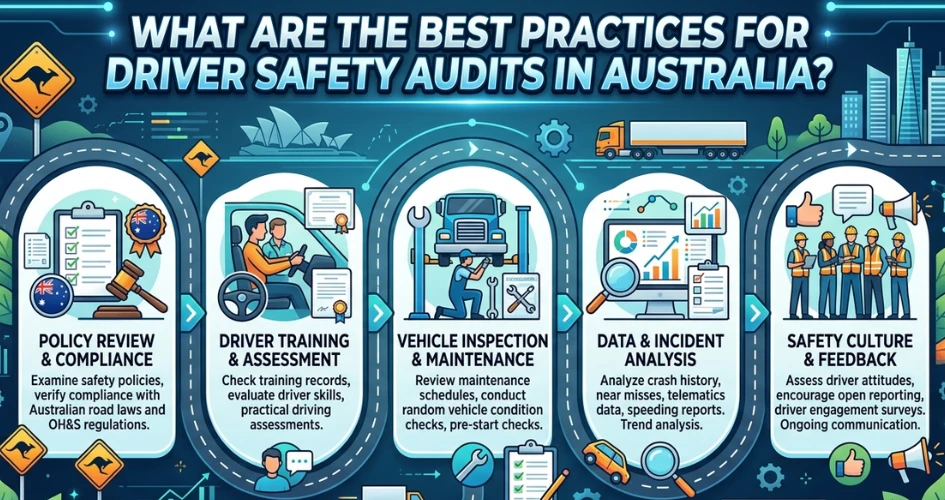
There are several areas worth monitoring. These include vehicle repair expenses, insurance excesses, fuel consumption, maintenance costs, and the number of days vehicles remain unavailable.
Employee feedback is also useful. Drivers can share whether they feel more confident when dealing with road hazards and challenging driving conditions.
For a fair assessment, businesses should compare results over time and consider factors such as fleet size and kilometres travelled. It is also important to remember that training is not the only factor that can influence these results.
Measuring the right things helps organisations make better decisions about future safety investments.
Not sure which figures matter when reviewing your training budget? Discover the key areas to track in the full article: See how to measure training ROI.


























Sign in to leave a comment.