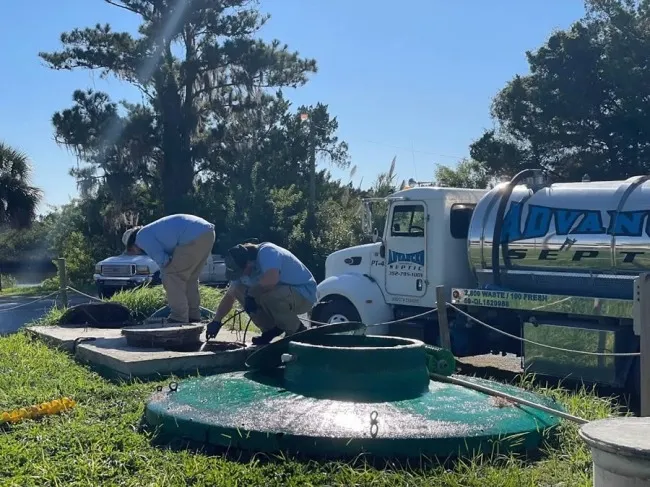

Your septic system works quietly in the background every day, but when something goes wrong, it rarely happens without warning. Small issues often appear long before a complete system failure, giving homeowners the chance to take action before expensive repairs become necessary.
Ignoring these early warning signs can lead to sewage backups, unpleasant odours, slow drains, and even damage to your drain field. Scheduling the best septic pumping in Hernando at the right time is one of the simplest ways to protect your home and avoid unexpected costs.
At Advanced Septic, years of servicing residential septic systems have shown that homeowners who recognise these warning signs early are far less likely to face emergency repairs. Here are eight signs that your septic system may be asking for attention.
1. Slow Drains Throughout the House
A single slow drain may point to a clogged pipe, but when multiple sinks, showers, and toilets begin draining slowly at the same time, the septic tank could be reaching capacity.
As solid waste accumulates, wastewater has less room to flow properly. The result is sluggish drainage throughout the home. Rather than relying on chemical drain cleaners that only treat the symptom, it is worth having the septic system professionally inspected and pumped if needed.
2. Unpleasant Odours Around Your Property
One of the clearest warning signs is the smell of sewage.
If unpleasant odours are noticeable around your septic tank, drain field, or even inside the home, waste gases may be escaping because the tank is full or the system is no longer operating efficiently.
These smells should never be ignored. They often indicate that routine maintenance has been delayed for too long.
3. Toilets That Frequently Back Up
Every homeowner expects an occasional plumbing issue, but repeated toilet backups are different.
If plunging only provides temporary relief and the problem keeps returning, your septic tank may not have enough capacity to handle incoming wastewater. Acting quickly can prevent sewage from backing up into your home.
4. Pooling Water in the Yard
Standing water around the septic tank or drain field is never normal, especially during dry weather.
When wastewater has nowhere else to go, it may rise to the surface, creating wet patches that remain long after rain has disappeared. Besides damaging your lawn, this can expose your family and pets to harmful bacteria.
Professional septic pumping can often resolve the issue before it affects the entire drain field.
Many homeowners focus only on pumping, but the importance of septic cleaning should never be overlooked. Over time, sludge, grease, and solid waste build up inside the tank, reducing its ability to separate wastewater effectively. Regular septic cleaning helps maintain proper system performance, lowers the risk of blockages, supports the health of the drain field, and can significantly extend the life of the entire septic system. Keeping up with scheduled cleaning is a practical investment that helps avoid larger and more expensive problems later.
5. Extra-Green Grass Over the Drain Field
A greener lawn may seem like a good thing, but unusually lush grass directly above your drain field can indicate wastewater leaking into the soil.
The excess nutrients encourage rapid plant growth, signalling that the system may not be processing wastewater correctly.
If one section of your lawn grows much faster than the rest, it deserves further investigation.
6. Gurgling Sounds in Your Plumbing
Strange bubbling or gurgling noises coming from sinks, showers, or toilets often indicate restricted wastewater flow.
These sounds occur because trapped air struggles to move through blocked pipes or an overloaded septic tank.
If the noises continue after basic plumbing checks, the septic system may require professional attention.
7. Sewage Backing Up Into Drains
This is one of the most serious warning signs.
Wastewater coming back through floor drains, bathtubs, showers, or toilets requires immediate action. Besides causing property damage, sewage contains bacteria and contaminants that create health risks for everyone in the home.
Prompt septic pumping and inspection can help prevent further damage and identify any underlying issues.
8. It's Been Years Since Your Last Pumping
Sometimes the biggest warning sign is simply time.
Many homeowners cannot remember when their septic tank was last serviced. Even if no obvious problems have appeared, waiting too long between pump-outs allows sludge levels to rise until normal operation becomes impossible.
Routine maintenance remains the most effective way to prevent unexpected failures. Depending on household size, water usage, and tank capacity, most systems benefit from regular pumping on a scheduled basis.
Why Early Action Saves Money
Small septic issues rarely stay small.
A full tank today can become a blocked drain field tomorrow. Delaying maintenance often leads to repairs that are far more expensive than routine pumping.
Choosing the best septic pumping in Hernando helps remove accumulated waste before it causes lasting damage to your septic system. Preventive maintenance also reduces the likelihood of emergency service calls and extends the lifespan of your entire system.
While many homeowners search online for the cheapest septic pumping in Hernando, the lowest price does not always provide the best long-term value. Proper equipment, experienced technicians, and thorough service help ensure the job is completed correctly, reducing the risk of repeat problems.
Simple Habits That Help Your Septic System Last Longer
Good septic care starts with everyday habits.
- Spread laundry loads throughout the week instead of doing them all in one day.
- Never flush wipes, paper towels, grease, or hygiene products.
- Avoid pouring cooking oils down kitchen drains.
- Keep heavy vehicles away from the drain field.
- Schedule routine inspections and pumping before problems develop.
- Use water efficiently to reduce unnecessary strain on the system.
These simple practices can significantly improve the performance and lifespan of your septic system.
Frequently Asked Questions
How do I know if my septic tank needs pumping?
Common signs include slow drains, sewage odours, standing water near the tank, gurgling plumbing fixtures, and recurring toilet backups. If several of these symptoms appear together, professional inspection is recommended.
How often should a septic tank be pumped?
The ideal schedule depends on household size, water usage, and tank capacity. Most residential systems require pumping every few years to maintain reliable performance.
Can a full septic tank damage the drain field?
Yes. When a septic tank becomes overloaded, excess solids can enter the drain field and clog the soil, leading to costly repairs or even replacement.
Is pumping the same as septic cleaning?
Pumping removes accumulated sludge and floating waste from the tank, while a complete cleaning helps remove additional buildup that can affect overall system performance. Both play an important role in long-term septic health.
Protect Your Home Before Small Problems Become Big Repairs
Your septic system almost always provides warning signs before it fails. Recognising those signs early can help prevent sewage backups, protect your property, and reduce repair costs.
Whether you've noticed slow drains, unpleasant odours, standing water, or simply cannot remember your last service, now is the right time to act.
Advanced Septic provides dependable septic services designed to keep residential systems operating efficiently. Scheduling routine maintenance today can help prevent costly problems tomorrow and keep your septic system working reliably for years to come.


























Sign in to leave a comment.