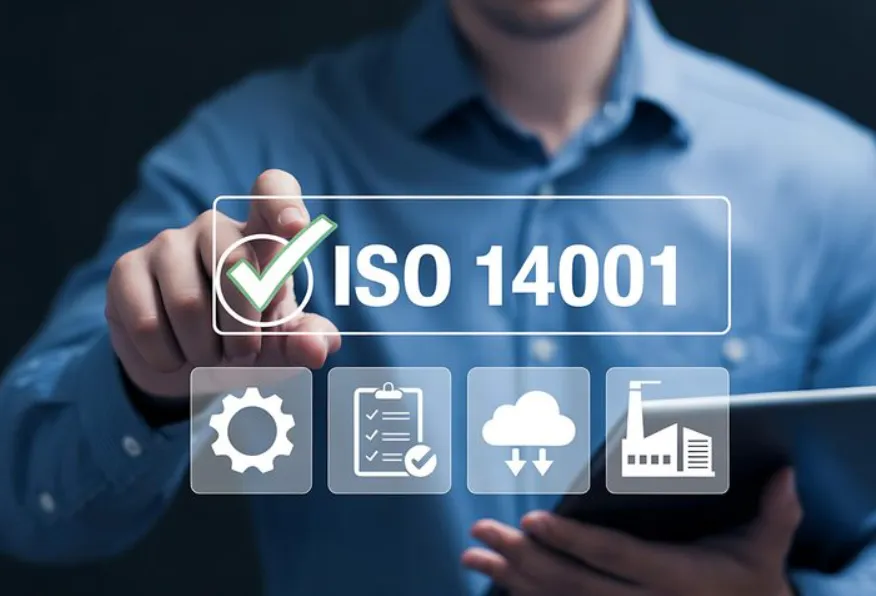

Environmental responsibility has become a core expectation for organizations across industries. Businesses are now under pressure to reduce environmental impact, comply with regulations, and demonstrate sustainable practices in a structured way. One of the most widely adopted frameworks for this purpose is ISO 14001 certification, which provides a systematic approach to environmental management. However, it is not the only environmental standard available. Understanding how ISO 14001 compares with other standards helps organizations choose the right framework for their goals, industry requirements, and compliance needs.
Understanding ISO 14001 and Its Purpose
ISO 14001 is an internationally recognized standard for Environmental Management Systems (EMS). It helps organizations identify, manage, monitor, and improve their environmental performance. The framework is designed to be flexible, allowing businesses of all sizes and sectors to adopt it.
At its core, ISO 14001 focuses on:
- Reducing environmental impact
- Improving resource efficiency
- Ensuring regulatory compliance
- Enhancing environmental awareness within the organization
- Promoting continuous improvement
Unlike rigid compliance-based systems, ISO 14001 is built on a cycle of planning, implementation, review, and improvement. This makes it a dynamic system rather than a one-time certification.
Why Environmental Standards Matter for Businesses
Environmental standards are not just about compliance; they also influence operational efficiency and brand reputation. Companies adopting structured environmental frameworks often experience:
- Lower waste management costs
- Reduced energy consumption
- Better risk management
- Stronger stakeholder trust
- Improved access to global markets
Different environmental standards exist to address varying industry needs. Some are sector-specific, while others focus on product lifecycle or carbon emissions. ISO 14001 stands out because of its universal applicability and system-based approach.
ISO 14001 vs EMAS (Eco-Management and Audit Scheme)
One of the most commonly compared frameworks with ISO 14001 is EMAS, a European Union initiative focused on environmental performance.
Key Differences
1. Geographic Scope
ISO 14001 is globally recognized, while EMAS is primarily used within the European Union.
2. Reporting Requirements
EMAS requires organizations to publish detailed environmental statements verified by external bodies. ISO 14001 does not mandate public reporting.
3. Flexibility
ISO 14001 is more flexible in implementation, making it suitable for diverse industries. EMAS has stricter reporting and performance transparency requirements.
4. Certification Process
ISO 14001 certification is widely available through accredited bodies worldwide, while EMAS registration is more complex and region-specific.
Summary
Organizations looking for global recognition and flexibility often prefer ISO 14001, while EMAS is chosen by companies focusing on transparency within European markets.
ISO 14001 vs ISO 50001 (Energy Management System)
ISO 50001 focuses specifically on energy performance and efficiency, making it different from the broader environmental scope of ISO 14001.
Key Differences
1. Scope of Focus
ISO 14001 covers overall environmental impact, including waste, pollution, and resource use. ISO 50001 focuses only on energy usage.
2. Objectives
ISO 50001 aims to reduce energy consumption and improve energy efficiency. ISO 14001 targets broader environmental sustainability goals.
3. Integration
Both standards can be integrated. Many organizations use ISO 50001 alongside ISO 14001 to strengthen energy management within their environmental system.
Summary
If energy efficiency is the primary concern, ISO 50001 is more targeted. For overall environmental performance, ISO 14001 is more comprehensive.
ISO 14001 vs ISO 9001 (Quality Management System)
ISO 9001 is a quality management standard, not an environmental one, but it is often compared because many organizations implement both together.
Key Differences
1. Core Focus
ISO 9001 focuses on product and service quality. ISO 14001 focuses on environmental responsibility.
2. Objectives
ISO 9001 aims to improve customer satisfaction and operational consistency. ISO 14001 aims to minimize environmental impact.
3. Shared Structure
Both standards follow a similar High-Level Structure (HLS), making integration easier for organizations.
Summary
While ISO 9001 improves quality outcomes, ISO 14001 ensures environmental accountability. Together, they create a balanced management system.
ISO 14001 vs ISO 45001 (Occupational Health & Safety)
ISO 45001 focuses on workplace safety and employee health, whereas ISO 14001 addresses environmental impacts.
Key Differences
1. Focus Area
ISO 45001 deals with employee safety risks. ISO 14001 deals with environmental risks.
2. Stakeholders
ISO 45001 primarily protects employees, while ISO 14001 also considers external environmental stakeholders.
3. Risk Management
Both use risk-based thinking but apply it to different domains.
Summary
These standards are often implemented together to create a comprehensive management system covering people and the environment.
ISO 14001 vs Industry-Specific Environmental Standards
Some industries use specialized environmental standards tailored to their operations. For example:
- Construction environmental management guidelines
- Oil and gas environmental compliance systems
- Manufacturing sector-specific sustainability frameworks
Key Differences
1. Applicability
ISO 14001 is generic and applicable across industries, while sector-specific standards are limited to particular fields.
2. Recognition
ISO 14001 is globally recognized, whereas many industry standards are regional or niche.
3. Flexibility
ISO 14001 allows customization based on organizational needs, making it easier to adapt across sectors.
Summary
Industry-specific standards may offer deeper technical guidance, but ISO 14001 provides broader acceptance and adaptability.
Advantages of ISO 14001 Over Other Standards
ISO 14001 stands out because of several key advantages:
1. Global Recognition
It is accepted worldwide, making it ideal for multinational companies.
2. Flexible Framework
Organizations can tailor it to their size, industry, and environmental impact.
3. Integration Capability
It integrates easily with ISO 9001, ISO 45001, and ISO 50001.
4. Continuous Improvement Model
The Plan-Do-Check-Act cycle ensures ongoing enhancement of environmental performance.
5. Risk-Based Thinking
It encourages proactive identification and mitigation of environmental risks.
Challenges Compared to Other Standards
While ISO 14001 is widely adopted, organizations may face certain challenges:
- Requires consistent documentation and monitoring
- Needs employee training and awareness
- Implementation can take time for large organizations
- Requires regular audits and reviews
However, these challenges are often outweighed by long-term operational and reputational benefits.
Choosing the Right Environmental Standard
Selecting the right environmental framework depends on several factors:
- Industry type and regulatory environment
- Organizational goals and sustainability targets
- Geographic scope of operations
- Level of reporting and transparency required
- Existing management systems in place
For most organizations, ISO 14001 serves as a foundational system that can be expanded with other standards depending on specific needs.
Conclusion
Environmental management standards play a crucial role in helping organizations reduce their ecological footprint and improve operational efficiency. While several frameworks exist, ISO 14001 remains one of the most versatile and widely accepted systems due to its global recognition, flexible structure, and integration capabilities. Comparing it with other standards such as ISO 50001, ISO 9001, ISO 45001, and EMAS highlights its broader applicability and strategic value for businesses across industries.
For organizations aiming to strengthen their environmental responsibility on an international scale, adopting ISO 14001 certification Australia can be a significant step toward structured sustainability and long-term compliance.
FAQs
1. What is ISO 14001 mainly used for?
ISO 14001 is used to create an Environmental Management System that helps organizations reduce environmental impact and improve sustainability practices.
2. How is ISO 14001 different from ISO 9001?
ISO 9001 focuses on quality management, while ISO 14001 focuses on environmental management and sustainability.
3. Can ISO 14001 be integrated with other ISO standards?
Yes, it can be integrated with ISO 9001, ISO 45001, and ISO 50001 due to their shared structure.
4. Is ISO 14001 mandatory for businesses?
No, it is a voluntary standard, but many industries adopt it to improve compliance and environmental performance.
5. How long does ISO 14001 certification take?
The timeline varies depending on company size and readiness, typically ranging from a few months to a year.
























Sign in to leave a comment.