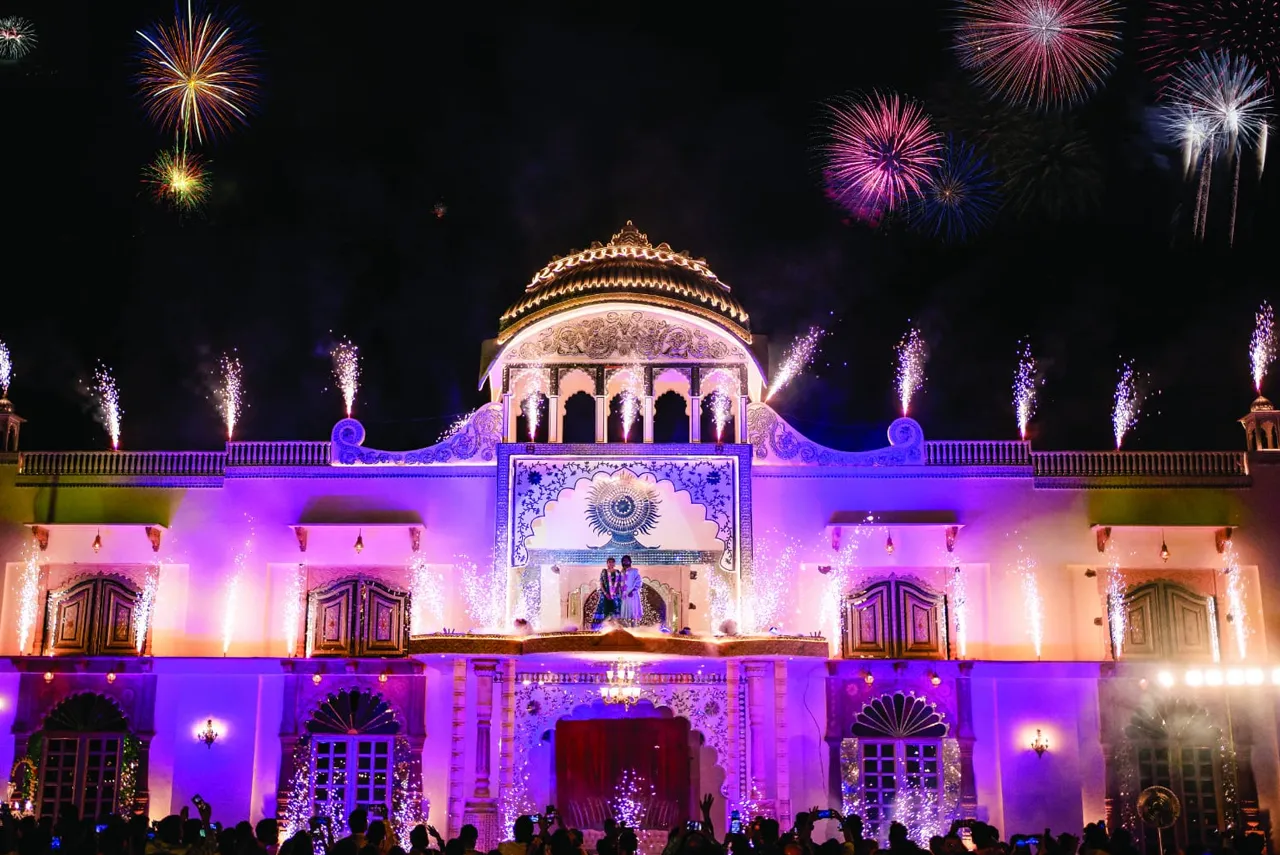

A Jaipur destination wedding can become more meaningful when it is planned around how guests will experience each moment, not only how the venue will look in photographs. A warm welcome, a comfortable pace and small opportunities to connect can help relatives and friends feel included from arrival to farewell. The couple’s story still leads the celebration, but thoughtful hosting gives everyone a way to be part of it.
That idea changes the planning question. Instead of asking only what décor to choose or how many functions to schedule, couples can ask: What should guests remember about being here? Their answers can shape the invitation, the first greeting, the ceremony, the meals and even the time between events.
Jaipur destination wedding planning begins with the guest experience
Guests may travel for several hours, arrive at different times and know different parts of the family. A celebration that considers those realities feels more welcoming. Start by mapping the guest journey: when people are likely to arrive, where they will find essential information, how they will know what to wear and whom to contact if plans change.
The invitation can introduce the mood without turning into a long instruction sheet. Include the dates, venue location, suggested attire and a simple schedule. If events have different dress expectations, explain them clearly. A practical note about footwear for lawns, outdoor ceremonies or uneven surfaces can save guests from discomfort. For relatives travelling from outside Jaipur, useful travel details are often more valuable than another decorative insert.
Choose a point person for guest questions. This might be a family member, planner or hospitality coordinator. Guests should not need to message the couple about every arrival question while the couple is preparing for the ceremony. A small welcome note with the schedule and contact details can make the visit feel organised without feeling formal.
When exploring a Jaipur destination wedding venue, couples can consider more than the appearance of the ceremony space. Ask how guests move between functions, where older relatives can sit, whether there are shaded or indoor alternatives and how meal service will work. The answers help you picture the celebration as a complete experience.
Make the first welcome feel personal
The first few minutes set the tone. A greeting does not need to be elaborate to feel thoughtful. It can be as simple as a familiar face at arrival, a clear sign pointing guests toward the right place, and a welcome that acknowledges the effort they made to join you.
If arrivals are spread across the day, plan a welcome that works at different times. A guest who reaches the venue before the main group should still know where to go and what happens next. Consider a comfortable waiting area, refreshments appropriate to the season and a short message explaining when the next event begins. Avoid leaving guests uncertain about whether they should change, rest or join a gathering.
Personal touches can be modest and useful. A note that says, “We’re glad you made the journey,” can feel more sincere than a collection of items guests may not use. If you include a welcome gift, choose something practical, locally made or connected to your shared story. Explain its meaning briefly; otherwise, it may be received as just another favour.
For guests meeting each other for the first time, a shared welcome moment can help conversations begin naturally. A relaxed gathering with a few introductions, music at a comfortable volume and unhurried refreshments gives people time to settle in. You do not need to force games or speeches. Let the setting and shared occasion do some of the work.
Build a schedule with room to breathe
A full wedding itinerary can look exciting on paper and feel exhausting in person. Guests need time to get ready, travel between spaces, eat, rest and talk. Couples can protect those moments by adding buffers between functions and avoiding a schedule where every hour has a formal obligation.
Think about the difference between a start time and the time guests need to be present. If a ceremony begins at sunset, communicate when guests should arrive and whether refreshments will be available while they wait. If a meal follows, confirm that there is enough time for people to move comfortably. Families with children and older relatives may appreciate a quieter break before an evening function.
Group guests by their needs rather than assuming everyone will follow the same pace. Some will want to join every event; others may need downtime. A good itinerary makes the important moments clear while allowing guests to opt out of smaller activities without feeling that they have missed the wedding. The couple can also identify which functions are essential and where a simpler format would preserve energy.
A useful test is to ask a guest to read the schedule without explaining it. Are the locations clear? Are the timings realistic? Does the guest know what to do between events? If the answer to any of these is no, revise the plan before it reaches everyone.
Give the ceremony a clear emotional centre
The ceremony is often the moment guests most want to understand. Personal meaning does not require a long explanation. A short welcome can help guests follow the rituals, especially when relatives have different cultural backgrounds or have not attended a similar ceremony before. Explain what is happening and why it matters to the couple, using language that feels natural to the family.
Keep sightlines and sound in mind. Guests should be able to see the central moments and hear the officiant or speakers. If the ceremony is outdoors, check how the sound carries and consider the position of seating in relation to the sun. Provide shade or accessible seating where possible. Make the entrance route comfortable for the people who will walk it, including elders and family members who may need support.
The ceremony can also create a moment of participation without placing guests under pressure. A brief blessing, a collective pause or a family reading can bring people together. Choose only the traditions that have meaning for you. When every ritual is included simply because it is expected, the ceremony can lose its focus.
Couples considering a Jaipur wedding celebration can discuss how the ceremony space will work at the actual time of day, what arrangements are available for seating and sound, and how the transition to the next function will happen. These practical details make it easier for guests to stay present.
Use meals to bring people together
Meals are more than schedule items. They give guests a chance to talk, reconnect and share the occasion at a natural pace. Think about who will sit together and whether guests who arrive alone or know only one side of the family will feel comfortable. Seating plans can be helpful, but they should leave room for ease and conversation.
Food choices should account for dietary requirements gathered in advance. Ask guests to share needs through a clear contact or RSVP process, then confirm the information with the catering team. Label dishes where practical, and make sure guests know whom to ask if they are uncertain. Avoid assuming that a single vegetarian option will suit every requirement.
The timing of meals matters too. A late dinner after several events may be difficult for children or older relatives. A longer gap between functions can leave guests hungry or unsure whether refreshments are available. A well-paced meal service lets the wedding feel generous without making every moment revolve around food.
If the celebration includes a regional menu, offer a little context when it helps guests appreciate the choices. A short note or announcement can connect a dish to a family memory or local tradition. Keep it brief and avoid turning dinner into a lecture. The purpose is to invite curiosity.
Make the farewell part of the celebration
Guests remember how they felt at the end as well as how they were welcomed. A clear departure plan helps the last hours feel calm. Share transport details, checkout guidance if relevant and the timing of any final gathering. Guests should know whether they can leave directly after an event or whether the couple expects everyone to join one more moment.
A personal thank-you can be simple: a few words from the couple, a note placed with the final meal or a warm goodbye from close family. There is no need to make every departure ceremonial. The aim is to recognise that guests gave their time and attention to celebrate with you.
For the couple, a guest-centred celebration is not about pleasing everyone at every moment. It is about making the important information easy to find, treating people with care and choosing a pace that leaves room for real connection. Start with those intentions, then discuss the layout, event flow and service arrangements with your planner and venue team. A thoughtfully planned destination wedding in Jaipur can give guests more than a sequence of functions: it can give them the feeling that they were welcomed into the story.
Frequently Asked Questions
What should I consider when planning a destination wedding in Jaipur?
When planning a Jaipur destination wedding, focus on the guest experience rather than just the aesthetics. Consider how guests will arrive, what information they need, and how to create opportunities for them to connect throughout the celebration. Mapping out the guest journey can help ensure a warm and welcoming atmosphere.
How can I make my guests feel welcomed at my wedding?
To make guests feel welcomed, start with a personal greeting upon their arrival, and provide clear information about where to go and what to expect. Consider creating comfortable waiting areas with refreshments and a welcoming note that expresses gratitude for their presence. Small personal touches can go a long way in making guests feel appreciated.
What is the best way to organize the wedding schedule for guests?
When organizing the wedding schedule, include buffers between events to allow guests time to relax, travel comfortably, and socialize. Ensure that the start times are clear and communicate when guests should arrive. A well-paced itinerary helps maintain energy levels and allows guests to opt out of less important activities without feeling guilty.
How can I ensure my ceremony is engaging for all guests?
To engage all guests during the ceremony, provide a brief explanation of what is happening and its significance to the couple. Consider the seating arrangements for visibility and sound, especially for outdoor ceremonies. Including moments for collective participation, like a family reading, can also enhance the experience without putting pressure on guests.
What are some tips for meal planning at a destination wedding?
Meal planning should consider dietary requirements by gathering information from guests ahead of time. Create a comfortable seating arrangement to encourage conversation and ensure the timing of meals aligns with guests' energy levels. Providing context for regional dishes can enhance appreciation without overwhelming guests with information.
How can I effectively bid farewell to my wedding guests?
A thoughtful farewell can leave a lasting impression on guests. Share clear departure plans, such as transport details and timing for any final gatherings, to maintain a calm atmosphere. A simple thank-you from the couple or a note with the final meal can express gratitude without requiring a formal send-off.
What role does guest experience play in wedding planning?
Focusing on guest experience is essential in wedding planning as it creates a sense of inclusion and connection. By prioritizing comfort, clear communication, and thoughtful hosting, couples can ensure that their guests feel valued and engaged throughout the celebration, enhancing the overall atmosphere of joy and togetherness.






















Sign in to leave a comment.