
Planning a trip through Rajasthan requires balancing royal grandeur with soulful tradition. A road excursion from Jaipur to Pushkar covers roughly 145 kilometers, taking around 2.5 to 3 hours along National Highway 48. While the capital charms travelers with rose-pink stone architecture, Pushkar invites visitors into a calmer realm of sacred waters, heritage temples, and rustic desert hills. Selecting an experienced tour operator in Rajasthan ensures smooth logistics, verified routes, and comfortable private transit so you can focus entirely on soaking in the state's vibrant character.
Starting Your Journey: Jaipur Heritage Highlights
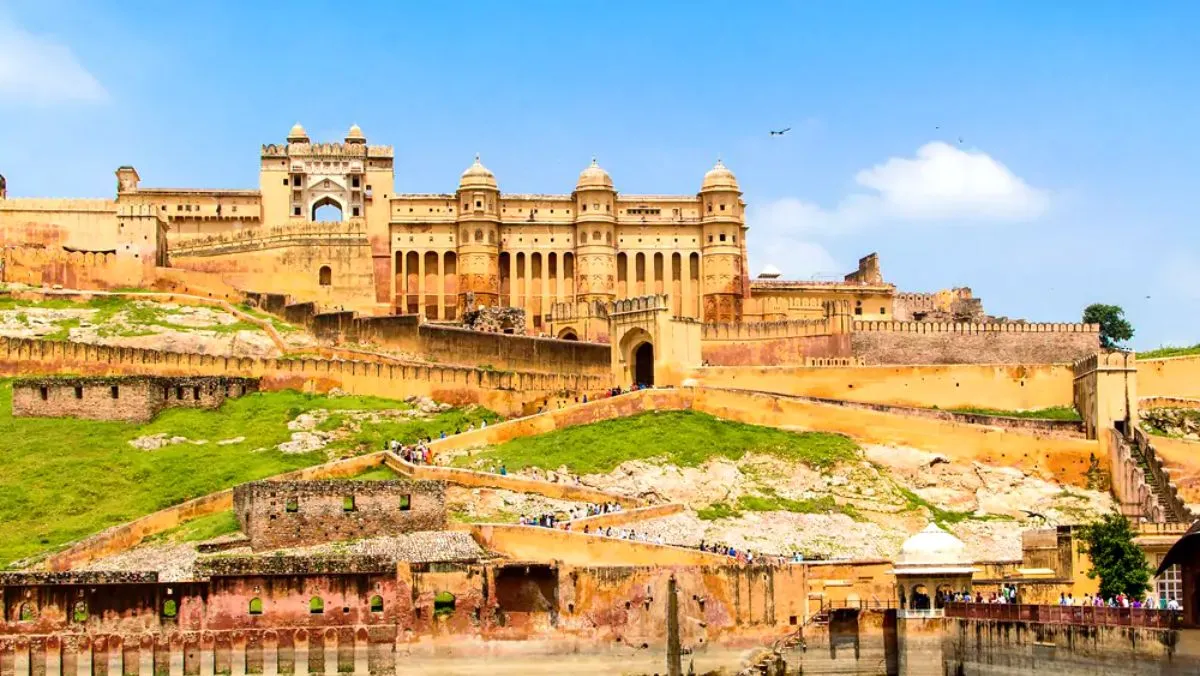
Before setting out across the rural stretches of the Aravallis, exploring the capital gives deep historical context to the region. Those on a tight schedule often begin by taking a curated Jaipur full day tour to explore landmarks like the Amber Fort, City Palace, Hawa Mahal, and Jantar Mantar. Experiencing these grand monuments early in the morning allows you to appreciate Rajput craftsmanship, royal residential suites, and astronomical ingenuity before transitioning toward the spiritual trails of the countryside.
Road Route and Recommended En Route Stops
The highway linking Jaipur and Pushkar passes through Kishangarh and Ajmer. A well-planned drive lets you incorporate scenic short breaks:
- Kishangarh Marble Dumping Yard: Known for vast white grounds resembling a snow field, this location offers a striking visual contrast against the surrounding desert brush.
- Ajmer Sharif Dargah: Situated just 15 kilometers before Pushkar, this revered Sufi shrine of Khwaja Moinuddin Chishti attracts pilgrims from all walks of life seeking peace and blessings.
- Ana Sagar Lake: An artificial lake dating back to the 12th century, featuring elegant white marble pavilions built by Mughal Emperor Shah Jahan.
For travelers who want to cover these architectural wonders and spiritual sanctuaries within a unified plan, choosing a structured Jaipur city tour with Pushkar provides coordinated vehicle arrangements, licensed guides, and flexible stopovers.
Essential Places to Visit in Pushkar
Pushkar retains a distinct timelessness. Surrounded by rugged hills on three sides and desert sands on the fourth, the town revolves around venerated shrines and centuries-old rituals:
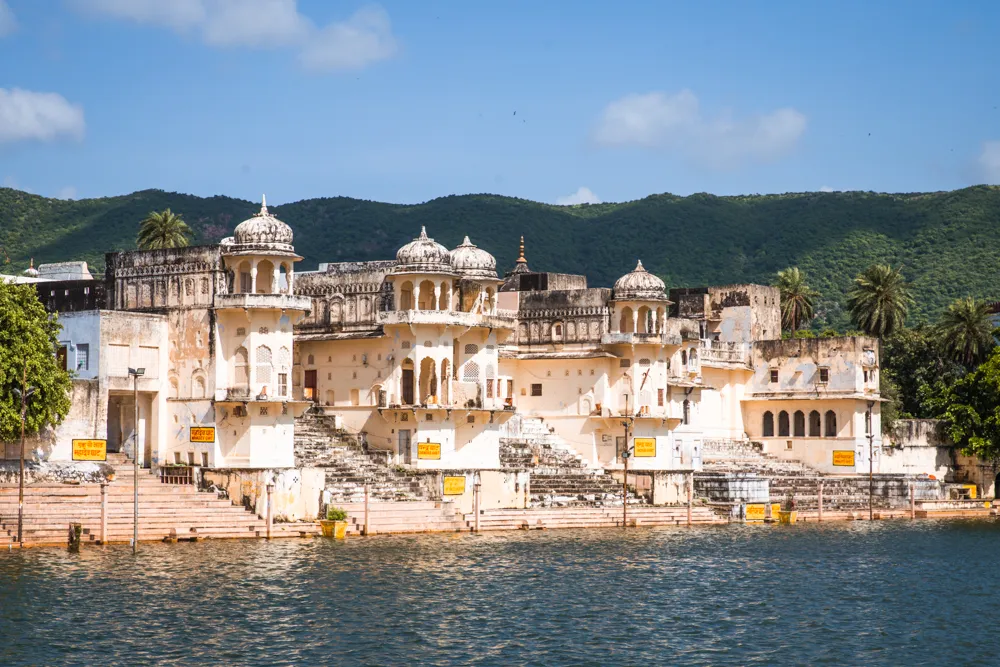
- Pushkar Lake and the Ghats: The emotional and spiritual heart of the settlement. Legend holds that the lake formed where Lord Brahma dropped a lotus petal. Fringed by 52 bathing ghats, it remains a site of quiet contemplation, evening prayer lamps, and traditional chants.
- Jagatpita Brahma Temple: Pushkar houses one of the very few surviving temples dedicated to Lord Brahma anywhere in the world. Built with marble and stone slabs and crowned with a red spire, the sanctum holds a four-faced idol of the creator deity.
- Savitri Devi Temple: Perched high on the Ratnagiri hill, this shrine provides the best vantage point across the entire town. Visitors can ascend the stone stairs on foot or ride the passenger ropeway to capture panoramic vistas, especially as the sun sinks beneath the horizon.
- Old Rangji Temple: Highlighting an architectural fusion of South Indian Gopuram design and traditional Rajput craftsmanship, this sanctuary offers an intriguing aesthetic departure from standard North Indian temple profiles.
- Varaha Temple: Dedicated to the boar incarnation of Lord Vishnu, this represents one of Pushkar's oldest surviving religious foundations, originally constructed in the 12th century.
Local Sights and Cultural Experiences
Beyond visiting renowned monuments, exploring Pushkar's local lifestyle gives deep insight into rural Rajasthani traditions:
- Strolling the Pushkar Bazaar: The narrow bazaar lanes running behind the main ghats burst with handcrafted leather items, silver jewellery, hand-dyed bandhani textiles, and rose-water products.
- Tasting Local Delicacies: Food traditions here are strictly vegetarian. Do not miss sampling freshly fried malpuas soaked in fragrant saffron syrup near Halwai Gali, paired with thick, creamy lassi served in traditional clay cups.
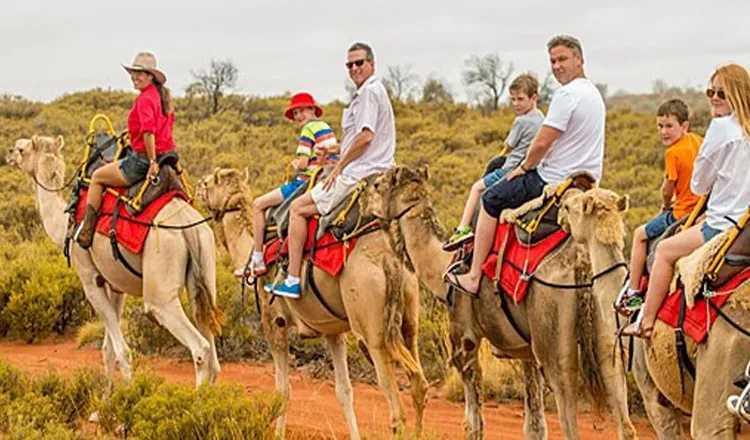
- Desert Camel Rides: Venture slightly outward toward the outskirts during late afternoon. Local camel handlers provide gentle rides across sandy dunes, offering a calm rural contrast to the bustling bazaar center.
Practical Travel Tips for Travelers
An enjoyable excursion depends on small local considerations. Pushkar is a quiet pilgrimage town with strict cultural customs. Shoes must be removed well before stepping onto any stone steps along the ghats. Dress modestly when visiting shrines, covering shoulders and knees. Keep some cash on hand, as several traditional bazaar artisans and local dhabas operate primarily offline. Traveling between October and March ensures pleasant weather suitable for walking along the lake shores and hillside trails. With thoughtful timing, the road journey from the bustling streets of Jaipur to the tranquil shores of Pushkar reveals the rich heritage and spiritual depth that make Rajasthan truly unforgettable.





















Sign in to leave a comment.